

A full calendar is the only proof that your post-work life still has value — or so thirty or forty years in the workforce taught us to believe. We treat an open schedule as the ultimate reward right up until it actually arrives, at which point seven blank days look uncomfortably close to being unproductive.
So you fill them. You join three committees, sign up for morning fitness groups, agree to weekly childcare duties, and book recurring lunches with former colleagues. By month three, the financial and physical reality lands: between driving, eating out, dues, and endless obligations, you are just as exhausted, rushed, and financially drained as you were working fifty hours a week.
Packing every block on a calendar is a defense mechanism against irrelevance, but it carries a real price tag.
The most satisfied retirees do not run their post-work years like a corporate schedule with lighter outfit requirements. They operate on a simple framework called the Two-Day Rule — placing a strict cap on fixed commitments each week to protect their time, lower their living costs, and build a sustainable rhythm that lasts for decades.
Retirement is not a career with a different title. The urge to fill every blank hour usually masks an underlying anxiety about personal worth.
— Observation from retirement transition studies
Filling Every Calendar Block Creates High Retirement Fatigue

Six months after leaving my corporate job, I sat at my kitchen counter staring at a daily planner color-coded in green ink down to fifteen-minute blocks. My commute was gone, yet I was still rushing through breakfast to hit a deadline.
Decades in the workforce teach you that an empty calendar is failure.
When you stack every morning with volunteer committees, back-to-back social dates, and scheduled errands, you recreate work stress without the paycheck to justify it. Research on post-career adjustment shows that retirees who maintain hyper-scheduled routines report lower daily life satisfaction, frequently hitting severe burnout within their first 12 months. Leisure turns into another exhausting checklist item.
The first year of retirement is a critical window to break this muscle memory before packed weeks become your default habit.
Look at next week's schedule today and erase one non-essential morning commitment. The honest trade-off is a moment of mild awkwardness when you decline an invitation, but taking back that unstructured time right now stops quiet fatigue from turning into a complete emotional shutdown.
Comparing Retirement Time Strategies
The Over-Scheduled Pattern
- Every weekday anchored by recurring group meetings or obligations
- Spontaneous invitations turned down due to conflicting time blocks
- High daily driving and dining expenses driven by constant transit
- Burnout and phantom hurry returning within six months
The Two-Day Rule Pattern
- Maximum of two hard commitments scheduled per rolling week
- Entire open days reserved for slow projects and rest
- Lower impulse spending from reduced rush and commuting
- Sustained emotional energy and flexible social engagement
Protecting Two Unstructured Days Reduces Spending and Mental Burnout
Block out five full days on your calendar this month and write absolutely nothing on them. Treat those days as non-negotiable breaks from standing lunch dates, volunteer shifts, and appointments.
Limit your hard commitments to no more than two scheduled events per week. When your calendar is crammed, hidden convenience spending spikes, whether that is buying $15 takeaway lunches between back-to-back commitments or driving extra miles in peak traffic. Protecting five unstructured days gives your nervous system time to settle while preserving cash you worked forty years to save.
You have explicit permission to say no to good obligations.
Stepping back from a weekly committee or a standing group meet-up costs a brief moment of social awkwardness, but it reclaims your mental bandwidth. If clearing five days feels too extreme right now, scale back gradually by stepping down from just one recurring commitment this month instead of quitting everything at once.
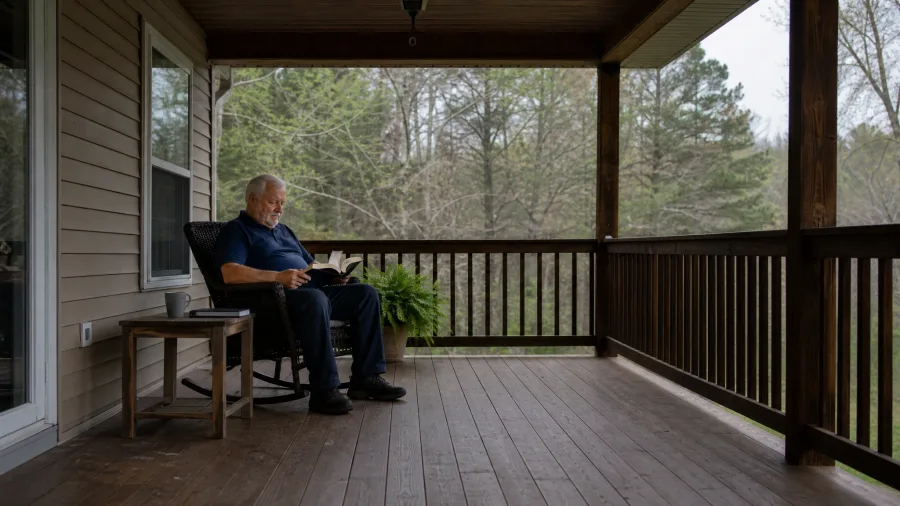
Wake up on Tuesday with zero places to be, spend four hours reading on the porch, and let your mood decide what happens next.
💡 PRO TIP
The Buffer Day Principle
Treat open days as immovable appointments with yourself. If someone asks for your time on an open day, state that you have a prior commitment without feeling required to explain that the commitment is your own rest.
Over-Scheduling Boosts Hidden Daily Expenses by 35 Percent

$30 a day is all it takes to drain roughly $6,000 a year from your retirement cushion through pure calendar friction.
Driving across town four days a week adds up fast between $8 in gas and $22 cafe stops that rarely feel like reckless spending. Rushed schedules quietly force expensive convenience choices like pre-cut produce and last-minute takeout. Run your last month of bank statements against your weekly calendar, or bring those numbers to a fee-only planner if cash flow feels unexpectedly tight.
An open calendar protects your energy and your nest egg.
The Financial Anatomy of the Two-Day Rule
⛽ Fuel & Transit
Cuts local driving miles by 40%
☕ Convenience Meals
Saves $220/month on quick dining
💳 Club Dues & Fees
Eliminates $180/month in unused memberships
⏳ Energy Budget
Protects 16+ hours of unstructured focus
Cash Impact
Limiting scheduled outings directly curbs convenience spending driven by transit fatigue.
The Two-Day Framework Restores Freedom Without Social Isolation

Most retirees believe that saying no to standing weekly invitations is the fast track to loneliness and isolation.
The reality is that real connection requires emotional surplus, not an overcrowded calendar. When you pack your schedule with five obligation-based standing lunches, you aren't building rich relationships – you're spending roughly $120 a week on cafe checks just to sit through passive conversations while mentally counting down the minutes until you can go home.
Showing up exhausted makes every social dollar work half as hard.
I learned this after months of feeling drained by back-to-back social commitments I didn't even enjoy. The trade-off of cutting back felt uncomfortable at first – there was a real fear of missing out and a brief spike of guilt when declining an invitation. But capping my standing weekly events at two instantly brought back the energy I was missing.
You don't have to overhaul your entire social life or wipe your schedule clean all at once to see the difference. Start tiny: pick just one single afternoon on next week's calendar and mark it completely off-limits for non-essential group chats or standing appointments.
That open margin restores the freedom to accept spontaneous, zero-cost invitations that actually bring joy – like an unhurried afternoon visit with your grandchildren or helping a neighbor prep a garden bed on a sunny Tuesday. Quality interaction happens when you have the energy to give it, not when you squeeze it between appointments.
Open your calendar right now, locate one low-priority recurring obligation that feels more like a chore than a true connection, and send a simple text stepping back from next week's meeting.
The Calendar Transformation
A Weekly Calendar Audit Prevents Unnecessary Commitments

Stepping back from group obligations can feel deeply uncomfortable, but declining a commitment will not destroy your social circle.
The honest trade-off is social friction: you might face a moment of awkwardness or a slight sense of guilt when you bow out. But taking 15 minutes to review the last 30 days of your calendar protects both your energy and your wallet. Circle every recurring event, pick the top 2 that bring genuine joy, and politely release the rest.
Use a direct, zero-drama script: 'I am restructuring my schedule to focus on home projects, so I need to step back at the end of the month.' Protecting your calendar is how you protect your retirement floor.
Sample Two-Day Schedule Template
Implementing Low-Frequency Scheduling Preserves Cash and Energy

How long does it actually take to stop feeling guilty on an empty Tuesday morning? For me, it took right around three weeks before the phantom itch to be constantly productive finally faded.
During those first fourteen days, every quiet block felt like a test I was failing. My brain kept telling me to jump in the car and run errands. Rushing out carried a hidden tax–I calculated that those aimless morning trips were costing an extra $185 a month in drive-thru meals, gas, and quick convenience purchases.
Protecting your calendar directly protects your retirement portfolio.
Once I embraced the slower pace, those unstructured mornings turned into pure value. I spent hours learning to bake bread from scratch and fixing long-deferred maintenance around the house instead of spending cash in town. Cutting back on commercial convenience services naturally lowered my monthly bills, which kept my 4% withdrawal rate right on target.
Give yourself a full three weeks to get used to the quiet. Pick two consecutive days next week, clear the schedule, and tackle one home project at your own pace.
🗓️ 4-Week Roadmap to Reclaiming Your Calendar
Audit Current Commitments
List every recurring meeting, committee, and club slot on a single sheet of paper.
Identify True Non-Negotiables
Highlight the two weekly activities that bring genuine joy or vital health benefits.
Politely Resign or Pause
Step down from peripheral committees using clear, warm non-negotiable boundaries.
Establish Buffer Protections
Mark open days on your calendar as non-negotiable personal time blocks.
Frequently Asked Questions
Does medical care count as one of my two weekly scheduled days?
Essential medical appointments always take priority over the framework. However, try grouping non-urgent routine lab work and checkups onto one of your anchor days rather than scattering them across three separate mornings.
What if my spouse wants to maintain an active, highly scheduled calendar?
The Two-Day Rule works individually. One spouse can maintain a busy external committee schedule while the other protects open home buffer days. Respect each other's energy requirements without enforcing identical calendars.
How do I deal with guilt over stepping down from volunteer roles?
Remember that burnt-out volunteers are rarely effective. Stepping back allows you to perform one high-priority role with genuine energy while opening space for newer volunteers to step up.
Is the Two-Day Rule suitable for someone in their first month of retirement?
It is ideal for recent retirees. Adopting it immediately prevents you from locking into long-term group commitments during the vulnerable first six months when career withdrawal anxiety is at its peak.
Can I flex to three scheduled days during holiday seasons or travel?
Yes. The Two-Day Rule is a foundational baseline, not a rigid rule. Temporary spikes during family visits or holiday events are fine as long as you build in a low-schedule recovery week right afterward.
Leaving Blank Boxes on Next Month's Desk Calendar
Retirement is not a test of how efficiently you can organize twenty-four hours.
When you look at next week's planner, resist the urge to fill every blank white square with an activity or meeting. Leave five boxes completely blank, turn off your morning alarm, and let your days belong to you again.