

Stepping away from decades of full-time work sounds peaceful until you realize you are suddenly sharing a kitchen table twenty-four hours a day. The financial transition is real, but the relational shift often catches people off guard.
You do not need an expensive travel budget or a second home to build a satisfying routine together. Here is how to find low-cost shared interests that actually stick.
Quick Tips Before You Start
Set a Trial Budget
Cap any new hobby equipment at fifty dollars for the first three months.
Protect Solo Time
Shared retirement does not mean joined at the hip all day.
Expect to Pivot
If an activity feels like a chore by week three, drop it.
1. Community Garden Plot Partnership

About 64 percent of municipal community gardens report a surge in older adult participation over the last five years, according to the American Community Gardening Association.
Renting a plot usually costs between thirty and seventy dollars annually, making it one of the most affordable ways to get outside together without eating into a fixed retirement income.
The real mechanism here is cost avoidance masked as a hobby, trading expensive gym memberships or golf fees for dirt under your fingernails and fresh produce that trims your weekly grocery bill by twenty bucks.
My partner and I tried to plant too much squash our first season and ended up drowning in zucchini, so start with just three things you actually like to eat.
Check your city parks department website this week to see if waitlists are open for the upcoming season.
💡 PRO TIP
Split the Plot Tasks
Assign one person to weeding and watering, and the other to planting and harvesting to avoid stepping on each other's toes.
2. Library Book Club for Two

Starting a two-person book club with your partner at your local library costs zero dollars and requires zero financial risk to begin.
Many households burn through extra cash every single month on media subscriptions and impulse purchases just to fill the quiet evening hours. Setting aside forty minutes every evening to read physical books side by side on the sofa quietly transforms how you spend your time together without adding a single line to your monthly budget spreadsheet.
You skip buying new hardcover releases entirely, keeping your discretionary entertainment costs at precisely zero while actually utilizing the public services your local taxes already fund every year.
Discuss just one chapter over Saturday morning coffee to keep the pressure entirely off and make the habit feel like a weekend ritual rather than an obligation. Even twenty minutes of quiet shared reading breaks the mindless digital scrolling loop and gives your relationship a fresh conversational anchor.
Walk down to the library together this week and check out your very first shared paperback to get started.
Retirement Budget Milestones
3. Local History Walking Tours
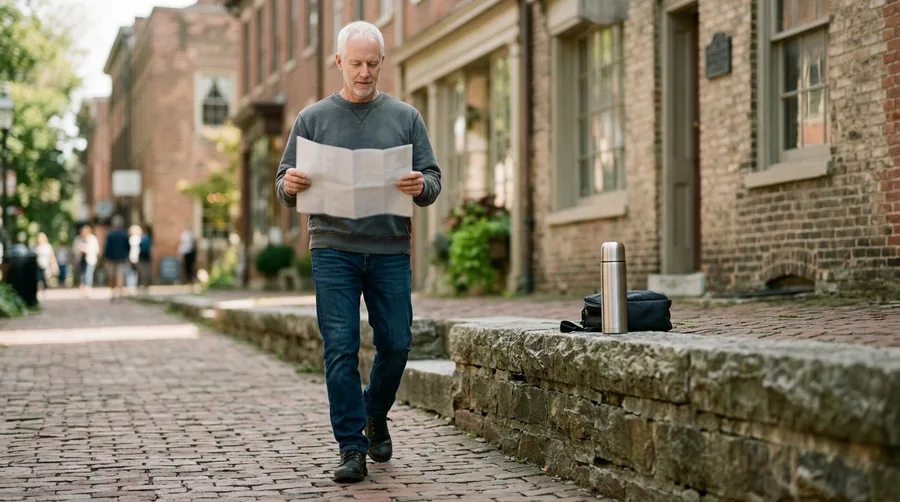
People often assume exploring requires buying gas and driving out of town, but walking your own county history is entirely free.
The myth is that you need historical society membership fees to learn about your region, when free architectural walking maps are available on almost every city government portal.
We spent $0 on our local outings last month while covering over 12 miles of historic district sidewalks we usually just drive right past.
The mechanism here is simple behavioral replacement: swapping a paid weekend outing for a zero-cost localized route preserves gas money while building a consistent weekly habit.
Download a regional trail map, pack a thermos of coffee from home, and commit to walking one new neighborhood loop every Tuesday morning.
Allocate roughly 90 minutes per session so you actually have time to read the plaques and notice the old cornerstone dates instead of rushing through.
The trade-off is weather dependency and slower pacing, which can feel annoying if you just want to get your steps in fast, but it completely changes how connected you feel to your zipcode.
This week: pull up your municipal planning website, find one self-guided walking pdf, and save it to your phone before Sunday night.
Walking Tour Setup — At a Glance
👟 Footwear
Broken-in walking shoes
🗺️ Route source
Free municipal PDF map
💰 Cost per trip
Zero dollars
Golden Rule
Never turn local exploration into an expensive museum ticket day.
4. Beginner Cooking Challenge Nights

When we cut our grocery budget down by $150 a month, cooking together stopped being a chore and became our primary weekend entertainment instead of eating out.
We picked one staple ingredient each week like dried lentils or whole chickens and tested a new technique, which kept our food costs low while teaching us how to actually use basic bulk items without getting bored.
This week, pick one expensive restaurant meal you plan to skip and channel that exact $30 into a single ambitious grocery experiment with your partner.
Hobby Spending Balance
Worth Doing
- Using library resources
- Buying basic starter supplies
- Protecting solo downtime
- Trying free community events
Skip This
- Joining expensive clubs
- Buying pro gear immediately
- Forcing joint activities
- Ignoring monthly cost caps
5. At-Home Watercolor Painting

You stare at a blank sheet of paper and feel that sudden, quiet worry that you are just too old to start something new without being immediately good at it.
It is completely fine to scale back your expectations when starting a creative hobby later in life instead of demanding gallery-ready work on your very first try. The mechanism here is low-stakes play, which tricks your brain out of perfectionism and lets you actually decompress.
Grab a basic twelve-pan student watercolor set for twelve dollars and a pad of heavy paper. Open the box tonight and make a deliberate mess on purpose.
⚠️ COMMON MISTAKE
Avoid Pro Supply Traps
Do not buy professional-grade cotton paper or sable brushes on day one; student supplies are plenty for learning.
6. Geocaching Treasure Hunts

Wondering how to get outside without spending money on gear?
The most common mistake people make is buying expensive handheld GPS units or premium membership tiers right out of the gate, assuming you need specialized tactical equipment to find anything.
You do not need a single piece of paid equipment.
Download the free version of the Geocaching app, grab your phone, and hunt for hidden waterproof containers in public parks using GPS coordinates.
The fix for boring afternoon walks is turning a standard stroll into a scavenger hunt that costs nothing beyond what you are already paying for your phone data.
This week: open the app, find one easy hide within two miles of your house, and spend twenty minutes looking for it together.
Quick Hobby Launch Steps
7. Board Game Nights
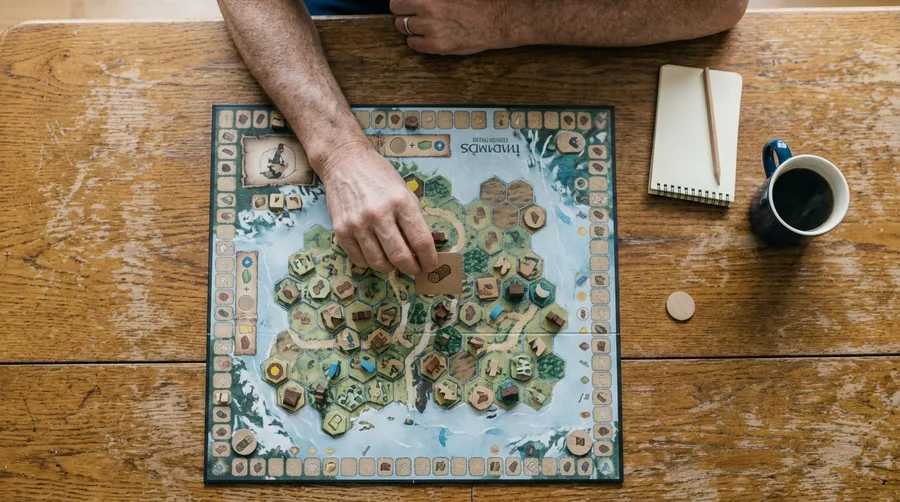
Set up a board game night this Friday instead of heading out to spend $60 on dinner and tickets.
The financial mechanism here is dead simple cash-flow redirection, turning a routine weekend entertainment bill into a zero-cost asset you can reuse indefinitely.
If you buy one $35 cooperative game a month for the next three months, you will spend less than a single evening out while building a permanent rotation that cuts your monthly discretionary entertainment spending by roughly $150.
Retirement Routine Roadmap
8. Mastering Chess or Strategy Games

There is a quiet fear that creeps in when you both retire, whispering that your minds are about to slow down and the days will blur together in a haze of daytime television.
You might assume competitive games cause tension, but learning a complex abstract game together builds teamwork.
The belief that your brain slows down after retirement is entirely false; learning new rule sets preserves cognitive sharpness.
When you sit across the board from each other, the rest of the world and its financial anxieties simply fall away.
It gives your week a reliable anchor without requiring a cent of new overhead.
Grab a wooden chess set from a thrift store for five dollars, read a beginner opening guide together online, and play three uninterrupted games every Sunday evening after dinner.
What I believe now is that mental exercise costs next to nothing, yet it pays out dividends in laughter and focus that money simply cannot buy.
9. Library Seed Saving Exchanges
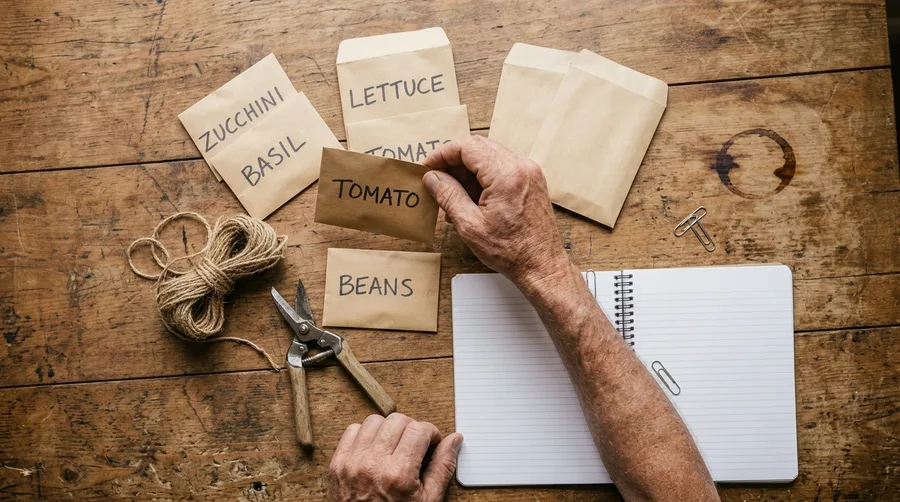
Most people assume starting a garden requires buying expensive packets of hybrid seeds every single spring.
You can bypass that entire cost by tapping into public library seed saving exchanges instead.
Collect heirloom seeds from your best vegetables at the end of the season, dry them on a paper towel for a week, and bring them down to exchange for twenty or thirty new varieties for free.
This simple habit cuts your annual planting budget down to zero while preserving genuinely local strains of produce.
10. Podcast Listening and Discussion

Plug in a wireless splitter or share a single bluetooth earbud while folding laundry or walking the neighborhood together.
Choose an investigative history or science series from public radio, listen to one thirty-minute episode daily, and pause to debate the findings over lunch.
Shared listening creates low-cost mental stimulation without spending money on entertainment venues, turning routine household chores into an engaged routine.
Take four minutes today to subscribe to your first joint podcast queue and download three episodes before your morning walk.
11. Thrift Store Furniture Restoration
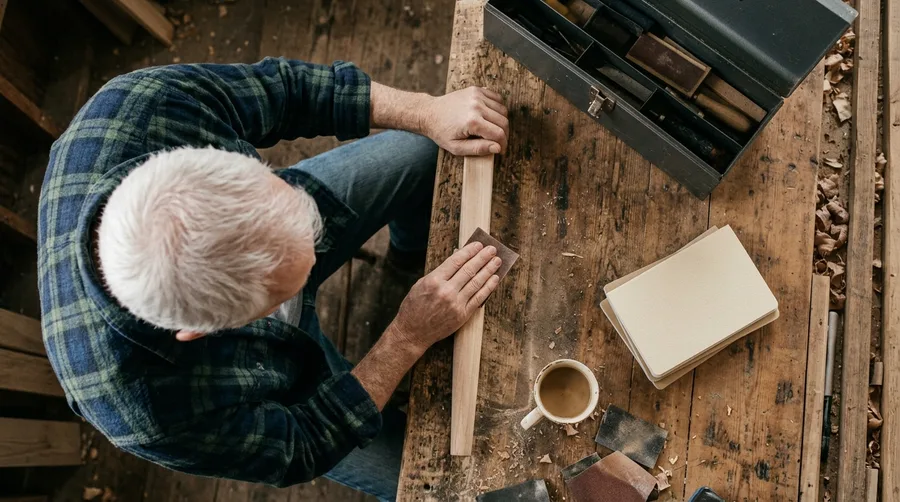
Buying a beat-up solid wood piece at a secondhand shop and sanding it down yourself is one of the most practical ways to furnish a home on a tight budget.
The trade-off is the sanding dust in your hair and the chemical smell of stripping agents lingering in the garage for days. It is tedious, messy physical labor.
It is still worth doing because turning a ten-dollar pine side table into a sturdy piece saves hundreds of dollars compared to buying new laminate furniture. Pick up a sheet of sandpaper this weekend and look for solid wood frames only.
12. Bird Watching and Journaling
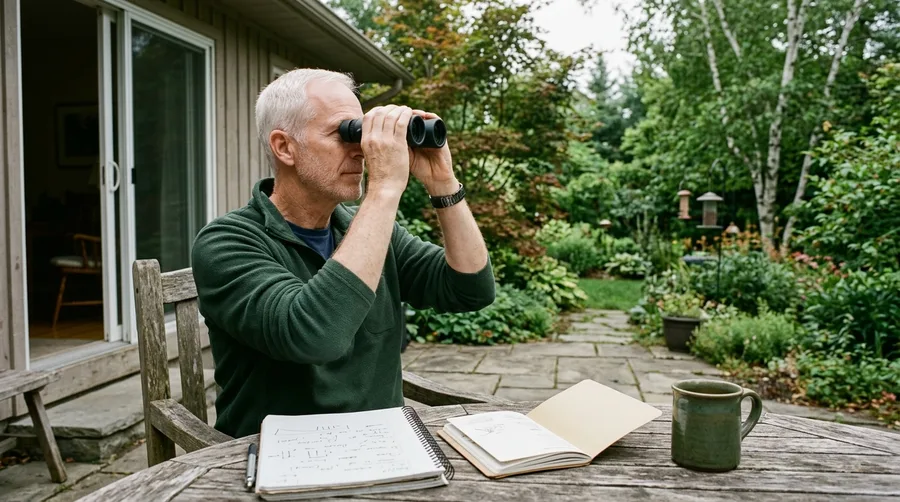
Can you actually pick up a meaningful hobby with your partner without dropping a month of grocery money on specialized gear?
How do you start bird watching without buying expensive telephoto camera lenses that cost as much as a car repair? Skip the retail photography traps entirely. Buy a reliable pair of eight-by-forty-two binoculars for seventy dollars and a simple pocket field guide tailored to your specific state.
Spend thirty minutes every Saturday morning sitting quietly on your back porch or a local park bench, logging local species in a shared notebook together while drinking your morning coffee. The mechanism is pure observation, which costs nothing once you have the basic glass, turning an ordinary morning into a shared ritual.
If your discretionary category is completely tapped out this month, talk over your actual numbers with your partner before ordering anything, or check if your county library already stocks field guides you can borrow for zero dollars instead of buying new.
A shared routine beats expensive equipment every time.
13. Amateur Baking Bread from Scratch
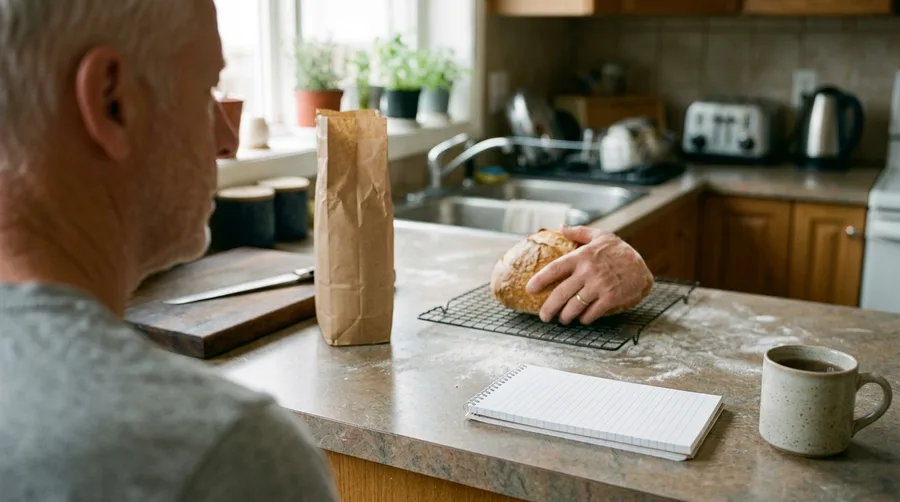
It is frustrating to look at the end-of-month grocery bill and realize you spent twenty-four dollars on a few specialty artisan loaves that disappeared in two days.
Review your weekly grocery spending at the end of each month and look at how much you routinely drop on gourmet bread. You are not checking this to punish yourself for liking good food, but to see where your money quietly slips away. Shifting that habit starts small when you buy a five-pound bag of unbleached bread flour for six dollars and a simple packet of active dry yeast.
Bake one round sourdough or artisan boule every Saturday morning together instead of adding bakery items to the cart. The mechanism is simple substitution, replacing a high-margin convenience item with a cheap staple that tastes better anyway. It takes a little patience, but it anchors your weekend routine.
Check the numbers again after thirty days to see the savings pile up. The trade-off is spending an hour in the kitchen, but your grocery total will thank you.
14. Documenting Family Oral Histories

Fifteen minutes is all it takes to set up a digital audio file that captures family history for zero dollars.
Most genealogy projects stall out because people think they need to spend $150 or more on subscription software packages and professional archive binders before they can begin.
You do not need any of that equipment when you already own a smartphone with a built-in voice recorder app.
treating memory preservation as a casual audio project bypasses the intimidation factor entirely, letting you capture stories during normal weekend gatherings without making older relatives feel like they are sitting through a formal interrogation.
Set your smartphone voice recorder app to active during Sunday dinner and let it capture the natural flow of conversation.
Ask older relatives structured questions about their childhood kitchen routines, first jobs, and family recipes.
Transcribe those audio files into a free digital document whenever you have downtime during the week.
End-of-month digital archiving preserves family history without buying expensive genealogy software packages.
Take fifteen minutes this afternoon to write down five interview prompts on an index card so you are ready for your next family visit.
15. Public Transit City Exploring

It is completely fine to scale back your travel ambitions when retirement budgets tighten.
Buy a day pass for your regional bus or light rail system for under ten dollars, ride to the end of the line, and find a local diner for lunch.
Frequently Asked Questions
How much should we budget for new retirement hobbies?
Keep initial spending under fifty dollars a month until you know the routine will stick. Avoid buying professional-grade equipment on day one.
What if we have completely different interests?
Shared retirement does not mean doing everything together. Pick one weekly activity to share and keep your own independent hobbies.
Are there good free hobbies for older couples?
Yes, local history walking tours, library book clubs, geocaching, and public transit exploring cost almost nothing to maintain.
How do we avoid getting bored during retirement transitions?
Structure your week with a mix of domestic projects, outdoor exploration, and protected solo time so days do not blur together.
Your Next Step This Week
You do not need to overhaul your entire schedule by Tuesday morning. Pick one small idea from this list, agree on a fifty-dollar spending cap, and try it out for a fortnight.
The goal is not perfection; it is finding a rhythm that gives you both something to look forward to without straining your budget.