

When I retired at age 62 after a thirty-year career in corporate management, I expected to feel the effortless relief that everyone else seemed to enjoy on their travel blogs.
Instead, the silence in my suburban Ohio home felt heavy, and the sudden loss of my daily desk left me wrestling with deep restlessness and financial anxiety.
I spent two frustrating years doing nothing before I finally tested twelve practical lifestyle and financial fixes over the following year to reclaim control.
You do not have to fix everything today, and these adjustments will help you restore daily structure and find renewed purpose without losing your freedom.
Quick Tips Before You Start
Embrace Small Wins
Start with a single morning habit rather than overhauling your entire week.
Track Your Time
Treat your new retirement schedule with the same respect you gave your old job.
Keep It Cheap
Do not buy expensive gear until you know a new hobby will stick past month two.
1. Consulting part-time in my former industry

I turned to part-time consulting in my former industry, leveraging decades of corporate management experience to secure a low-stress advisory role that provided both steady income and mental stimulation.
The arrangement brought in 1,200 dollars per month for just 15 hours of work, helping bridge the financial gap while I adjusted to retirement.
To protect my newfound freedom, I had to establish strict boundaries with former clients regarding availability and scope.
Stepping back into a familiar professional environment on my own terms completely eliminated the shock of a sudden identity loss.
💡 Tip: Charge a flat monthly retainer rather than an hourly rate to protect your free time.
Consulting Setup — The Rules
2. Auditing local college courses for free

The quiet of an empty suburban house after leaving a corporate desk is heavy, and the sudden absence of intellectual friction leaves your brain feeling like it is idling in neutral.
You want to keep learning and stay sharp, but looking at standard tuition prices makes the whole idea feel entirely out of reach for a fixed retirement budget.
I discovered a way around the cost barrier right here in Ohio by utilizing state senior citizen tuition waiver programs that let older adults audit university classes for free on a space-available basis.
The mechanism is straightforward and relies on institutional policies designed to keep empty seats filled while offering lifelong learners tuition-free access to lectures.
You simply check with your local state-funded university or community college admissions office to find out their specific age threshold, usually starting at age 60, and fill out the waiver paperwork before the semester begins.
I attended two history and literature classes weekly, which added much-needed intellectual structure to my otherwise unstructured weekdays and forced me to leave the house by 9:00 AM.
This particular move requires checking your local institution's specific rules, residency requirements, and registration windows, so you may need to speak directly with an academic registrar or a financial aid advisor to confirm how audit credits affect your transcript.
The trade-off is that you do not earn formal college credit or take exams, but the payoff is a zero-dollar ticket to rigorous academic lectures that fill the calendar and keep your mind actively engaged.
Education Expense Guide
- 🟢 Audit Classes For Free — Available at most public state universities for residents over 60.
- 🟡 Textbook Purchases — Buy older editions online to avoid paying hundreds for new books.
- 🔴 Full Degree Tracks — Avoid paying full tuition unless you specifically want a formal diploma.
3. Volunteering as a financial mentor

You might worry that stepping away from the corporate ladder leaves your hard-earned management skills entirely useless, but local non-profits are desperate for the exact operational background you carry.
I joined a community credit counseling charity after months of feeling adrift, stepping away from textbook learning to apply decades of financial experience directly where neighbors needed it most.
Contributing eight hours per week to teaching budget basics cost zero financial investment to start, requiring only my time and a willingness to sit across a folding table from someone terrified of their own bank statements.
That weekly rhythm provided an immediate, grounded sense of community purpose that no empty morning schedule or passive television show could ever manufacture.
If you only have a few hours to offer, start small and let your professional acumen do the heavy lifting.
💡 Tip: Look for United Way or local credit union community outreach programs to get placed quickly.
4. Monetizing a lifetime woodworking hobby

Turning my old garage workshop into a custom furniture side business paid for its own lumber and put six hundred dollars of profit in my pocket every single month.
The physical work caught me off guard at first, forcing me to learn how to pace my joints and take mandatory rest days instead of pushing through soreness.
Keeping receipts for every board of walnut and screw of hardware proved that pricing a handmade bench requires accounting for every hour spent sanding, not just the raw materials.
⚠️ COMMON MISTAKE
Underpricing Your Handmade Goods
Do not charge only for the cost of wood. Factor in your actual hours or you will quickly burn out on a hobby that used to be fun.
5. Establishing a rigid morning routine

Set an alarm for 6:30 AM every single day, including weekends, and lock in your wake-up time before you go to sleep.
After spending two frustrating years in my Ohio home letting mornings dissolve into aimless television watching, I built a rigid schedule that forced purpose back into my day. Plan your physical tasks and your reading sessions the night before, locking them into place before you ever open your email.
This simple system transformed a sluggish routine into an active morning framework, cutting through the lethargy of having nowhere to be.
6. Joining a community gardening co-op

Seventy-five dollars a year was all it took to rent a small allotment plot down the road when my morning routine finally left me with spare hours to fill outdoors.
The common mistake is buying hundreds of dollars in fancy raised beds, imported soil, and electronic irrigation gear before you even know if you enjoy pulling weeds in the July heat.
I watched new gardeners spend small fortunes at the nursery only to abandon their plots by August because they treated a patch of dirt like an engineering project instead of a slow, muddy experiment.
The fix is starting with a basic municipal plot rental and a borrowed trowel while you figure out what actually grows in Ohio clay without breaking your back.
Trading seed packets and advice with the retired teachers and mechanics sharing the adjacent rows ended up building a stronger social network for me than any formal club ever could.
💡 Tip: Check with your city parks department for municipal garden plots near your neighborhood.
Community Plot vs Backyard Garden
Community Co-op Plot
- Built-in social interaction
- Low annual fee ($75)
- Shared watering systems
- Expert advice on tap
Backyard Solo Plot
- Total privacy
- No travel required
- Higher initial soil setup cost
- Zero peer accountability
7. Launching a hyper-local walking group
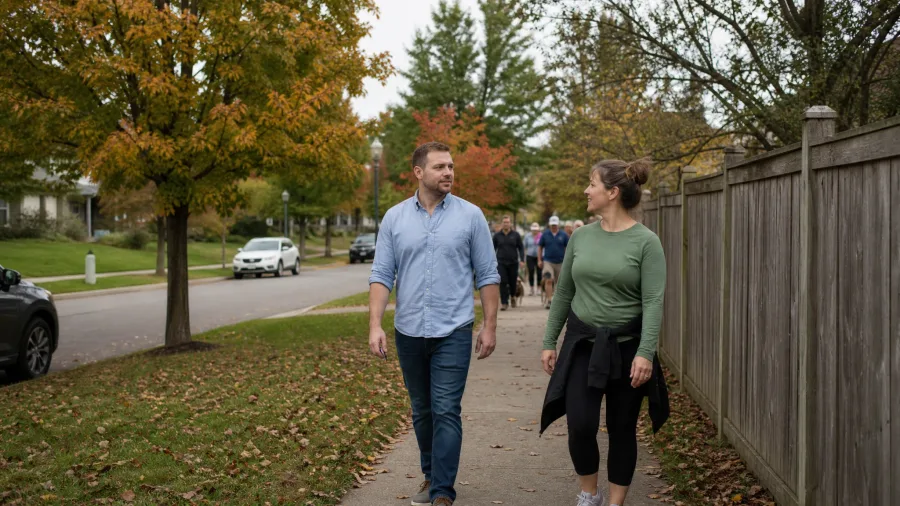
People think you need an expensive health club membership to stay active after 60.
Started a neighborhood walking club to combine mandatory physical exercise with regular social interaction. Walked 3 miles three mornings a week with neighbors.
Cost zero dollars to organize and maintain. Lowered sedentary habits acquired during the first two retirement years.
8. Adopting a rescue dog for daily accountability

After the neighborhood walking group disbanded for the winter months, my afternoons in the house stretched out into an overwhelming silence that made the quiet of my suburban Ohio home feel heavier than ever.
I found myself staring out the living room window at empty streets, realizing that while group walks provided social contact, they did not fill the persistent vacuum of the empty hours between noon and dinner.
Bringing home a rescue dog from the local shelter was not a decision I made lightly, because adding a dependent living creature after spending sixty-two years managing my own schedule felt daunting.
That initial hesitation vanished the moment an anxious mixed-breed hound settled onto my kitchen floor, immediately establishing a strict outdoor schedule that forced me outside regardless of the weather or my mood.
The financial reality of this companionship involved a predictable baseline expense of 80 dollars a month for quality food, routine preventative care, and emergency medical supplies.
That monthly expenditure guaranteed at least 60 minutes of mandatory outdoor walking split across morning and afternoon sessions, completely eliminating the sedentary habits I had slipped into during my first two years of retirement.
More importantly, it provided constant companionship during those previously vacant afternoons, turning an isolated house into a shared living space with a creature who relied entirely on my daily presence.
If the full daily responsibility of pet ownership feels overwhelming when you are already struggling with low energy, you have full permission to start smaller by fostering a senior animal for just two weeks to see how your routine and budget adapt before committing long-term.
A living creature that needs breakfast at 7:00 AM cures retirement aimlessness faster than any alarm clock.
— What retirees learn quickly
9. Learning digital photography and editing

I started learning digital photography to channel my persistent restlessness into a focused solo creative project right now while my morning walking routines were already getting me outside every single day in the neighborhood.
Grabbing a used kit this month avoids the steady price inflation on secondhand electronics, and I eventually spent 450 dollars total on a dependable camera body, a memory card, and two starter lenses online.
I committed 5 hours weekly to shooting empty brick warehouses, overgrown industrial alleys, and quiet park trails around my Ohio suburb, forcing myself to notice light and shadow instead of staring blankly at household chores.
That deliberate shift completely replaced hours of passive evening television watching with active, tactile image editing on my desktop computer.
Waiting to start means losing another month to aimless scrolling, whereas holding a real camera turns every ordinary errand into an intentional hunt for a compelling frame that keeps the mind actively engaged and learning.
10. Hosting a monthly neighborhood dinner club

Set up a rotating potluck schedule with four local couples to lock in a reliable social calendar and push back against isolation.
Review the setup quarterly to check if the schedule holds up and the food costs stay under 50 dollars per turn.
This regular gathering brought back the steady camaraderie I missed from workplace breakrooms, trading solo quiet for shared meals.
💡 Tip: Keep the group size to eight people max so everyone fits around a standard dining table.
11. Auditing household subscriptions and expenses
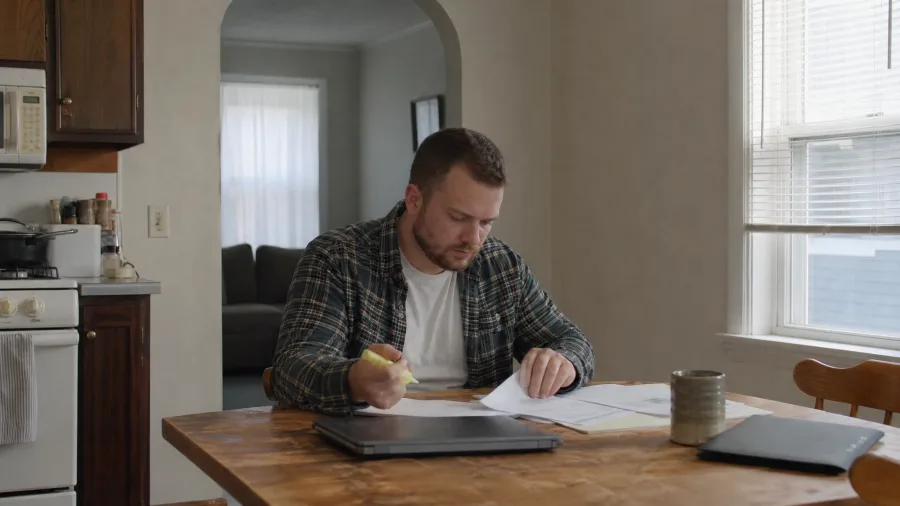
I sat at my kitchen table with a printed credit card statement from the previous month and a yellow highlighter, staring in disbelief at charges for three different streaming services I had completely forgotten I was paying for.
Most retirees assume that financial anxiety is just a permanent fixture of living on a fixed income, but a lot of the squeeze actually comes from administrative drift rather than a lack of funds.
New belief: hidden monthly expenses drain more than just your checking account; they quietly starve the exact hobbies and social connections that make retirement worth having.
I went line by line through my bank records and cut 200 dollars in unused monthly streaming, software, and app subscriptions that were quietly bleeding out in the background.
I immediately redirected those exact funds into paying for workshop materials and college course fees, turning idle money waste into active retirement purpose.
The Subscription Audit
Average annual savings from cutting unused apps and streaming
12. Writing a weekly personal memoir journal

Fifteen dollars bought me a simple paper notebook and a black ink pen, launching a project that required zero fancy software or expensive equipment.
The real trade-off here is not financial, but emotional, because dragging up old memories takes honest effort and three hours of dedicated weekly time that you could easily spend watching television. Staring at blank lines when you are used to corporate efficiency feels awkward at first, and some days the pages come out painfully slow.
The result is a tangible legacy document for my children and grandchildren to keep long after I am gone.
Frequently Asked Questions
Is it normal to feel depressed during the first year of retirement?
Yes. Losing a daily professional routine and identity causes genuine grief for many people. Building a new structure takes deliberate effort and experimentation over several months.
How much supplemental income should I aim for in retirement?
Aim for whatever covers your discretionary hobby costs so you do not have to touch your core retirement savings. Even 500 dollars a month changes your financial cushion significantly.
What if I do not want to go back to work in any capacity?
Focus on non-paid structure instead, such as volunteering, gardening co-ops, walking groups, or creative projects. The key is establishing a reliable morning schedule.
How do I deal with friends who are still working long hours?
Find local peer groups through volunteering, community college classes, or neighborhood clubs where people share your current life stage and weekday availability.
Rebuilding Your Daily Rhythm After Retirement
Evaluate your own retirement malaise honestly against these twelve tested fixes and choose the top two adjustments to implement in your very first week.
That initial post-career boredom is simply an unstructured schedule waiting for deliberate daily design rather than an ending.
Step back into your suburban kitchen tomorrow morning, pick up that pen or lace up those walking shoes, and make the next hour entirely your own.
Ready to Fix Your Retirement Routine?
Review item #5 right now and set your alarm for 6:30 AM tomorrow morning to take back your day.