
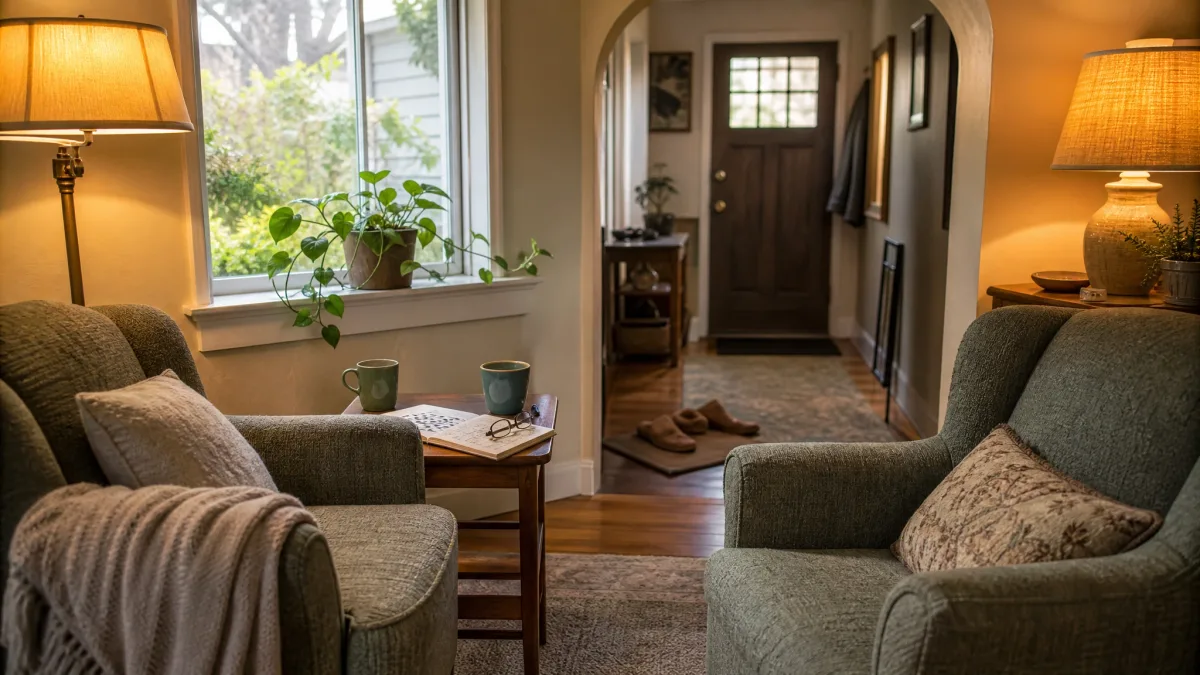
The hidden health risk of an empty house heavily rivals a daily smoking habit, turning interior layout into a literal lifeline for aging adults. The profound quiet of a solitary home often feels permanent, carrying the exact same mortality risk as smoking 15 cigarettes a day.
Isolation is rarely caused by a lack of willing friends.
The real culprit is usually a property built to accidentally repel them, featuring dark street-facing windows, perfectly tucked-away puzzles, and rigid formal rooms. Rearranging heavy sofas, upgrading exterior seating, and layering warm entryway lighting completely removes the physical friction of hosting.
Making these 11 strategic spatial adjustments shifts a closed fortress into an open neighborhood hub, pushing spontaneous drop-in visits from just one a week to four.
Quick Tips Before You Start
Test the Exit
If you have to rock forward to stand, the chair is too deep.
Check the View
Walk the sidewalk and see what your windows communicate.
Count the Steps
Keep coffee mugs and filters within an arm's reach of the kettle.
Connecting with the Neighborhood
The property line is your first filter.
A home that looks shut down from the sidewalk rarely gets a knock on the door. These exterior shifts give neighbors the social permission they need to say hello.
1. Hidden Porches Repel Casual Neighbor Chats
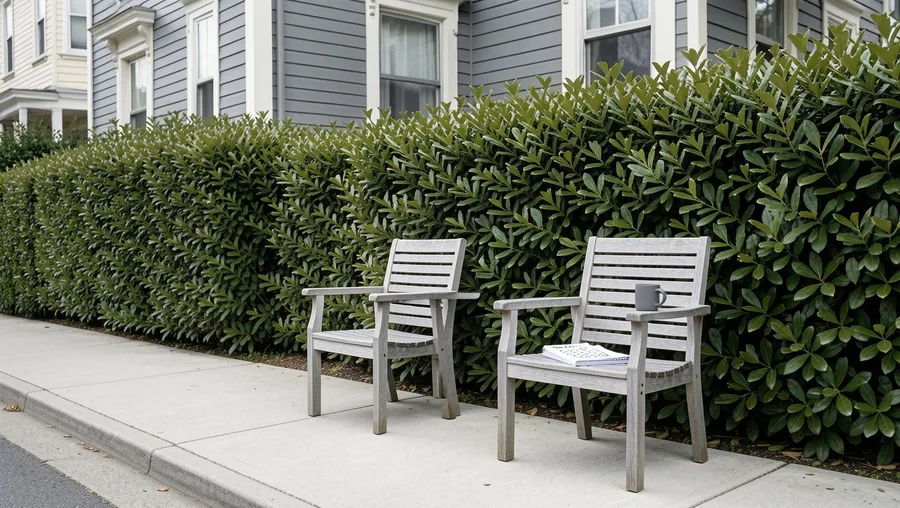
A neighbor walks their dog past the front yard every morning at eight, completely invisible behind the property line's mature laurel hedges.
Those tall privacy screens physically sever the house from the public sidewalk, blocking eye contact and eliminating any chance for a casual morning greeting. A $1,200 front patio seating upgrade fails entirely if the new outdoor chairs sit trapped behind that dense green wall.
Placement determines who actually stops to talk.
Moving two weather-resistant teak armchairs to the street side of the visual barrier, facing the sidewalk, deliberately invites spontaneous conversation with dog walkers and daily passersby. This open, highly visible setup heavily favors retirees living in walkable, dense residential or suburban neighborhoods with steady foot traffic.
💡 Tip: Angle the chairs slightly toward the street, not directly at each other.
The Curb Appeal Barrier Scale
- Low Fence or Open Lawn: Highly approachable for sidewalk chats.
- Deep Setback with Trees: Requires a deliberate walk up the path.
- Six-Foot Privacy Hedge: Completely severs visual connection to the street.
2. Dark Windows Signal You Want Isolation
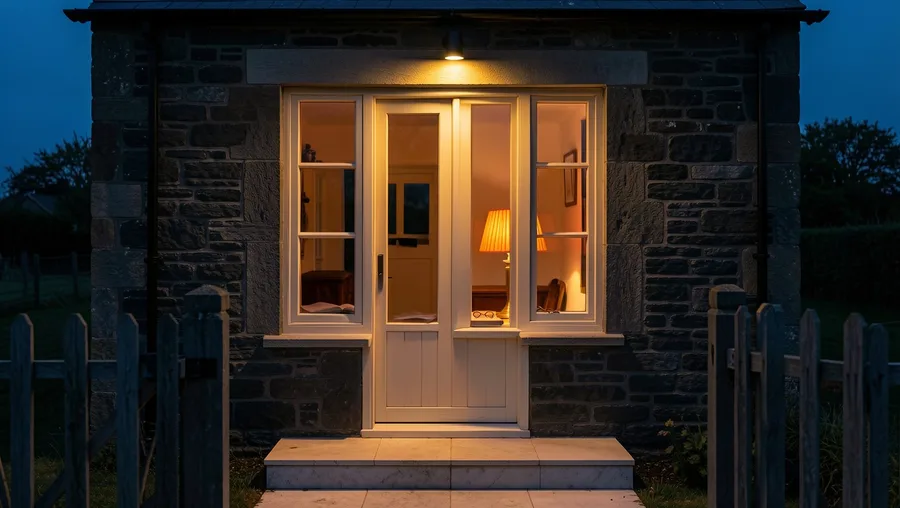
A busy apartment building naturally spills light and activity onto the pavement long after dusk, while a solitary retirement house often goes completely black by early evening. Even with welcoming chairs positioned near the property line, walking up to a shadow-draped facade feels exactly like trespassing on restricted ground.
Early evening darkness signals that the resident is already asleep.
When the house shuts down at sunset, it throws up a hard visual barrier. Neighbors walking past interpret that complete lack of illumination as a direct request for total isolation.
The homeowner might simply be watching television in a back room, but the unlit architecture tells a completely different story to anyone passing by the yard. Adding warm LED porch lights and keeping visible interior window lamps turned on immediately makes the home look permanently occupied and safe.
Illuminated exteriors give impromptu visitors the social permission to approach.
Facade Signals
Inviting
- Warm LED porch lighting
- Visible interior lamps
- Cleared pathway
- Chairs facing outward
Isolating
- Unlit front entry
- Drawn heavy blinds at 5 PM
- Overgrown privacy hedges
- Empty front stoop
3. A Stark Entryway Creates an Unintentional Barrier
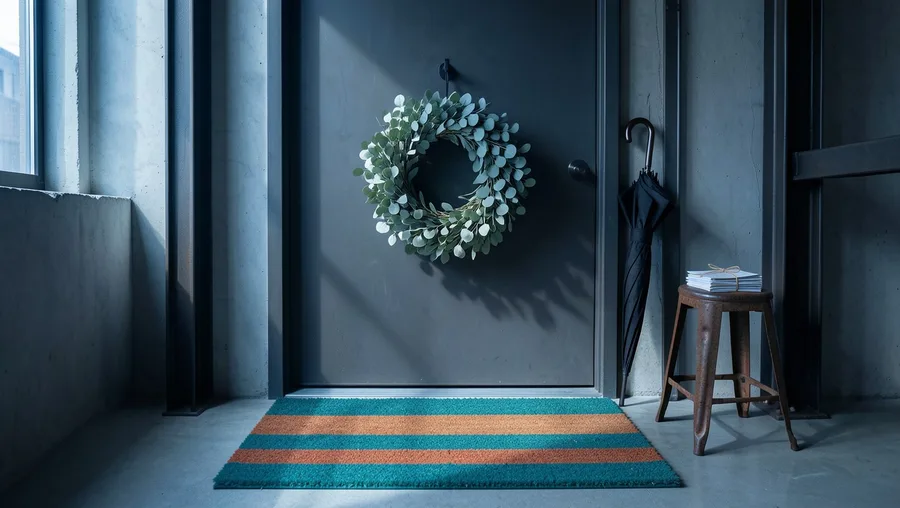
It is easy to assume that leaving the front lamps burning is enough to tell neighbors they are welcome to drop in, but a lit path only brings visitors as far as the threshold.
The immediate physical details of the door itself dictate whether anyone actually knocks. A bare, unkept landing implies a vacant or highly guarded residence, making a spontaneous visit feel like a trespass. A blank, undecorated facade actively turns a willing guest away at the very last second.
A welcoming exterior requires no construction.
Hanging a dried eucalyptus wreath on the door and dropping a thick, brightly colored coir mat on the concrete signals an active, engaged resident. These simple, physical markers prove the house is inhabited by someone who genuinely cares about their community presence.
Such small decorative additions communicate that visitors are not just tolerated, but expected. A well-tended entry removes the friction of approaching and opens the house before anyone even turns the handle.
⚠️ COMMON MISTAKE
The Empty Porch Problem
Removing every piece of decor to make sweeping easier sends the wrong message. Zero personal touches makes the house look abandoned.
Lowering the Stakes of Hosting
Formal entertaining is exhausting.
Retirees stop inviting people over because the physical and mental toll of a grand dinner party outweighs the social benefit. Shrink the stakes to fix the problem.
4. Formal Dining Tables Create Unnecessary Hosting Anxiety
Four hours of cooking a heavy roast is exactly why dinner invitations stop going out. Getting a neighbor inside is only half the equation; pointing them toward a massive dining table raises the stakes.
A formally set table silently demands a grand, multi-course meal, which intimidates the person sitting down and exhausts the person serving it. Retirees missing company often avoid asking people over entirely because standing at a hot stove all afternoon physically hurts. The toll of an elaborate menu turns a casual catch-up into a grueling performance.
The easiest way to drop that pressure is changing the venue.
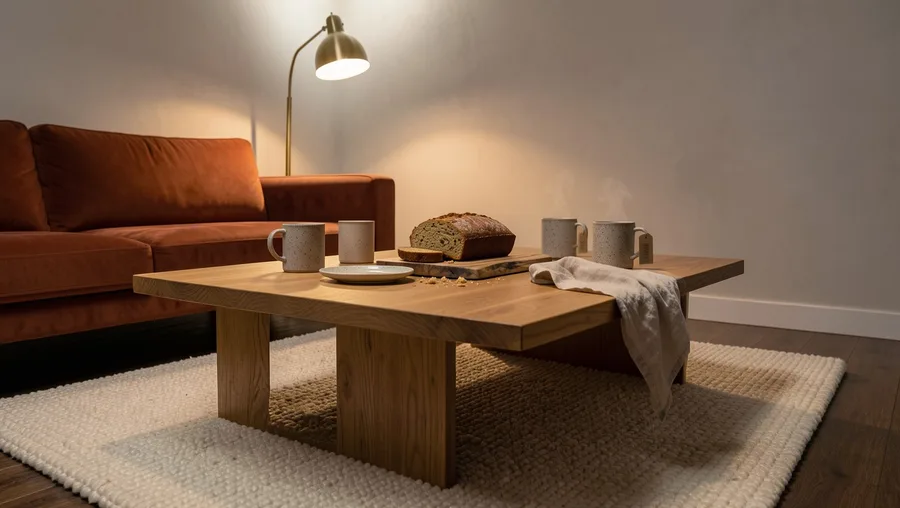
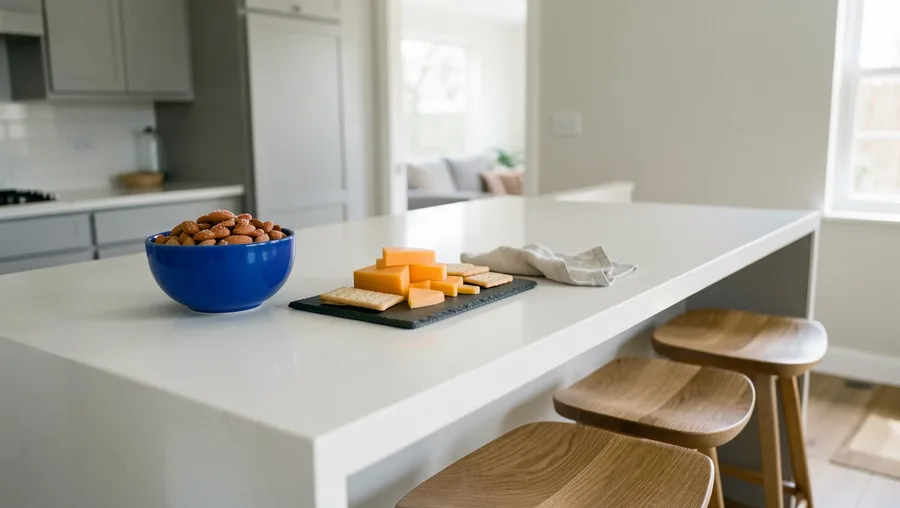
Shifting the gathering away from the formal dining room and over to a kitchen island or a low oak coffee table rewrites the unspoken rules of a visit. A smaller surface restricts the menu by physical design, leaving no room for a carving station, side dishes, or a towering centerpiece.
When guests pull up a counter stool or sink into a sofa, they expect nothing more than simple snacks like a bowl of salted almonds and some sliced sharp cheddar cheese.
Casual seating completely removes the performance anxiety of hosting an event, turning a structured dinner party into a relaxed afternoon visit. Relying on a coffee table makes it possible to welcome community connection even on the most low-energy days of the week.
The Casual Hosting Setup
🪑 Seating
Island Stools
🍽️ Plating
Stacked 6-inch plates
🧀 Menu Focus
Cold snacks only
The Rule
If it requires silverware, it is too complicated for a drop-in visit.
5. Hidden Appliances Stop Spontaneous Morning Drop-Ins
Leaving a visitor alone in the living room kills the visit.
Moving the conversation to a low-pressure seating arrangement only works if serving those friends relies on equipment that keeps the host engaged. Rummaging through deep, dark lower cabinets for paper filters, sugar bowls, and matching ceramic mugs turns a quick morning drop-in into a stressful scavenger hunt that completely abandons the visitor.
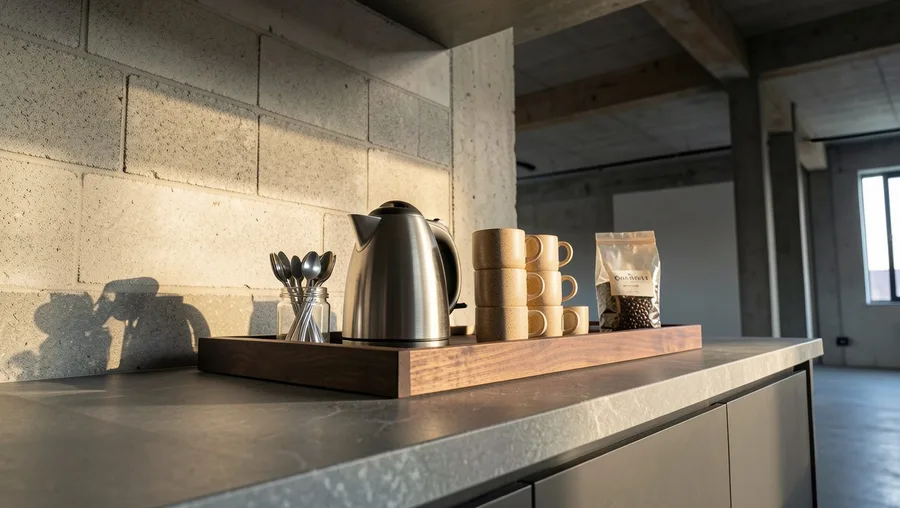
A dedicated coffee and tea station arranged on a wide walnut tray keeps the serving operation above the counter. Grouping an electric kettle, oat-colored mugs, and spoons costs $150 to set up.
The visual cue matters just as much as the convenience.
Leaving the brewing tools out in the open turns offering a hot beverage into an effortless physical reflex rather than a tiring, multi-step kitchen chore. That immediate, prepared hospitality tells an unexpected neighbor they are absolutely no trouble at all, which naturally encourages them to sit down and actually stay.
☕ Building the Drop-In Drink Station
Clear the Counter
Select a corner that does not interfere with daily meal prep.
Anchor with a Tray
Place a wooden or metal tray to define the specific zone.
Plug in the Kettle
Position an electric kettle or coffee maker directly on the tray.
Display the Supplies
Keep four mugs, spoons, and sugar visible and reachable without opening doors.
6. Low Soft Sofas Physically Exclude Aging Friends
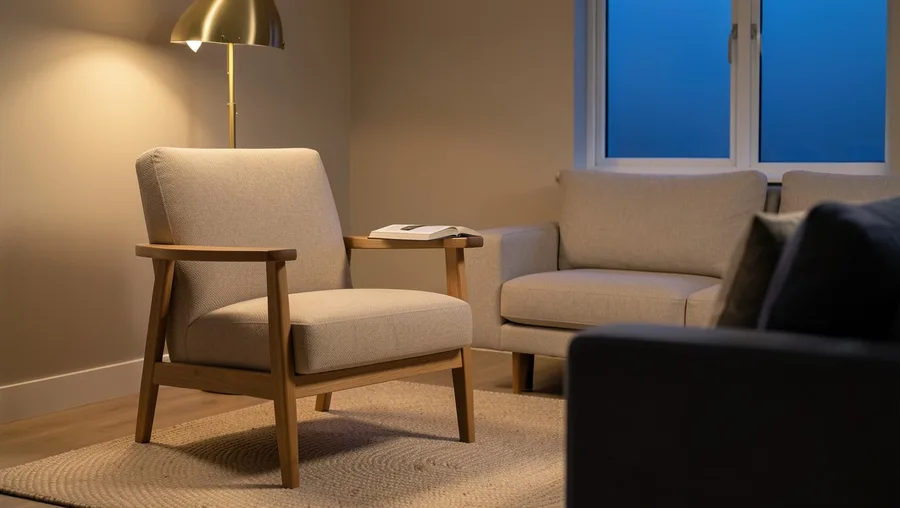
Deep cushions turn a casual afternoon visit into a physical trap.
Serving drinks from an accessible counter eliminates the host's physical friction, but the reality of aging peers shifts the burden directly to the seating. A plush, down-filled sofa might look inviting, but it swallows anyone with limited mobility. Sinking into that low upholstery means standing back up requires painful strain on the lower back and knees.
Friends simply cut their visits short to avoid the struggle.
A deep seat forces the body's center of gravity backward, far behind the feet. Without a firm edge or sturdy armrests to push against, an older adult is left rocking forward multiple times just to build enough momentum. The absence of supportive furniture turns a natural departure into a highly visible, embarrassing hurdle.
Adding a $600 firm accent chair provides the necessary seat height and rigid armrests to allow safe, independent exits. Placing this structured option directly opposite the sofa gives older peers an immediate, secure alternative.
Accessible seating ensures friends visit comfortably without the silent fear of getting stuck in the cushions. When the environment no longer physically excludes people, they stop guarding their time and actually stay longer. The living room opens back up, and the conversation easily outlasts the afternoon.
Best Seating Specs for Seniors
7. Pristine Guest Rooms End Up Collecting Dust
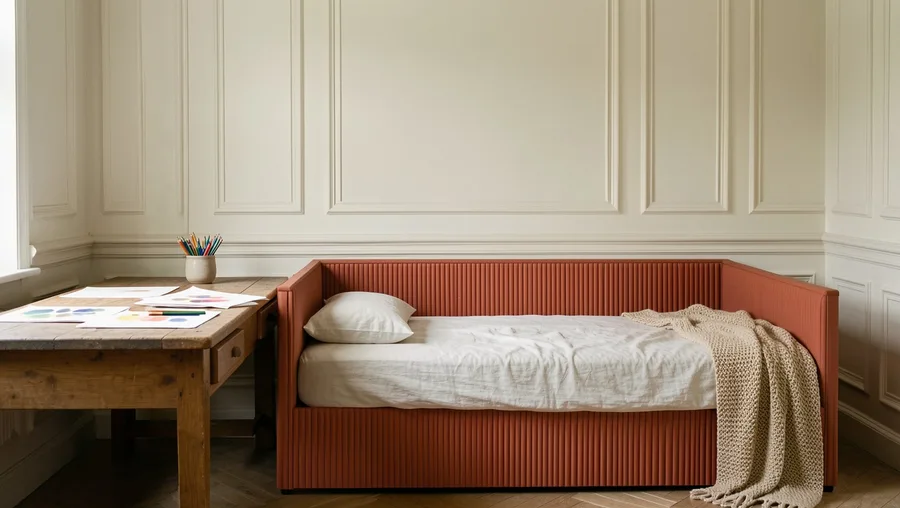
The holidays end, the dedicated guest mattress gets made with fresh linens, and the room sits completely untouched for the next eleven months. While supportive seating keeps peers comfortable out in the main living space, the layout of those secondary rooms dictates whether younger family members actually linger.
A formal bedroom feels too stiff for casual daytime lounging.
Converting that empty square footage into an active hobby room with a functional daybed invites everyday use. Grandchildren naturally gravitate there during afternoon visits rather than treating it solely as a sleeping quarter.
Multi-purpose rooms lower the overall formality of the house. Family members feel they can simply drop their bags and stay.
💡 Tip: Use a tailored slipcover on the daybed to make it feel like a sofa.
Sparking Connection Indoors
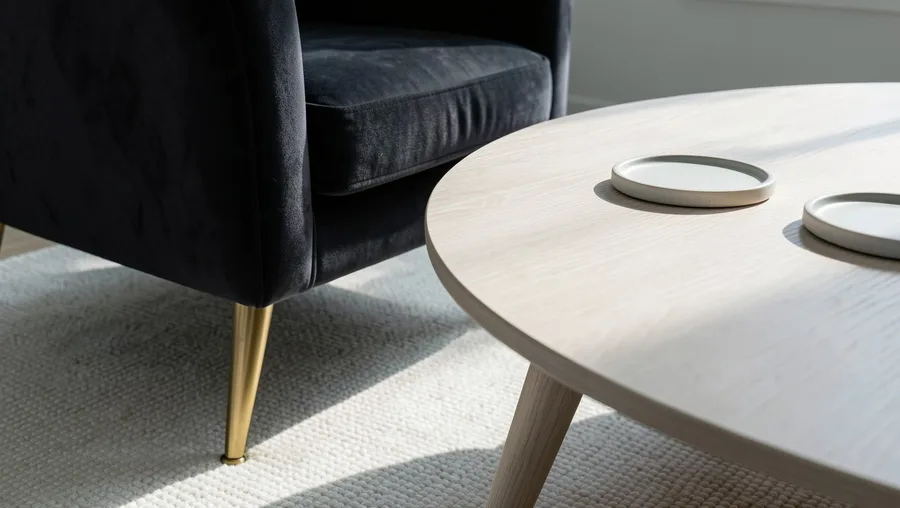
Layout dictates behavior.
Once guests are inside, the room either feeds the conversation or starves it. Small shifts in furniture and sound make staying longer feel entirely natural.
8. Centering Furniture on Screens Kills Natural Conversation
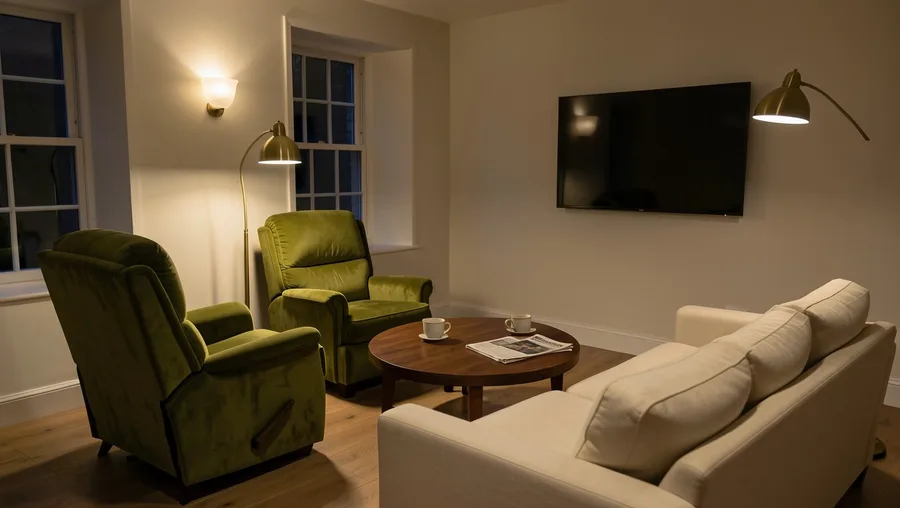
A relaxed spare room might convince old friends to drop their bags, but assuming comfortable furniture automatically produces good conversation ignores the strict rules of layout.
Anchoring a sofa and two recliners entirely toward a large black screen forces guests into a parallel alignment, leaving them staring straight ahead like commuters on a bus. When visitors sit shoulder-to-shoulder, making sustained eye contact requires a physical twist that quickly causes neck strain. They naturally stop trying and default to passive silence.
The room geometry itself stops the talking.
Breaking that rigid theater formation means turning the chairs inward around a central coffee table. Angling seats so they point directly at the sofa shatters those parallel lines.
Directing seating toward other seating forces natural eye contact and immediately removes the physical friction of starting a dialogue. Visitors who find themselves looking directly at human faces instead of a blank monitor fall into easy conversation without feeling pressured to perform.
9. Generic Catalog Art Gives Guests Nothing to Ask
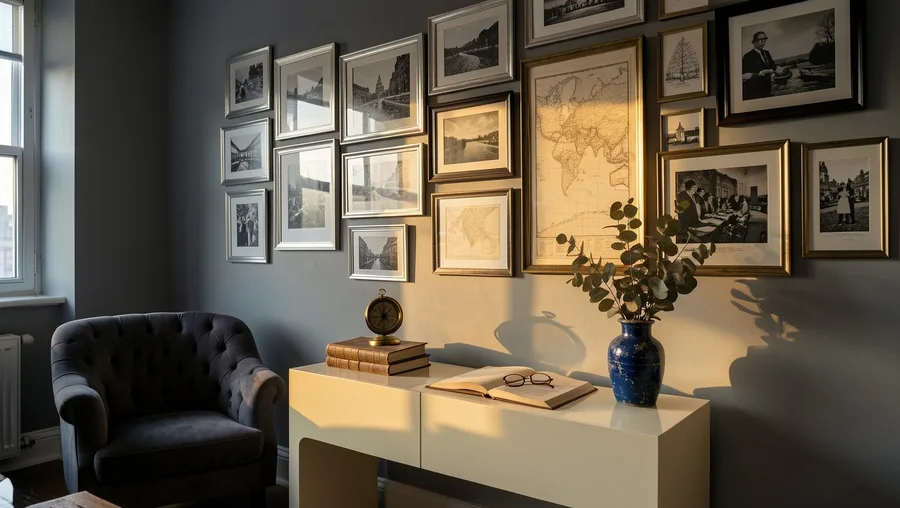
Whereas standard living rooms feature mass-produced botanical canvas prints that fade into the background, a room full of personal history gives guests an immediate reason to speak. Positioning furniture toward each other creates the space to talk, but framed objects on the wall supply the actual subjects.
Generic store-bought prints force visitors into awkward small talk.
Replacing factory-made landscapes with framed travel photos, vintage ceramic collections, or ancestral heirlooms gives new acquaintances instant visual prompts. A brass compass on an oyster side table or a framed vintage map invites direct questions without forcing anyone to search for topics.
Displaying real personal history bypasses initial social friction, turning an unfamiliar visitor into an engaged companion in minutes.
10. Tucked-Away Hobbies Prevent Low-Pressure Shared Activities
Two hours of uninterrupted eye contact exhausts anyone.
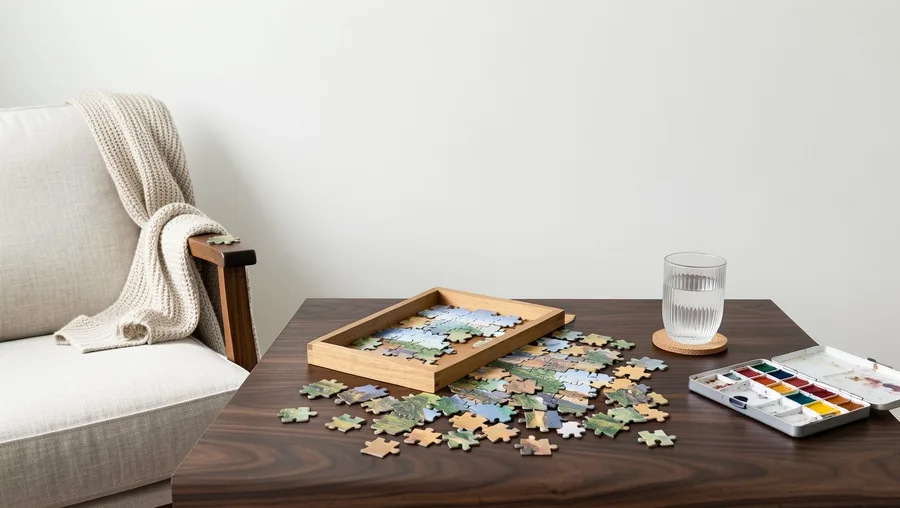
While a framed photograph sparks those first few questions, an interactive object actually sustains the afternoon once that initial chatter fades. Shoving a wooden backgammon set or a thousand-piece landscape puzzle into a hall closet just to keep surfaces pristine strips the room of its most effective social tool.
A bare coffee table demands constant banter and intense focus from both people in the room. This turns a casual drop-in into a high-pressure performance that older guests often avoid entirely.
Leaving a watercolor kit or a half-finished puzzle out on a walnut side table naturally pulls people into a shared, low-stakes task. Visitors simply sit down, pick up a stray piece, and start contributing to the board without needing a formal invitation to participate.
A visible, tactile activity absorbs the awkwardness of a quiet room. Staring at the board relieves the pressure of constant conversation, letting introverted neighbors stay longer without feeling socially drained.
11. Echoey Rooms Make Hearing Too Difficult for Seniors
Shared activities naturally spark easy chatter, but those efforts fall flat when poor room acoustics turn spontaneous conversation into an overwhelming wall of scrambled noise.
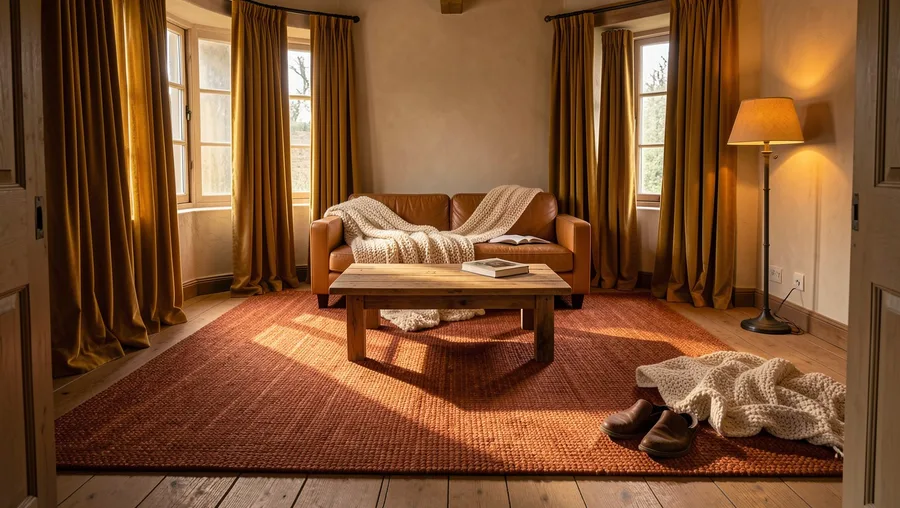
Uncovered hardwood floors, expansive bare windows, and smooth drywall bounce sound waves back and forth across the entire living space. That relentless bouncing transforms an ordinary seating area into a reverberation chamber. Instead of distinct, crisp sentences, the room fills with an overlapping echo that forces everyone to strain or shout.
Hearing devices amplify that chaotic echo right alongside human speech.
For older guests, isolating a single voice inside a ringing environment demands intense concentration. Hearing assistance devices cannot distinguish between a friend's direct words and the secondary sound waves slapping off bare glass and plaster walls. Straining to decode blurred syllables leads to deep physical and social fatigue, causing visits to cut short.
A targeted $450 investment in a dense wool area rug, heavy lined window drapes, and layered soft textiles absorbs those stray sound waves right where they hit hard surfaces.
Acoustic dampening restores quiet clarity to the living space, giving friends with hearing loss the ability to follow every joke, share stories, and stay as long as they wish.
Frequently Asked Questions
How do I make my house look inviting without losing privacy?
Use layered lighting and open the front blinds just a few inches at dusk. Keep heavy foliage trimmed back near the street to show the porch while maintaining window privacy.
What is the best way to handle unexpected guests if the house is messy?
Contain the mess to private zones and keep the entry and coffee station completely clear. A functional beverage tray distracts from dust and makes visitors feel immediately accommodated.
Why do deep sofas cause so much trouble for older guests?
Deep cushions tilt the pelvis backward and lower the center of gravity. Standing up requires immense core strength, which older adults often lack, making the exit physically painful.
Can I fix an echoey room without buying thick carpets?
Yes, heavy canvas wall art, thick velvet curtains, and upholstered dining chairs all absorb high-frequency sound waves. Adding felt pads under every hard object also stops sharp noise reflections.
Setting the First Signal for Visitors
Start with the single lowest-effort change by setting up a visible $150 coffee and tea station right near the main entryway. That one simple adjustment immediately signals to local family and nearby neighbors that the front door is always open.
Changing the physical environment fundamentally changes the daily foot traffic.
An empty living room does not have to remain a silent health hazard equaling 15 cigarettes a day. By intentionally arranging the floor plan for genuine connection, the hardest part of hospitality becomes simply deciding who to invite over next.