

A single phone call can wipe out forty thousand dollars of retirement savings before you finish your morning coffee.
The phone rings displaying what looks like a trusted bank or government fraud department number, setting up an immediate financial trap designed to exploit your life savings through high-pressure tactics.
It is terrifying to think someone has access to your accounts, but panic is the exact tool fraudsters rely on to bypass your judgment.
An imposter phone call can drain forty thousand dollars from retirement accounts unless interrupted by the six-word phrase I am hanging up right now and verified through official channels.
Quick Tips Before You Start
Never Trust Caller ID
Numbers can be easily faked to display bank names.
Pause the Urgency
Legitimate institutions give you time to think.
Check the Card
Always use the official support number on your debit card.
1. Spoofed Caller IDs Mimic Trusted Bank Fraud Departments

Your stomach drops when the screen displays the exact customer service number of your trusted bank, making you believe a genuine fraud agent is calling about your life savings.
Criminals use technology known as caller ID spoofing to falsify incoming numbers, masking their own lines with legitimate institutional contacts to trick you into lowering your guard.
These deceptive calls specifically target retirement accounts with an average loss of $40,000, manufacturing false urgency by claiming unauthorized transactions require your immediate intervention.
| Feature | Legitimate Institution | Imposter Caller |
|---|---|---|
| Caller ID | Displays standard bank customer service line | Spoofed to mimic bank fraud departments |
| Urgency | Encourages calm verification and branch visits | Demands immediate wire transfers under duress |
| Account Access | Never asks for remote login or full passwords | Requests remote desktop access or verification codes |
⚠️ COMMON MISTAKE
Assuming the Caller ID Is Real
Trusting the name on your phone screen is the primary vulnerability scammers exploit to gain instant credibility.
2. False Urgency Demands Immediate Fund Transfers

Once the fake caller ID establishes false institutional authority, the conversation escalates into high-pressure demands designed to bypass your rational thinking.
Fraudsters manufacture a crisis to prevent retirees from pausing to think or verify, using aggressive psychological pressure tactics to demand immediate wire transfers to safe accounts under simulated duress.
Real banking professionals will never demand instant wire transfers or ask for remote access to your personal computer or mobile banking application.
If you ever feel cornered by sudden threats regarding your nest egg, pause and consult a trusted local branch manager or financial institution representative before taking any action.
Scam Jargon Decoder
3. Six Strategic Words Shut Down the Manipulation Instantly
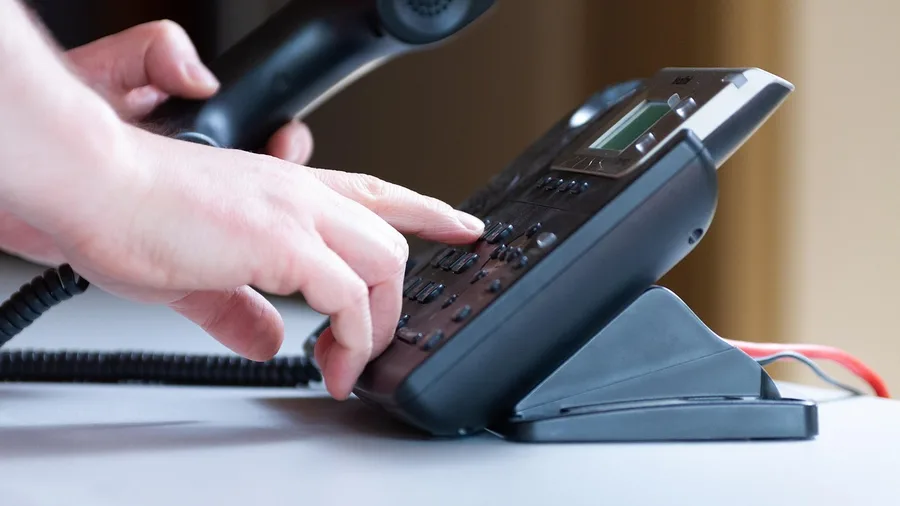
It feels terrifying to abruptly cut off someone who sounds like an urgent authority figure, but you can protect your peace of mind by remembering you owe them no politeness.
With the psychological trigger of fear driving the crisis, stopping the manipulation requires a strict verbal boundary that halts their momentum instantly.
The six-word phrase 'I am hanging up right now' breaks the scammer's scripted flow and gives you back total control of the telephone line.
Providing no further explanation prevents the criminal from countering with renewed pressure, arguing details, or inventing new reasons to keep you on the hook.
Ending the call immediately removes the attacker's access to your attention and stops the threat before your hard-earned retirement funds can ever move.
💡 PRO TIP
Memorize the Shield Phrase
Say 'I am hanging up right now' out loud twice today so your brain retrieves it automatically under stress.
4. Hanging Up First Protects Your Retirement Accounts

Many people stay on the line during a suspicious phone call because they worry that hanging up might actually make things worse for their retirement savings.
The most common mistake is believing that ending the conversation abruptly carries some hidden penalty, damages your standing with the institution, or signals guilt to the person on the other end.
That hesitation gives the fraudulent caller exactly what they need to keep applying psychological pressure and pulling sensitive data from you.
Terminating the connection immediately removes the attacker's psychological control with zero financial risk to your accounts.
Remaining on the line increases your vulnerability to continued manipulation, leaving your life savings exposed to rapid extraction.
Real bank employees and fraud investigators will always understand why someone disconnected for safety and will gladly accept a call-back through official channels.
Hanging up first shifts control squarely back to the account holder, proving the safety of cutting off bad actors before any damage is done.
Common Misconceptions About Hanging Up
5. Independent Verification Confirms Real Account Status

Within ten minutes of disconnecting a high-pressure call, independent verification establishes real account status without letting panic dictate your next move.
Calling the official number on the back of the debit card reaches actual bank personnel who can securely review your balances.
Redialing incoming numbers or clicking callback links connects directly back to the scammers, while establishing a brief waiting period prevents emotional reactivity before checking balances.
Verification Essentials
6. Designated Family Safeguards Block Future Vulnerabilities

Call your bank today and add a trusted contact person to your financial accounts to create an institutional barrier against unusual withdrawals.
Establish a simple household password for family verification so you can easily block imposters impersonating relatives.
Remember that suspicious transfers must be reported within the 48-hour window for potential wire recalls, but you do not have to set up every single safeguard all at once.
Frequently Asked Questions
What if the caller already knows my account number and address?
Data breaches expose personal details frequently. Scammers use public information to sound legitimate, but real bank staff will never demand immediate wire transfers over the phone.
Should I call back the number that just called me?
Never redial an incoming number when you suspect fraud. Always look at the back of your debit card or your official bank statement to find the genuine customer service contact.
How can I protect an aging parent from these phone scams?
Establish a family code word, help them set up a trusted contact with their financial institution, and encourage them to hang up immediately if anyone mentions moving money.
What should I do if I already sent a wire transfer to a scammer?
Contact your bank's fraud department immediately to request a recall, and file a report with local law enforcement within the initial 48-hour window.
Hanging Up First Protects Your Life Savings
Hanging up first is never rude when safeguarding your financial future against coordinated deception and high-stakes imposter threats.
Return to that initial moment when your phone rings displaying a spoofed caller ID from a trusted institution, knowing you no longer have to guess what to do next.
Leave this page fully equipped with the exact words to instantly terminate the call and protect your lifetime of savings.
Secure Your Accounts Today
Review your bank login settings and add a trusted contact person to your primary retirement accounts this week.