

The common assumption is that the moment you can no longer live completely unassisted, moving into a nursing home is the only safe choice. It is not.
A private nursing home room costs a median $9,000 per month ($108,000 per year), quickly liquidating retirement savings while stripping away personal autonomy. Needing daily physical support does not automatically require checking into an institutional facility.
Adapting residential property, sharing living overhead, or coordinating localized community care delivers daily safety and companionship for less than half that cost.
Evaluating your specific mobility levels, local zoning, and family setup lets you bypass the facility trap and keep your independence intact.
Quick Tips Before You Start
Calculate Net Monthly Gap
Compare the $9,000 care home baseline directly against your current monthly housing and medical cash flow.
Establish Legal Frameworks Early
Draft medical and financial power of attorney documents before initiating any property transfers or joint leases.
Audit State Licensing Portals
Search official state health records for violation histories before visiting residential board-and-care homes.
Set Written Roommate Boundaries
Detail kitchen schedules, guest limits, and shared chore rotations in writing before sharing housing.
Household and Property Solutions
Modifying residential property allows seniors to secure physical safety while building tangible equity instead of paying facility rent.
Turning existing floor space into accessible suites or sharing costs with compatible housemates creates built-in care networks. These real estate strategies keep living expenses manageable while preserving complete control over your daily routine.
1. Convert Existing Property into a Universal-Design Suite
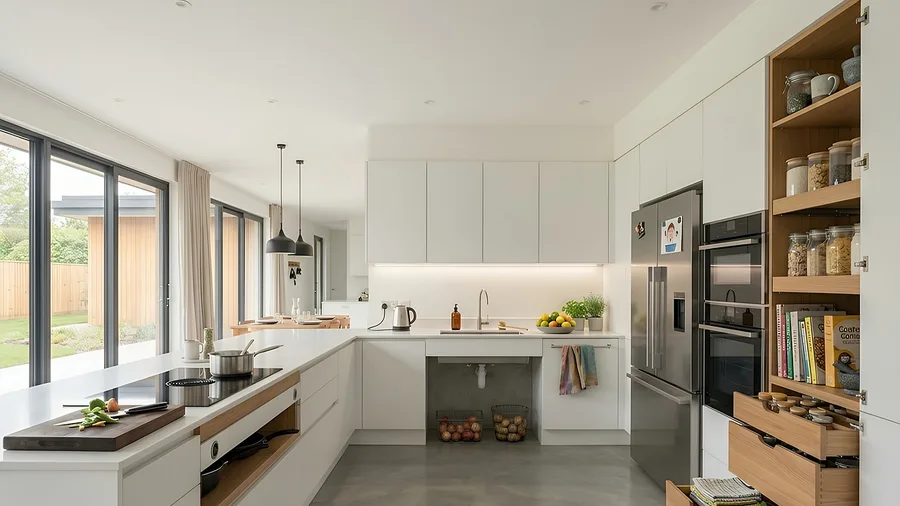
The panic hits when simple stairs turn into daily obstacles.
Giving up your house feels like a heavy loss, particularly when the default nursing facility demands a median $9,000 each month. When my family ran into that exact wall, we put $95,000 toward converting an attached garage into a finished universal-design suite rather than writing non-recoverable checks to a commercial operator.
That upfront construction figure looks intimidating on paper, but the investment breaks even against private institutional care costs in under eleven months.
Practical universal design relies on zero-step entries, thirty-six-inch wide doorways for wheelchair clearances, curbless roll-in showers, and reinforced wall blocking behind bathroom drywall for heavy grab bars. Before hiring a contractor, review municipal zoning ordinances regarding accessory dwelling units, specifically checking lot coverage limits, property line setbacks, and separate utility connection requirements.
That capital stays anchored in your property title as permanent equity rather than vanishing into commercial rent. It solves the physical safety problem while keeping your hard-earned assets within the family.
💡 Tip: Install 2×8 solid wood backing between bathroom wall studs during framing to support grab bars securely anywhere in the stall.
| Living Arrangement | Typical Monthly Cost | Care Level Provided | Best Suited For |
|---|---|---|---|
| Private Nursing Home | $9,000 / month | 24/7 Skilled Clinical Care | Severe cognitive or complex medical needs |
| Assisted Living Base | $4,800 / month | Tiered ADL & Meal Support | Moderate daily physical assistance |
| Residential Board-and-Care | $4,200 / month | High-Ratio Daily ADL Help | Low-mobility seniors wanting home settings |
| Adult Day Care + Night Aide | $4,550 / month | Day Activity & Evening Care | Working families needing daytime coverage |
| Senior Home-Sharing | $1,200–$1,800 / month | Passive Safety & Shared Chores | Independent seniors seeking companionship |
| PACE Program at Home | Covered via Medicaid/Medicare | All-Inclusive Coordinated Care | Nursing-home eligible seniors living at home |
2. Form a Senior Home-Sharing Arrangement

Opening your front door to an unfamiliar roommate sounds intimidating, but you never have to commit your house or your daily routine to a permanent living arrangement right away.
When major construction is impossible and $9,000 monthly facility fees would drain your savings, pooling resources with a peer solves the math. Two adults sharing a single home instantly cut utility bills, property upkeep, heating costs, and basic household supplies in half while keeping both individuals firmly grounded in an authentic neighborhood.
You can test the arrangement for thirty days.
Specialized senior home-sharing organizations remove the risk by managing the matching process directly. They run criminal background checks, pull credit reports, and conduct structured compatibility interviews to align daily schedules, cleanliness standards, and guest preferences so neither person walks into a living situation blind.
Passive safety monitoring is the quietest benefit of shared housing.
Having a peer in the next bedroom provides an immediate safety cushion that solitary living cannot offer. If someone slips in the hallway or experiences a sudden medical issue, a housemate notices the unusual silence or calls for help immediately, preventing the catastrophic danger of lying undiscovered for hours.
Solidify boundaries through a written agreement covering quiet hours, chore distribution, shared pantry costs, and visitor rules. Putting details on paper removes friction before small misunderstandings turn into arguments.
A sixty-day trial lease gives you room to test the dynamic with zero pressure, cutting your overhead in half while keeping your long-term housing options wide open.
Operational Comparison: Home-Sharing vs. Facility Care
Senior Home-Sharing
- Zero mandatory entrance fees or upfront community buy-in
- Add part-time aide support ($30/hour) only when needed
- Exit on 30 days written notice without lease penalties
- Retain existing pets, parking spots, and full kitchen rights
Institutional Care Home
- Base rates ($4,800 to $9,000/mo) escalate with tiered care fees
- Non-refundable upfront move-in deposits reach $2,500 to $5,000
- Strict discharge criteria force moves if physical needs shift
- Annual corporate rate increases frequently hit 4% to 8%
3. Trade Living Space for Live-In Companion Assistance

Most families assume that needing regular physical help requires either hiring a costly commercial agency or moving into a facility charging $4,800 a month in base rent.
That belief costs thousands in unnecessary care fees. If you have extra living space and need reliable support with errands or heavy chores, trading private room and board with a university student or live-in companion secures a consistent overnight presence, weekly grocery runs, and light housekeeping without draining your bank balance.
Companion assistance is strictly non-medical support, not skilled nursing.
Companions can prepare meals or carry laundry, but they cannot replace licensed nurses for complex clinical tasks like wound care or prescription injections. Under tax guidelines, lodging provided on-site for your convenience is generally tax-free, though any weekly hours worked beyond the room's fair market value require standard payroll processing.
Automate the relationship with a written contract establishing specific on-duty hours, mandatory weekly tasks, house rules, and a thirty-day termination notice window so the arrangement runs smoothly without daily negotiation.
💡 Tip: Never assign skilled wound care or complex prescription dosing to companion helpers; reserve those tasks for licensed visiting nurses.
💡 PRO TIP
Protecting Tax Exemption for Companion Lodging
To meet IRS guidelines for tax-free room and board, specify in the written contract that staying on the premises overnight is a mandatory condition of the companion arrangement.
4. Co-Purchase a Multi-Generational Multi-Unit Property
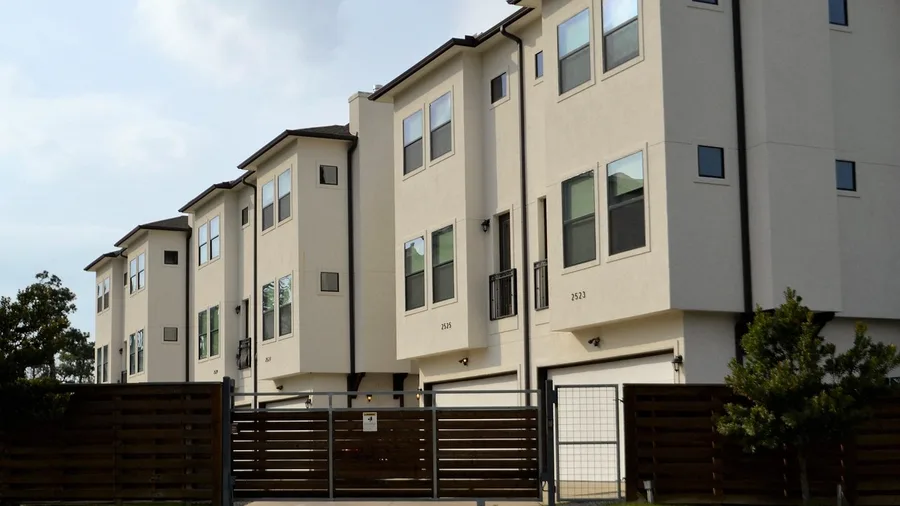
Pool your family savings and credit to purchase a duplex or triplex under a single joint mortgage. Separate entryways and dedicated utility sub-meters keep daily boundaries intact while avoiding disputes over electric and water bills.
Splitting a single property note between households keeps monthly overhead low and sidesteps the $4,800 monthly base rent typical of assisted living facilities. You get proximity for daily check-ins without sacrificing independence, creating built-in support under one shared roof without commercial facility overhead.
Draft a formal co-ownership agreement before closing that details property exit clauses and buy-out formulas. If clinical needs eventually require hospital-grade care, having predetermined terms prevents financial paralysis.
First-Year Upfront Cost Comparison
ADU costs average $95,000 once and build equity; nursing homes cost $108,000 every single year.
Community and Managed Care Models
Decentralized care models integrate neighborhood living with professional health support to maintain daily safety outside institutional facilities.
Combining licensed daytime centers, state-administered managed care programs, and shared neighborhood aides covers medical needs at roughly half the cost of traditional nursing facilities. These programs keep seniors connected to their local communities.
5. Move to a Small Residential Board-and-Care Home

At $4,200 per month all-inclusive, a residential board-and-care home saves $4,800 every month compared to the $9,000 median cost of a private nursing home room. These neighborhood houses host just 4 to 6 residents, offering home-cooked meals alongside dedicated staff who assist with bathing, mobility, incontinence, and medications.
Always inspect the regulatory record before touring.
Check your state health and licensing agency database to pull public inspection reports, substantiated complaint logs, and past citation histories. Reviewing these state records twice a year keeps staffing ratios transparent and confirms ongoing compliance with state safety rules.
Board-and-Care — Operational & Contract Details
👥 Typical Staff Ratio
1 caregiver per 3 residents daytime
📋 Contract Terms
Month-to-month with 30-day written notice
🧴 Excluded Costs
Prescription copays and personal toiletries
🚪 Room Layout Delta
Private rooms run $500 to $800 more than shared
⚠️ Care Ceiling
Discharge triggered if 24/7 skilled RN is needed
Pre-Signing Step
Verify whether overnight staff is awake or on-call, and confirm the home holds an active hospice waiver for end-of-life care.
6. Combine Adult Day Programs with Night Home Care

You can stay home by combining day programs with evening aide support.
Adult day care centers charge an average of $90 per day, coming to $1,950 a month for five weekdays of service. That daily rate covers prepared meals, social activities, physical therapy exercises, and staff-monitored medication management. For family caregivers working standard business hours, the center provides reliable respite while keeping seniors mentally alert, active, and connected to peers.
Most licensed adult day health facilities include door-to-door wheelchair-accessible van transportation within that standard daily rate, handling both the morning pickup and the late-afternoon return trip without extra billing or complex family logistics.
Managing two distinct care schedules is the real trade-off.
Getting dressed and ready for an early van arrival requires real daily effort, and coordinating separate services takes ongoing oversight. A daytime facility also leaves late-afternoon and evening hours uncovered. When personal hygiene, dinner preparation, and safe transfers into bed require physical assistance, families must arrange a second stream of private care at home.
A part-time home health aide solves that evening gap.
Hiring an in-home aide at $30 per hour for 20 hours each week adds $2,600 per month to the budget. Combining the $1,950 day program with the $2,600 evening aide produces full daytime and evening care for $4,550 a month, cutting the $9,000 monthly expense of a private nursing home room cleanly in half.
You trade the convenience of single-facility living for the work of managing two separate providers. In return, an older adult stays in their own home and preserves roughly $4,450 every month in hard-earned retirement assets.
🗓️ The Dual-Provider Setup Protocol
Synchronize Medication Orders
Request dual physician authorization forms so day center nurses and evening aides have clear legal clearance for daily doses.
Pad the Return Handoff Window
Schedule the home aide to arrive 30 minutes before the afternoon transit window to prevent unattended drop-offs.
Deploy a Shared Kitchen Binder
Maintain a single countertop log where day staff and evening aides cross-record vitals, fluid intake, and toileting notes.
Bank Emergency Flex Hours
Retain 4 to 6 backup agency hours per month to cover traffic delays, transit breakdowns, or center holiday closures.
7. Enroll in PACE to Keep Comprehensive Care at Home

PACE serves adults aged 55 and older who meet state-certified nursing home eligibility criteria.
Funded through Medicare and Medicaid, the model covers primary care, occupational therapy, prescription drugs, day center attendance, and personal care aides under a unified system. The main trade-off is provider choice: participants must swap their private doctors for PACE-employed medical providers and designated community health clinics.
Enrollment remains strictly limited to specific local zip codes served by active centers, making geographic location the deciding factor.
💡 Tip: Check your zip code on the national PACE directory to confirm whether an active organization serves your neighborhood.
8. Pool Neighbors into a Home-Care Cooperative

I spent weeks assuming getting daily help meant draining a bank account alone or leaving home completely.
When regional assistance programs are unavailable in your zip code, two or three adjacent households can jointly hire a certified aide for a 40-hour week at $30 an hour. Splitting that $1,200 weekly wage cuts individual costs down to $400 or $600, with staggered visits covering morning bathing, hot lunches, and evening check-ins across the block.
Because direct employment requires filing quarterly employer payroll taxes and buying workers' compensation insurance, run payroll through a shared service. Just establish an on-call agency contract or neighborhood backup roster for when your regular caregiver takes sick leave.
Frequently Asked Questions
How much does a private room in a nursing home cost compared to home care?
A private nursing home room carries a median national cost of $9,000 per month, or $108,000 per year. In contrast, combining an adult day program with a part-time home health aide averages $4,550 monthly, while residential board-and-care homes average $4,200.
What is the primary difference between assisted living and a board-and-care home?
Assisted living facilities typically house dozens or hundreds of residents in large complexes, charging an average $4,800 base rent plus tiered care fees. Board-and-care homes operate out of standard single-family residential houses with only 4 to 6 residents and all-inclusive flat pricing.
Who qualifies for the PACE program?
Participants must be at least 55 years old, certified by their state as meeting nursing home level of care criteria, and live in a designated zip code served by a local PACE organization.
How do families legally handle taxes when sharing a private caregiver?
Direct-hire caregiver co-ops require registering for an Employer Identification Number (EIN) with the IRS, withholding and filing quarterly payroll taxes, and securing state-mandated workers' compensation insurance.
Can an ADU conversion really pay for itself in under a year?
Yes. An average garage or basement ADU conversion costs $95,000 upfront. Compared against nursing home costs of $9,000 every month, the renovation reaches full cash breakeven in less than eleven months while adding permanent home value.
Matching Care Models to Your Mobility and Legal Needs
Match the living arrangement to exact functional needs: use home-sharing or an ADU for mild support, adult day care or a residential board-and-care home for moderate supervision, and PACE or a care cooperative for advanced daily assistance.
Before committing funds, altering property, or signing care contracts, execute durable financial and medical power of attorney documents so legal authority is firmly locked in place.
Needing help with daily life never has to mean defaulting to an institutional nursing home. Structuring property-level and community care protects hard-earned savings, preserves personal dignity, and keeps long-term control in your hands.
Review Your Monthly Care Budget Today
Compare your current monthly expenses against the care model breakdown above to choose the most affordable option for your family.