

Miscalculating the pre-Medicare healthcare bridge can burn through $70,000 in private premiums and break an early exit before it even begins.
When I walked away from project management in suburban Ohio at age 60, I carried a paid-off home and a $1,100,000 portfolio across my 401(k), traditional IRA, and taxable brokerage. I treated early retirement like an open-ended vacation, but heavy insurance costs and the sudden loss of daily structure proved otherwise.
Twelve years later, our annual spending dropped 21% while our balance reached $1,240,000. Early retirement works when you deliberately fund that initial five-year gauntlet until cheaper routines, Medicare, and delayed Social Security step in to stabilize the rest.
| Expense Category | Age 60 Spending | Age 72 Spending | Primary Reason for Shift |
|---|---|---|---|
| Health Coverage | $13,800/yr | $5,760/yr | Shifted from private unsubsidized bridge plan to Medicare and supplement |
| Travel & Leisure | $18,500/yr | $6,200/yr | Traded multi-week international trips for regional drives and local clubs |
| Home Maintenance | $3,200/yr | $7,400/yr | Hired contractor services for yard care and paid major structural replacements |
| Daily Living & Food | $19,500/yr | $16,800/yr | Cooked more meals at home and reduced high-end restaurant dining |
| Fixed Utilities & Taxes | $13,000/yr | $17,840/yr | Absorbed local property tax inflation while base housing remained debt-free |
The Pre-Medicare Healthcare Bridge Drained the Most Initial Cash

Buying private health insurance before turning 65 was easily the most aggressive cash drain of our early retirement. My wife and I paid $1,150 every month, handing over $69,000 across five bridge years.
Beyond the fixed monthly bill, those bridge plans carried steep deductibles that generated constant worry. A single sudden illness or emergency room visit threatened to obliterate our annual travel and entertainment budget. The relief arrived at 65, when enrolling in Medicare Part B plus a supplemental policy dropped our combined outlay to $480 a month.
That single milestone created $670 in monthly breathing room.
If you retire five years before Medicare, ring-fencing a liquid cash reserve is mandatory. Setting aside that bridge money in advance protects your retirement portfolio from forced equity sales during a down market, keeping your long-term investments intact while you pay retail rates for basic coverage.
Without that dedicated cushion, unpredictable private premiums can derail your early drawdown plan before you even settle into the rhythm of post-work life.
Managing the Pre-65 Gap — Practical Benchmarks
🏦 Reserve Account Vehicle
High-yield savings or rolling 1-yr Treasuries
🛡️ Annual Deductible Cushion
Keep $8,000 to $10,000 liquid beyond premiums
📅 Medicare Sign-Up Window
Begins 3 months before 65th birth month
📊 Drawdown Tax Strategy
Manage MAGI to stay under ACA subsidy cliffs
Annual Action
Audit specialist networks and drug formularies every November during open enrollment to avoid surprise out-of-network bills.
Spending Naturally Slowed After the Initial Travel Binge

Retirement spending does not remain at peak levels forever, because our household budget naturally drifted downward once the initial novelty of open-ended free time wore off.
At age 60, our annual spending ran at $68,000 as we threw ourselves into European river cruises, long-haul cross-country road trips, and top-tier outdoor equipment. By age 72, that annual figure fell to $54,000. Twelve-hour flights, complicated multi-week itineraries, and constant restaurant dinners simply lost their charm as our daily preferences changed.
We found better satisfaction closer to home.
Inexpensive local pursuits took over without any feeling of sacrifice or penny-pinching. Tending a backyard vegetable garden, volunteering with our community theater, and hosting neighborhood book clubs filled our calendar far better than airport terminals ever did. Our daily life became quieter, more centered around our immediate community, and substantially cheaper to maintain each month.
Financial plans that assume thirty years of constant, inflation-adjusted travel spending fundamentally overestimate what life in your seventies demands. Your physical energy tapers off naturally, and your spending habits comfortably adjust right along with it.
The 12-Year Financial Evolution
How primary metrics shifted from retirement day to age 72
Waiting Until Age 70 for Social Security Completely Stabilized Cash Flow

Holding out until age 70 to claim Social Security was completely worth the heavier portfolio withdrawals we had to shoulder throughout our sixties.
From age 60 to 70, our investments carried our entire baseline cost of living. We pulled a steady 3.5% to 4% withdrawal rate each year to bridge that ten-year divide, watching the portfolio do all the heavy lifting while we waited for our maximum delayed retirement credits to accumulate.
The financial payoff arrived the month I turned seventy.
Delaying our combined claims produced a guaranteed monthly payout of $4,100, which covers almost all of our $4,500 baseline monthly budget at age 72. Our annual portfolio withdrawal rate immediately plunged below 1%, wiping away the anxiety of market pullbacks and sequence-of-returns risk right when our risk tolerance was shrinking.
Absorbing higher portfolio drawdowns early bought us total peace of mind against outliving our savings. That reliable income floor now shields our remaining assets and lets us sleep cleanly every night.
💡 PRO TIP
The Longevity Hedge That Worked
Delaying Social Security until age 70 gave us an 8% guaranteed annual benefit increase for every year past full retirement age. That single move permanently shielded our seventies from stock market downturns.
Unexpected Maintenance Bills Replaced Career-Related Expenses

Dropping daily career costs like commuter gas, dry cleaning bills, and professional work clothes freed up real room in our monthly budget, but our aging house quickly found a way to claim it.
Houses decay on their own schedule.
At age 68, our original furnace quit during a bitter January freeze, and the asphalt roof began leaking into the attic that spring. Paying $14,000 for a new HVAC unit and full roof tear-off in the same calendar year was a sharp reminder of how capital repairs replace career overhead.
Aging in place safely means earmarking 1% to 2% of your home's total market value each year into a separate reserve specifically for mechanical failures and major contractor work.
If you redirect the cash you once spent on commuting into that liquid repair bucket, you prevent sudden structural emergencies from disrupting your core portfolio withdrawals. It turns a potential financial crisis into an ordinary check you were already prepared to write.
Plan for the breakdown before it happens.
Expense Realities: Age 60 vs. Age 72
Active Phase (Age 60)
- High health insurance premiums ($1,150/mo)
- Aggressive international travel spending
- DIY home maintenance and yard projects
- 100% reliant on investment withdrawals
- Volatile out-of-pocket medical spikes
Settled Phase (Age 72)
- Affordable Medicare coverage ($480/mo)
- Low-cost regional leisure and local hobbies
- Paid contractor services for ladder and yard work
- Social Security covers 90% of basic expenses
- Stable portfolio balance requiring <1% draw
The Novelty of Open Schedules Faded Within Eighteen Months

The feeling of being on permanent vacation completely dissolved around month eighteen, leaving behind a hollow space where decades of professional identity and project milestones used to live.
Total freedom turned out to be paralyzing.
Floating through unstructured mornings with television, casual reading, and vague afternoon plans led directly to lethargy throughout our second year. Without clear targets or deadlines, the weeks lost their texture, and I felt more mentally depleted than I ever did during forty-hour workweeks at the office.
I had to rebuild routine.
I set hard daily anchors: a 7:30 AM gym session, dedicated midday hours in my woodshop, and fixed Tuesday meetings with a local civic committee. Those commitments restored a healthy rhythm, proving that retirement planning requires an operational schedule for your time just as much as a portfolio withdrawal model.
Without a deliberate framework for your days, the freedom you spent forty years saving for can quickly turn into aimless drift.
⏳ The 12-Year Retirement Arc: What Changes When
Years 1–2: The Honeymoon & Structure Shock
High travel spending peaks while open schedules transition from exciting freedom to an aimless routine.
Years 3–5: The Pre-Medicare Slog
Absorbing private health premiums requires discipline until Medicare eligibility unlocks at age 65.
Years 6–9: Home Repairs & Social Pivots
Major structural home replacements occur while workplace friendships fade into community-based connections.
Years 10–12: Income Lock & Legacy Focus
Delayed Social Security stabilizes cash flow, shifting financial goals toward family gifting and simple living.
Social Circles Required Deliberate Rebuilding as Peers Aged

Work friendships that felt lifelong vanished within thirty-six months of retiring, proving that most office relationships are built entirely on sharing the same physical building each day.
Losing those casual connections happens fast.
As we moved into our seventies, our remaining social circle shrank even further as longtime peers dealt with mobility limits, chronic health issues, or moved out of state to live closer to their grandchildren. Waiting for the phone to ring simply meant watching our community quietly evaporate year after year.
I had to become deliberate about making new friends by joining a local multigenerational woodshop co-op and serving on our town's historical society board alongside people twenty years younger.
A durable retirement requires constantly replenishing your personal circle with younger, active, and geographically rooted neighbors. Staying socially connected does not happen by accident after 70; it takes the same active management and steady reinvestment you give to your own investment portfolio.
Community requires real effort to maintain.
Outsourcing Physical Chores Became an Essential Safety Investment
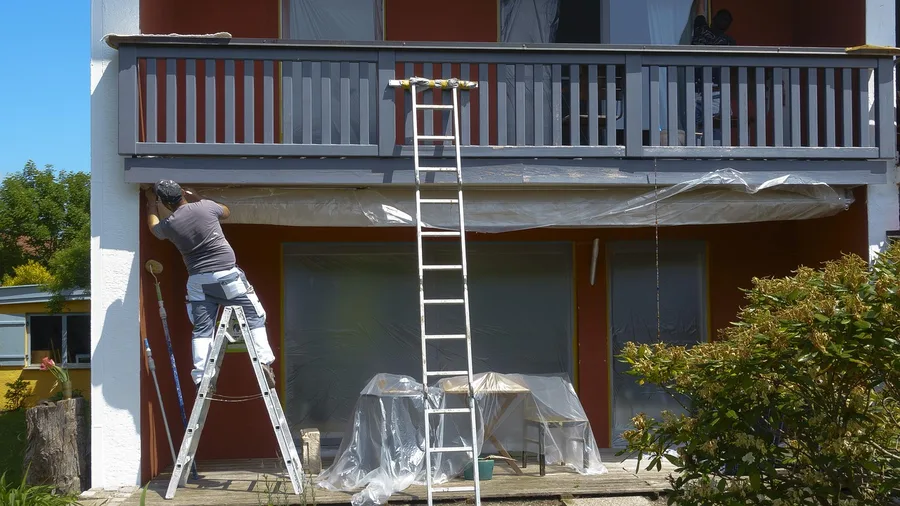
Handing over our regular home maintenance to paid contractors became necessary when physical risks began outweighing the small cash savings of doing the work myself.
At age 60, clearing two stories of gutters and hauling heavy fallen branches after a spring storm felt like satisfying Saturday exercise. By age 72, standing on an extension ladder with a leaf blower was pure physical hazard, where one slip meant months of rehab or permanent loss of mobility.
A severe fall destroys your independence overnight.
We now spend $250 every month for professional mowing, seasonal gutter clearing, and heavy yard cleanup across the spring and fall. Setting aside those dollars felt uncomfortable at first, but viewing the cost as an insurance policy against orthopedic injury removed the lingering guilt of not doing home labor with my own hands.
Your long-range retirement numbers cannot rely on permanent sweat equity. Building room for paid service labor gives you the safety margin needed as agility and balance naturally change in your seventies.
Budget Composition at Age 72
How our $4,500 monthly baseline spending is funded and allocated
The Focus Shifted From Wealth Accumulation to Legacy and Presence

My relationship with our balance sheet flipped completely once the fear of running out of money evaporated.
I spent twelve years pulling cash out at a conservative 3.5% to 4% clip, yet broad market gains lifted our total nest egg from $1,100,000 at sixty to $1,240,000 by seventy-two. Seeing that number climb rather than sink created a strange cognitive dissonance.
Hoarding money had become a hardwired reflex.
Breaking four decades of relentless accumulation took real, deliberate practice. My wife and I had to actively teach ourselves to deploy capital instead of watching the digital ledger tick up, choosing to direct surplus funds where they could make an immediate difference for our kids and grandkids.
We started funding 529 education accounts for each grandchild and wrote checks for a rented lakeside cabin so the whole family could gather for a week every July.
Those shared dinners and quiet boat rides delivered far more genuine value than an extra $50,000 sitting idle in a brokerage account. In your seventies, money is simply fuel for family presence while your body still cooperates.
Frequently Asked Questions
How much cash should you hold if you retire before age 65?
Plan to hold enough liquid cash to cover two to three years of private health insurance premiums and core living expenses. That buffer prevents you from selling equities at a loss to pay high private bridge premiums during an unexpected market downturn.
Is delaying Social Security until age 70 always the best move?
Delaying to 70 works exceptionally well if you have sufficient portfolio assets to cover your sixties and expect average or better longevity. The guaranteed 8% annual increase past full retirement age provides an unmatched, inflation-protected income foundation in your seventies.
What is the biggest unexpected expense in a 10-plus year retirement?
Major home infrastructure repairs like roof replacements, HVAC units, and plumbing overhauls tend to bunch together. Budgeting 1% to 2% of your home's value annually in a dedicated high-yield savings account keeps structural surprises from straining your monthly cash flow.
Does retirement spending really decrease as you get older?
For most households, active discretionary spending drops naturally between age 65 and 75 as international travel and frequent dining out taper off. While healthcare and home service costs increase slightly, total baseline spending is often lower in your seventies than in your early sixties.
Building a Durable 12-Year Transition Plan
Before handing in your badge, carve out an isolated five-year liquid bridge to absorb private pre-Medicare premiums and fund your most physically demanding travel while your stamina peaks. Surviving those early drawdown pressures with our $1,100,000 portfolio bought us the freedom we enjoy today.
By age 72, lower living expenses, Medicare, and delayed Social Security lock in your floor. Look at your balance sheet today not just as investment principal, but as the fuel to secure your first five years of health coverage and purposeful time.
Audit Your Pre-Medicare Cash Cushion
Review your household healthcare and travel assumptions against our 12-year spending table to ensure your bridge plan holds up.