

Yes, landlords in their early sixties are selling the paid-off rental, and the reason is the phone, not the market.
Take the Columbus house bought in 1998 for $180,000, appraised now at $520,000 and rented at $2,650 a month, mortgage gone since 2019. At 63 the owner spends six hours a month on it and eats a turnover every 18 months. That $31,800 collected is not $31,800 earned: property tax, insurance and maintenance take $11,500, one vacant month takes $2,650 more, and the house nets about $17,650, or roughly $1,470 a month before income tax.
Sell at $520,000, pay the $36,400 in commissions, title and closing, and about $483,600 is left before taxes, enough to target close to $19,000 a year in income. That trade only works once a CPA prices the tax and depreciation and once you know you are not the owner who should keep the deed.
By the end you can pick keep, sell or hire a manager at roughly $220 a month. The first move is the same either way: the CPA's written exit number and a manager's written quote, both before any listing agreement.
Quick Tips Before You Start
Work from net, not gross
Never compare the $2,650 rent check to portfolio income. Compare the $17,650 that survives costs and vacancy.
Get the exit number in writing
A CPA's written after-tax proceeds figure, before the listing agreement goes anywhere.
Get a manager quote
One written $220-a-month quote turns "keep it or sell it" into a real third option.
Check the tenant's lease date
A tenant in year nine changes the math entirely. Know the renewal date before you decide.
Separate the reserve now
Whatever you choose, $40,000 that is not the house and not the checking account buys you two years of decisions.
Why the sell decision arrives at 60

This is the decade when the numbers stop being the whole story. The rent still clears. The house still stands. What changes is how much of your week the thing owns, and how much of your capital sits in one address.
The five points below set the baseline: the true net, the real cost of a tenant leaving, the hours, and what half a million dollars in one house can and cannot do.
1. The rent check is not the profit
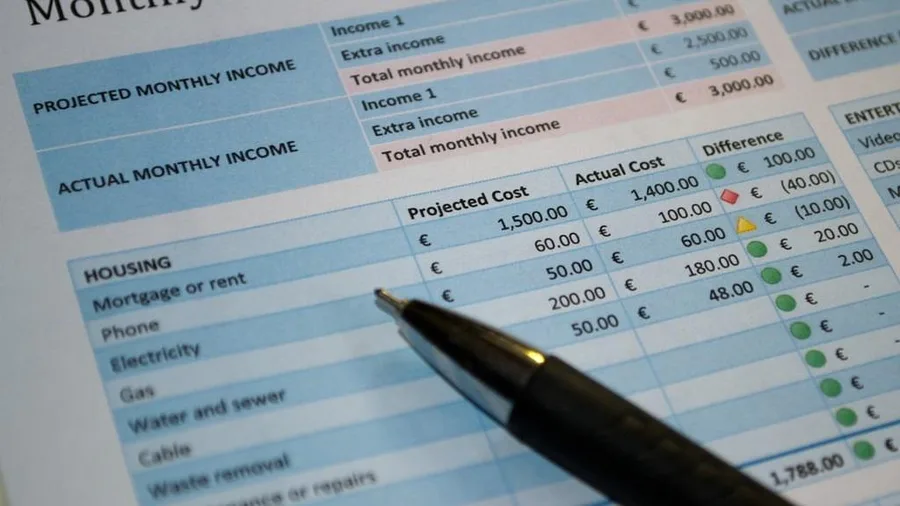
The rent check is gross revenue, not profit, and almost every owner who is thinking about selling compares the wrong number to the wrong number.
Take the Columbus house. The tenant writes $2,650 on the first of the month, and over twelve months that is $31,800 landing in the account. The county takes $6,200 in property tax, the insurer takes $1,900, and the furnace, the water heater and the gutters take $3,400 in maintenance and repairs. That is $11,500 gone before income tax, and then the house sits empty for one month at $2,650 while the paint dries and the listing runs. What is left is about $17,650, or roughly $1,470 a month in the owner's pocket.
That gap between $31,800 collected and $17,650 kept is where the mental accounting slips, and it matters because the portfolio that replaces this house targets about $19,000 a year. Against the rent check, $19,000 looks like a pay cut. Against the real net, it is a small raise with fewer phone calls. Run the same subtraction on your own house before you compare anything, and if your annual costs genuinely sit under $8,000, your net is closer to gross than this example and the rent check is closer to what you actually spend.
💡 Tip: Pull the last twelve months of bank statements for the rental account and add up every outflow. Owners routinely miss insurance and the small repairs.
| What you compare | Keep the rental | Sell and reinvest |
|---|---|---|
| Gross income | $31,800/yr collected | Not applicable |
| Costs before income tax | $11,500 plus one vacant month | Fund expenses only |
| Net income | About $17,650/yr | About $19,000/yr target |
| One-time exit cost | $0 | About $36,400 |
| One bad year | $7,150 turnover bill | Dividends can be cut |
| Access to the money | 60-90 days to sell, discount if rushed | Sold in pieces any day |
| Monthly admin | About 6 hours plus calls | One draw, one annual review |
| Concentration | One house, one tenant | Multiple holdings, no tenant |
2. One turnover costs five months of income

The dread when a good tenant gives notice is usually about re-leasing. The bill is bigger and quieter than the empty weeks suggest.
Turnover work on the Columbus house runs about $4,500: paint, flooring, cleaning, listing photos, the small repairs the inspection turns up. Add the vacant month at $2,650 and the move costs roughly $7,150. Against $17,650 of net rent that is about five months of income gone in one tenant change, and in this example it happens every 18 months, so twice in three years.
Do the move now, before the next notice: pull the last two turnovers, total the work and the vacancy, and set that figure next to the annual net. It tells you whether the house is really earning what the rent check implies.
Set against the $19,000 a replacement portfolio is built to produce, one turnover bill equals about 38% of a year's income, and there is no vacancy line in a brokerage account. The counterweight is real, though: a tenant who renews for nine years never triggers the bill, and that changes the keep math entirely.
⚠️ COMMON MISTAKE
Do not budget the turnover as if it were small
Owners mentally spread the $7,150 over eighteen months and it feels like $400 a month. It does not arrive that way. It arrives as one invoice in a month when nothing else is easy, and that is what makes it feel like a second job.
3. The work lands in the decade you slow down

The worry is that handing the house to a manager means giving up the asset. It doesn't. A manager quote is a cheap way to find out what the hours are worth before you decide anything permanent.
Six hours a month at 63 is the rent check, the furnace call, insurance shopping, the city inspection. At 73 the same six hours means climbing a ladder and deciding whether the roof is a $9,000 problem this year or next. The tasks do not grow, but the body doing them changes.
The local manager quoted about $220 a month, plus a markup on repairs. That is roughly $2,640 a year against $17,650 net, leaving about $15,000. The phone stops ringing at midnight; the turnover bill and the roof decision stay yours.
Start with a single month, not a contract. Hire the manager for 30 days and write down what actually came off your plate and what didn't. If $220 buys back the hours you resent, that is $220 well spent even if you sell in a year.
The small version counts here too. Even handing over the tenant screening and the repair calls while keeping the books yourself trims the load without handing over the whole asset. Nothing about a manager is all or nothing.
What the manager cannot do is lift $15,000 of net income to the $19,000 a portfolio is built to produce while the turnover and roof risk stay on your side of the ledger. It solves the hours, not the math.
If you live ten minutes away, like the work and have a tenant in year nine, the six hours may not be a burden at all. A manager there is money spent fixing a problem you don't have.
The $2,650 Check, Sorted
Where the rent goes in this Columbus example, before income tax
Figures from this article's worked example. Your own tax, insurance and vacancy rates will differ.
4. Equity stuck doing a job cash could do better

Price the speed before you price the return. The $520,000 sitting in that Columbus house throws off $17,650 a year and cannot become cash by Friday – a real closing runs 60 to 90 days, and if the money is needed sooner, the price drops to make it move.
The same $483,600, split across a brokerage account and a Treasury ladder, is built to pay about $19,000 a year and comes apart in pieces – sell a slice in a week, leave the rest alone. That is the trade at 63, before the first roof call: one asset, one tenant and a slow exit against many assets with no tenant and a fast one.
What the deed still holds is real. Bought at $180,000 in 1998, it has climbed on paper and carried a depreciation shelter the portfolio has no version of. If the plan is to keep collecting that for twenty more years, this swap is not for you.
What the money carries, either way
Keep the rental
- One tenant, one address, one roof decision
- Appreciation plus the depreciation shelter
- 60-90 days to turn it into cash
- About 6 hours a month plus the 2 a.m. furnace call
- One turnover every 18 months, about $7,150 each
Sell and build the portfolio
- Many holdings, no tenant, no phone
- About $19,000 a year drawn $4,750 a quarter
- Sold in pieces on any business day
- One annual review and one tax form
- Market risk and dividend cuts, no vacancy line
What the money buys instead

Here is the part the sell decision usually skips. The proceeds do not sit in a savings account gathering dust, and they do not buy another house. They buy a different kind of job for the same capital: income you schedule rather than income you chase.
The three points below cover what replaces the rental, how the money gets split, and how a draw actually arrives in your checking account.
5. The proceeds buy income, not another house

The common belief is that cashing out a rental means buying another one – smaller, closer, easier to manage. It does not, and the second house just moves the roof and the tenant to a different address.
The first time I ran those exit numbers on paper, the closing statement was the part that stopped me: about $36,400 gone to commissions, title and closing on a $520,000 sale, leaving roughly $483,600 before a dollar of tax.
That remainder is not a down payment. It lands in a brokerage account and a Treasury ladder, with the same goal as the rent checks it replaces – about $19,000 a year. Only the delivery changes, from twelve deposits to four draws.
The exchange route into managed property still exists, and a CPA prices it beside the plain sale. It is a question, not a default. What gets traded either way is tenant and roof risk for market risk and underwriting, and that comes down to which one you can sit through at 63.
Same income, fewer phone calls – that is the whole swap.
6. Three buckets replace one rental

I remember spreading a half-sheet of paper on the kitchen table with three lines drawn on it, because two years of draws cannot ride on whether the market is up in April you sell.
The lines are not equal. $40,000 sits in a money market for surprises, $200,000 goes into a Treasury ladder for scheduled cash, and $243,600 sits in a broad dividend index fund plus a small REIT sleeve that keeps some property exposure without a tenant or a phone call. One rental was trying to do four jobs at once, and now each job gets its own bucket with its own cost. Cash and maturing rungs fund the draws, so no sale is forced in a bad month, which is the thing that actually keeps the plan alive.
The downside is real and worth saying: you are now responsible for the mix, the rungs and the rebalancing, and returns carry no promise. It still beats holding one asset you cannot sell in a hurry.
Three Ways the $483,600 Can Run
Same capital, same $19,000 income target, three different jobs
7. The draw arrives quarterly, without a phone call

On the first business day of each quarter, $4,750 moves from the plan into your account – January, April, July, October – and that is $19,000 across the year, against the $2,650 rent check that used to land twelve times a year. Same annual figure, four deposits instead of twelve.
The order is what keeps it steady. The $40,000 money market reserve pays first, because it earns a little and never has a bad month. When a rung of the $200,000 Treasury ladder matures, it refills the reserve rather than going back into the fund on whatever day the market happens to have that week. At $19,000 a year in draws, that $40,000 covers roughly two years of payments – the same cash bucket rule that lets you go twenty-four months without being forced to sell anything into a down market.
Then there is the part you did not have with the rental. The work left over is scheduled work. Once a year you sit down and look at the balances, refill what needs refilling, and confirm the draw still covers what you need. Once a year a tax form arrives and goes to the CPA. That is it. No furnace call at eleven on a Sunday, no tenant asking why the water heater sounds like that.
Compare the calendars honestly. The house gave you six hours a month, every month, whether or not anything broke – plus a turnover every year and a half. The portfolio gives you one review and one form. A quarterly deposit is not better than a monthly rent check because it is bigger; it is better because nothing has to be asked for, chased, or argued about to make it appear.
Set one calendar reminder for the first of each quarter to confirm the deposit landed, and one annual date to review. Then leave the rest alone – the less you touch it, the more it behaves.
💡 Tip: Put the quarterly draw date on the same calendar day as a bill you already pay, so you notice if one is missed.
🔑 From listing agreement to the first draw
Get the exit number
A CPA puts the after-tax proceeds in writing before the listing agreement is signed.
Get the manager quote
One written quote at about $220 a month, so keeping the rental is a priced option, not a feeling.
List and close
Expect 60 to 90 days; about 7% of the price, roughly $36,400, goes to commissions, title and closing.
Fund the reserve
$40,000 goes into a money market account the week the money lands.
Build the ladder
$200,000 into Treasury rungs timed to the next several years of draws.
Invest the rest
$243,600 into a broad dividend index fund plus a small REIT sleeve.
Take the first draw
$4,750 on the first of the quarter, cash first, then the maturing rung.
What it costs, and who should keep the deed

Now the uncomfortable half. Selling is not free, and the portfolio is not a promise. Both sides carry risk, and the only useful question is which risk you can carry at your age with your tenant and your obligations.
These last three points price the exit, name what can go wrong after the sale, and then give the keep profile its fair hearing.
8. The exit bill is paid once, so price it first

About 7% of $520,000 leaves the table before you see a dollar of it: roughly $36,400 in commissions, title work and closing costs, which puts about $483,600 in your hand before taxes. That is the number the whole comparison rests on, not the $520,000 on the appraisal.
And that is before the IRS asks its question. This house was bought in 1998 for $180,000 and has been depreciated for years; capital gains, the depreciation you already took, and whether any of it rolls into another property through a 1031 exchange are calculations you should not run on the back of an envelope. The forms are specific, the rules have edges, and the difference between the correct number and a guessed one can run to five figures.
So the setup here is not a spreadsheet you fiddle with. It is two documents you order once, early. First, a written exit number from a CPA – after-cost, after-tax dollars, in one figure on one page. Second, a priced comparison of the plain sale against the 1031 route into managed property, done before you sign anything.
Then you leave the tax math alone. You do not re-run it in your head at night, you do not accept a buyer's agent's guess as good enough, and you do not let a listing agreement get signed while the number is still fuzzy. The gate order is fixed: CPA letter, manager quote, then the listing.
A guessed tax number is the most expensive mistake in this whole move, because it is the one that quietly invalidates every other calculation. If you think you are netting $483,600 and you are really netting $430,000, the $19,000 income target gets tighter and the keep-or-sell answer can move.
The honest comparison is the after-cost, after-tax proceeds against the $17,650 that the house nets now – never the headline price against the rent. One is what the asset sells for. The other is what you actually get to put to work.
Get the CPA's letter this month. It costs a few hundred dollars and it decides everything that follows.
💡 Tip: Ask the CPA for the number both ways: plain sale, and 1031 into a managed property. The gap tells you what the exchange is really worth to you.
What The Exit Still Has To Cover
📊 Basis to recover first
$180,000 plus years of depreciation
🧾 Depreciation recapture
Taxed separately from the gain – CPA's number
🔁 What the $483,600 must replace
$17,650 a year of net rent
🎯 Break-even yield on proceeds
About 3.7% to match the rent
⏳ 1031 clock once you close
45 days to identify, 180 to buy
🚪 Skip the 1031 if
You want the cash income, not another deed
The test
Every dollar of tax shrinks the pile that has to throw off $19,000. Order the CPA letter before the listing, not after.
9. The balance will fall even when income holds

An honest answer to what can go wrong after the sale: the monthly income can keep arriving while the account underneath it shrinks. A rough year in the market can take the $243,600 dividend sleeve down 15% or 20% on paper, and the quarterly draws still go out on schedule, which means you are spending from a pot that got smaller while the checks looked the same. That is a different animal from the rent check, which never arrived smaller because the stock market had a bad Tuesday.
Dividends can be cut, too. The board at a company inside a broad dividend index fund can trim or suspend the payout, and nothing mails you a warning six weeks ahead; your $4,750 quarterly draw then has to come harder out of cash and maturing Treasuries. The rent check had its own cruelties, but a dividend cut is the one nobody sits you down for. What keeps this from becoming a forced sale at the bottom is simple arithmetic: the reserve holds $40,000, roughly two years of draws at $19,000 a year, so a bad stretch can be ridden out on cash while the rest recovers. That is the trade you are making: market value and possible dividend cuts instead of a tenant, a furnace and a $6,200 property tax bill on a house that dropped in value in 2008 and could not be sold in a month if you needed it to.
Ten years in, ask yourself which wobble you would rather carry. The house wobbles on tenant and roof; the portfolio wobbles on price and payout. Neither one is smooth, and nothing here promises the $19,000 holds forever. It helps to write the answer on the same page as the advisor's numbers.
One session with a fee-only fiduciary, your CPA's exit number on the table, will tell you whether your stomach matches the plan.
10. Keep the rental if this describes you

Most owners who answer no quickly still hold the deed, which is the gap this page is written to catch. Sitting still has a shape, and you can check whether yours matches it. A tenant who is in year nine and renews without a fight, a manager already answering the furnace call, no need to touch the capital before 70, and a real preference for the appreciation and the depreciation shelter are the four marks that make keeping win.
The middle path is the one most owners skip past. Hiring the $220-a-month manager gives up roughly $2,640 of that $17,650, and what it protects is your evenings, not the asset. You trade about 15% of the net to stop being the person the tenants call. The turnover stays. The six hours a month turn into one or two, and the roof decision stays on your side of the table.
What keeping costs is the part to write down honestly, because it does not go away: the turnover every 18 months at about $4,500 plus the vacant month, and some owner time regardless of who answers the phone. Two turnovers every three years is a recurring bill the portfolio side of this decision does not carry.
For the keep case to hold, the work has to be light, the tenant stable, and the capital not needed. When any one of those three breaks, the portfolio's roughly $19,000 a year and the ability to sell a piece on a Tuesday tend to win. If neither answer feels certain, take the numbers to a fee-only fiduciary, someone paid by the hour rather than by the sale, and ask them to run your real tax picture against a plain hold. One hour of that costs a few hundred dollars and settles years of deciding.
💡 Tip: Write down what you would do with the $483,600 if the house sold tomorrow. A blank page is a signal.
Frequently Asked Questions
Am I actually making what the rent check suggests?
Usually not. In this Columbus example the rent collects $31,800 a year and the net is about $17,650 after property tax, insurance, repairs and one vacant month. Pull your own twelve months of statements and write down every outflow. Most owners are surprised by how much the building absorbs.
What does a tenant leaving actually cost me?
In this example, about $7,150: $4,500 of paint, flooring, cleaning and listing plus one vacant month at $2,650. That is roughly five months of net rent. It arrives all at once, which is what makes it feel worse than the annual figure suggests.
Can I just hand this to a manager and keep the house?
Yes, and it is a legitimate third option. A local quote of about $220 a month, plus a markup on repairs, costs roughly $2,640 a year and leaves about $15,000 of the $17,650. That buys back the hours. It does not remove the turnover bill or the roof decision.
What will selling cost me after taxes?
The commissions, title and closing are about 7% of the price, roughly $36,400 on $520,000. The tax is a different animal: capital gains, the depreciation taken since 1998 and any exchange timing depend on your basis and your bracket. Get a CPA's written after-tax proceeds figure before you list.
What can go wrong after I sell?
The balance can fall even while the income holds, and dividends can be cut. That is why the plan holds $40,000 in cash, covering about two years of draws, and takes income from cash and maturing Treasuries before touching anything that might be down.
Should I just do nothing?
If you have a tenant in year nine, a manager already in place, no capital need before 70 and you value the appreciation and the depreciation shelter, keeping the deed is a reasonable plan. Ask yourself whether you would buy this house today at $520,000 to net $17,650. If the answer is no, keeping it is inertia.
Which side of the $17,650 you are on
Keep the deed if your tenant is in year nine, a manager is already in place, and you want the appreciation and the depreciation shelter. Sell if your real complaint is the work, not the market, and you can leave two years of draws untouched in the $40,000 reserve.
Either way, the first move is identical and it happens before the listing agreement. Get the CPA's after-tax exit number in writing, plain sale and any exchange timing both, and get one manager's written quote at about $220 a month plus repair markup. Those two figures decide it.
Then look at the $2,650 rent check again, now that you know it is $1,470 a month after costs and vacancy. The house is a job with an asset attached. Choose whether you want to keep the job or keep the asset, and let that answer settle the rest.
Get the two numbers before you sign anything
Reread #8 and #10, then book the CPA appointment this week and ask one manager for a written quote. Those two figures decide the whole move.