
You look at the calendar and realize the numbers keep moving whether you have a plan or not. The quiet morning coffee tastes different when you start wondering if your savings will actually outlast your working years.
It is easy to feel like you are behind, or that the window for learning new skills closed years ago. That feeling is completely normal, but it is also entirely wrong.
You do not need a massive windfall to build a sharper life after sixty. You just need a few deliberate moves, a bit of consistency, and the permission to start small.
I rebuilt my own routine after a forced career pivot, and the lessons learned along the way shaped every single recommendation on this list. Pick two items to start with, and leave the rest for later.
Quick Tips Before You Start
Start Small
Spend twenty minutes a day on your new focus rather than waiting for a free weekend.
Track Costs
Keep new hobby expenses under fifty dollars a month until you know it sticks.
Embrace Clunkiness
Being bad at something new is proof your brain is building fresh neural pathways.
Protect Cash
Never pull from retirement accounts to fund a fleeting interest or equipment upgrade.
1. Container Gardening on a Sunny Balcony
$30 gets you started.
You might think growing your own food requires an acre of land, expensive specialized tools, and a sprawling backyard setup that takes over your entire weekend.
It does not.
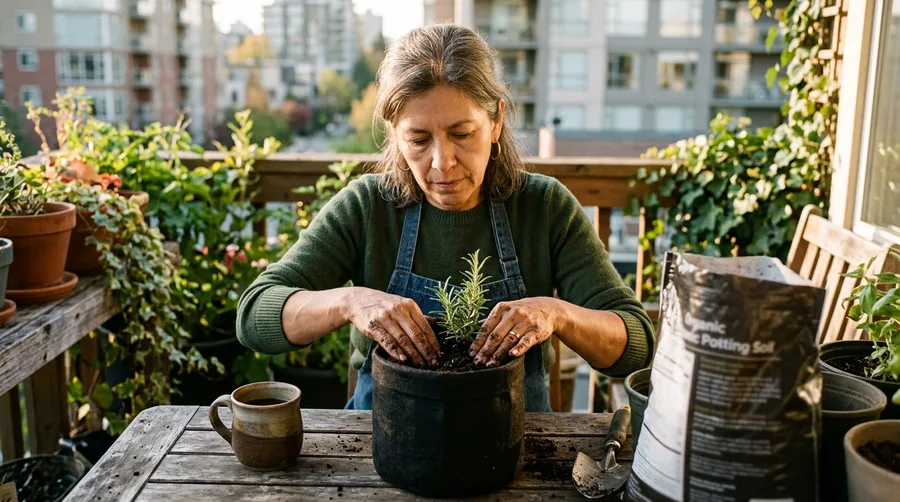
A few fabric pots and a single bag of quality potting soil cost less than thirty dollars total at your local garden center, giving you an affordable gateway into a deeply rewarding hobby without breaking your monthly grocery budget.
tending to living plants actively lowers cortisol and keeps your hands moving with gentle, repetitive physical tasks that soothe a busy mind.
Even twenty-five dollars a month invested steadily in seeds, starter herbs, and basic nutrients does far more for your daily well-being than zero dollars spent waiting around for the elusive perfect yard that may never materialize.
Start small with hardy basil or prolific cherry tomatoes in simple containers right on your sunny apartment porch.
You will harvest fresh food while gaining a tangible, daily reason to step outside into the fresh air.
💡 Tip: Use self-watering planters to save your knees and reduce daily maintenance.
🌱 GROWING TIP
Keep Soil Costs Low
Buy compost in bulk from local nurseries instead of buying small bags at big box stores to cut your dirt budget in half.
2. Digital Sketching on a Budget Tablet
Are you worried you missed your chance to learn art because creative tools cost a fortune? That belief stops people before they draw a single line.
The common mistake is assuming you need professional studio gear to start, which makes the whole hobby feel financially out of reach. In reality, drawing builds visual memory and hand-eye coordination using simple digital tools that cost less than a single traditional art kit.
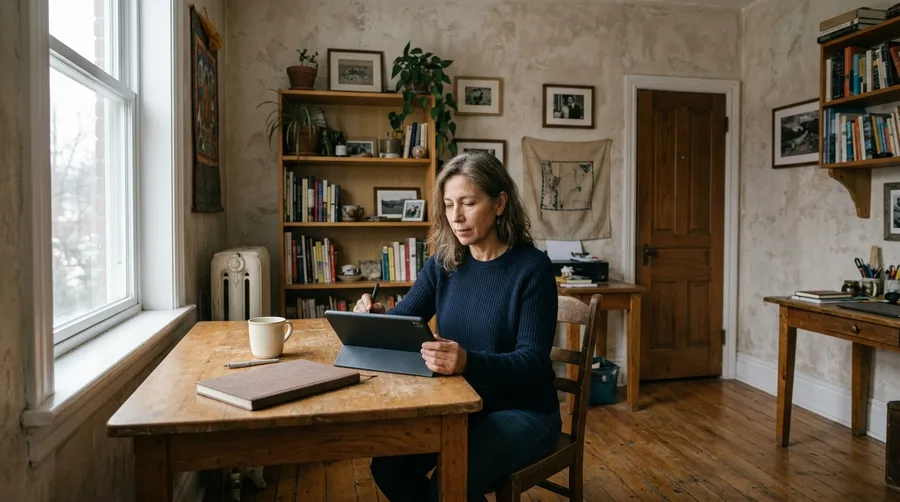
Grab an inexpensive secondhand tablet for around $75 and download a free drawing app to begin. Practice for just fifteen minutes while watching the evening news, and let consistency matter more than perfection.
The Math of Daily Practice
How small time blocks compound into mastery
3. Learning a New Spoken Language Online
People assume memory fades too fast after sixty to pick up a foreign tongue.
That fear keeps a lot of us from even opening an app, as if our brains somehow closed up shop on vocabulary after a certain decade.
It is simply not true, and waiting until next year just wastes time you could spend building mental resilience right now.
Historical data shows consistent language study delays cognitive decline just as effectively as physical exercise.
Use free library apps instead of paying sixty dollars a month for subscription software.
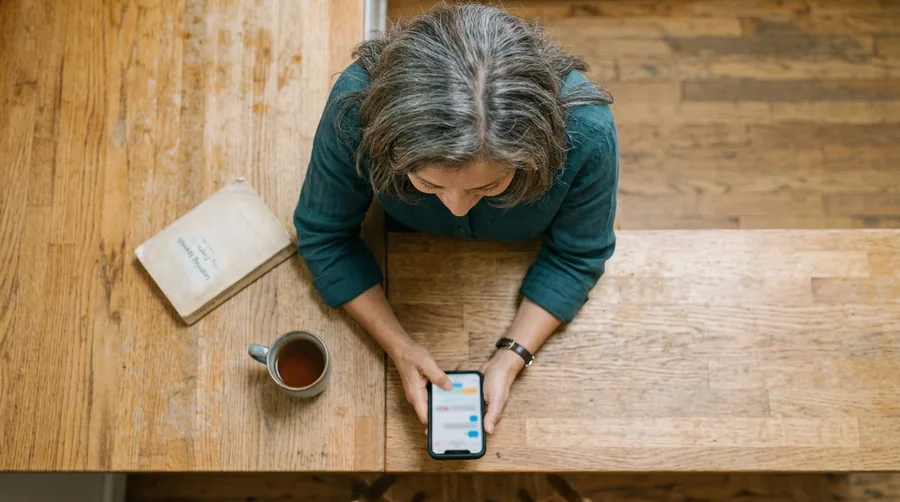
Commit to ten minutes a day on vocabulary flashcards during your morning coffee, because the routine matters more than fluency.
Language Learning Approaches
Do This
- Use free library audio programs
- Practice ten minutes daily
- Focus on practical travel phrases
- Write vocabulary words by hand
Skip This
- Buying expensive software packages
- Studying for two hours once a week
- Memorizing complex grammar charts
- Hiring private tutors immediately
4. Acoustic Guitar Basics at Home
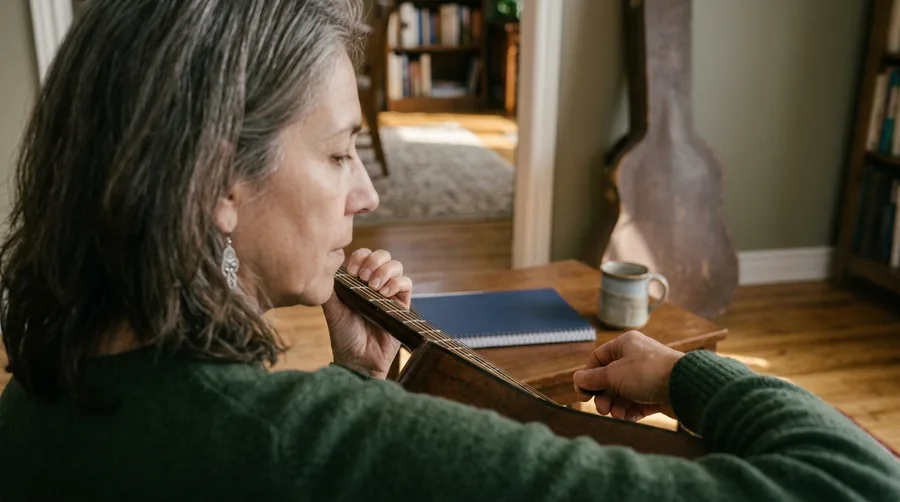
You do not have to perform on stage to enjoy playing music.
Learning chords exercises your finger dexterity and challenges your brain in entirely new ways, keeping your mind sharp without needing an expensive hobby budget.
You definitely do not need a brand-new instrument straight out of a showroom to get started on this. Borrow an instrument from a relative whose guitar is gathering dust in a closet, or buy a used nylon-string guitar online or at a local shop for under one hundred dollars. Nylon strings are much kinder to unconditioned fingers than steel ones, making the early learning curve manageable.
Your fingertips will hurt for the first two weeks, and that physical discomfort is completely normal as your skin builds up the necessary calluses.
Push through the initial soreness with modest five-minute daily sessions rather than exhausting marathon weekend practice blocks. Consistency beats intensity every single time here, allowing your nervous system to build the required neural pathways gradually. Soon enough, your muscle memory takes over and your hands simply remember the shapes without your brain panicking.
The trade-off is very real frustration at the start when your fingers stubbornly refuse to cooperate with the rhythm. But managing to stumble through your first complete song makes all that early annoyance completely vanish.
This week, check local listings for a used guitar under that hundred-dollar ceiling and commit to just five minutes a day.
⚠️ COMMON MISTAKE
Avoid Cheap Steel Strings
Cheap steel-string guitars have high action that tears up untrained fingers. Buy a nylon-string classical guitar instead to save your hands.
5. Lap Swimming for Joint Health

You might worry you are too out of shape to start swimming lanes, but the water takes the weight off your joints so you can just move.
Set your alarm for three mornings a week, pack a towel before bed, and head straight to the local YMCA pool before the morning rush.
Swimming builds cardiovascular endurance without pounding your knees, taking about forty-five minutes per session to stabilize your blood pressure consistently.
Lock the habit into your calendar app right now so you do not have to negotiate with yourself at 6 AM.
Pool Routine — At a Glance
⏱️ Session length
45 minutes
📅 Frequency
3x weekly
💰 Monthly cost
$40 YMCA pass
Best time
Go during early morning lap swim hours to avoid crowds.
6. Writing Memoir Chapters for Family
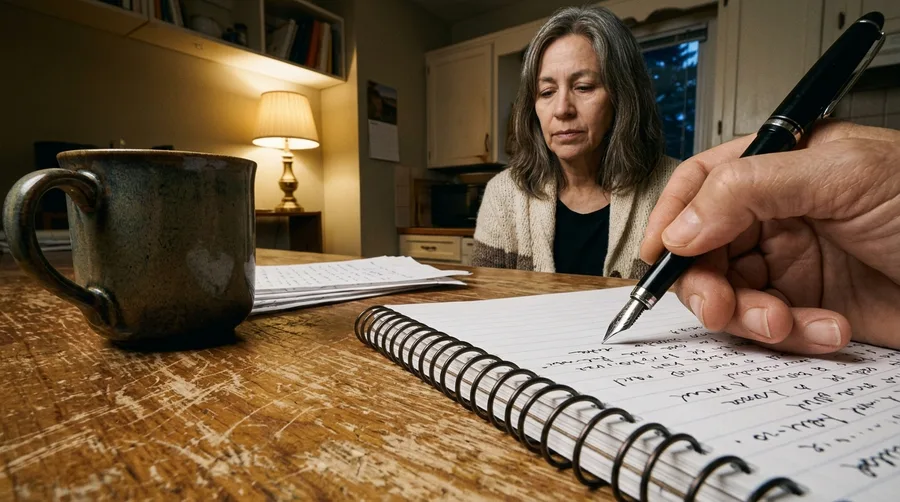
Sometimes you look back at your life and wonder if anyone will actually remember the details.
Writing down your stories preserves family history while giving your mind a creative workout, yet the blank page can feel intimidating when you stare at it too long.
You do not need a publishing contract or fancy software to get started. A simple spiral notebook and a black pen work best for capturing these moments.
Write for twenty minutes after lunch, and aim for three specific memories a week to build a steady rhythm without burning out.
If you need help organizing financial timelines or verifying old property and pension records from decades past, consult a local historical society or talk to a professional archivist to keep your facts straight.
Your Writing Journey Roadmap
7. Baking Artisan Sourdough From Scratch
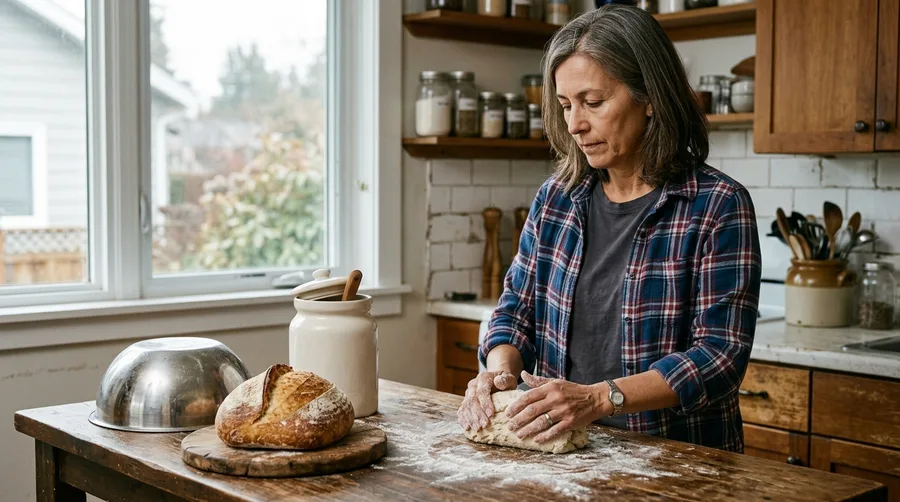
I spent six months messing up flat, dense loaves before realizing my kitchen temperature was simply too low for the wild yeast to wake up.
Baking artisan sourdough from scratch connects you to old kitchen traditions that cost just pennies in basic flour and water.
The trade-off is stark patience, because true sourdough takes about twenty-four hours from start to finish.
It is totally worth the wait when you pull a steaming, golden crust from your oven that saves you $6 a loaf at the bakery.
💡 PRO TIP
Control Your Proofing Temp
Place your dough inside your oven with the oven light turned on if your kitchen is below 68 degrees.
8. Bird Watching in Local Parks
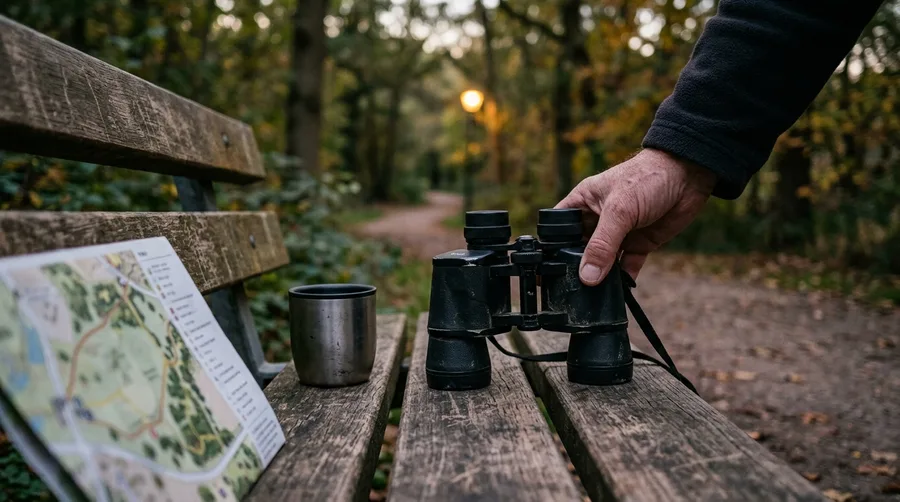
Buy a pair of eight-by-forty-two binoculars for around eighty dollars and keep them by the back door.
I used to think bird watching was terribly boring until I spotted a bright scarlet tanager sitting right in my neighborhood park.
That simple afternoon walk completely changed how I view local green spaces, turning a zero-cost stroll into a genuine treasure hunt.
Download a free identification app to your phone and spend your Saturday mornings walking local trails to see what is hiding in the trees.
9. Amateur Astronomy and Stargazing
Many people believe you need a telescope that costs thousands of dollars to see planets.
That is completely false and keeps a lot of beginners sitting on the couch.
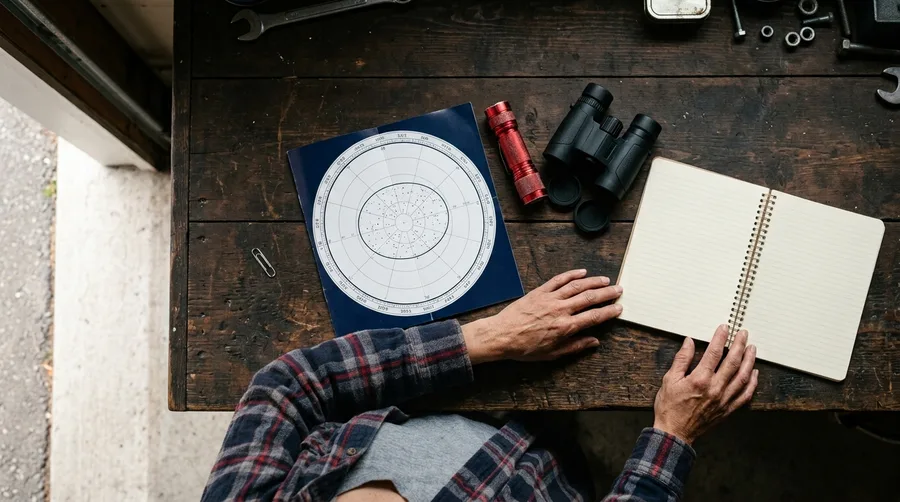
A sturdy pair of stargazing binoculars reveals lunar craters and Jupiter is moons with zero setup frustration.
studying star charts engages spatial reasoning and gets you outside after dark without spending a fortune on heavy gear.
Spend fifty dollars on a planisphere map and a red flashlight to preserve your night vision.
Check local astronomy club schedules for free public telescope nights where enthusiasts let you peer through massive lenses for nothing.
The trade-off is dealing with cold night air and awkward neck angles, but standing under a clear dark sky cures most anxieties.
This week: download a free night sky app and find the Big Dipper from your backyard.
10. Gentle Hatha Yoga for Balance
You might worry that starting a balance routine later in life means you are already too far behind to notice any real change in your stability.
That fear stops a lot of people from even beginning, but your body responds to gentle, steady movement at any age.
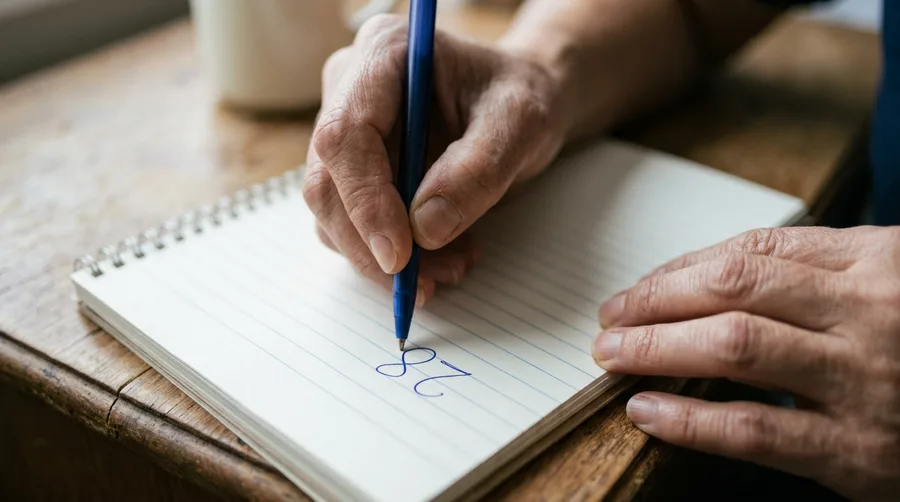
You can review your flexibility routine every Sunday evening to track your progress without feeling like you are back in school.
Look for two key metrics: your standing balance time on one leg and your hip mobility during morning stretches.
Consistency beats intensity every single time when protecting joint health after sixty, so even ten minutes a day matters more than one exhausting hour a week.
This week: take two minutes this evening to test how long you can stand unassisted, write the number down, and let that be your honest starting line.
11. Genealogy Researching and Family Trees
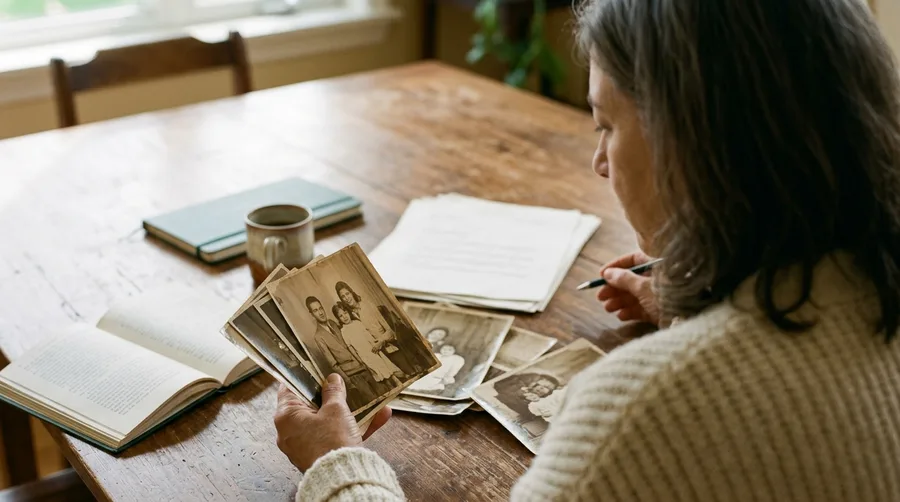
You might feel completely intimidated by sprawling computer databases, microfilm readers, and dusty historical records when you first think about tracing your family history, especially if navigating online archives feels overwhelming.
That heavy hesitation tends to evaporate the exact moment you scroll down an old federal census roll and spot your grandparents' names listed right alongside their childhood neighbors, turning abstract history into your actual living bloodline.
tracing ancestral migrations forces you to cross-reference historical dates, analyze geographic boundary shifts, and connect personal life stories to larger national timelines without needing an expensive hobby budget.
Always start your research journey with free public library census portals or community history archives before handing over your credit card information to massive commercial subscription sites that automatically renew at steep yearly rates.
Make sure you verify every single birth, marriage, and death date against official civil documents rather than blindly trusting user-submitted family trees online, because sloppy data entry can easily introduce completely false ancestors into your lineage.
The honest trade-off to watch out for is getting completely lost in digital document rabbit holes for hours on end, which steals time from your day, so always set a physical kitchen timer for strict thirty-minute research blocks.
This week: sit down with your oldest living relative, turn on a voice recorder, and write down full maiden names, birth years, and hometowns before those memories fade away.
A clear paper trail gives you a deeply rewarding mental project that costs virtually nothing to build while keeping your problem-solving skills remarkably sharp week after week.
12. Wood Carving Simple Spoon Blanks
It is easy to look at a pile of tools and raw timber and feel completely overwhelmed before you even make your first cut.
Most people skip organizing their gear because it feels less exciting than actually working with the wood, which usually leads to ruined edges and lost tools at the bottom of a drawer.
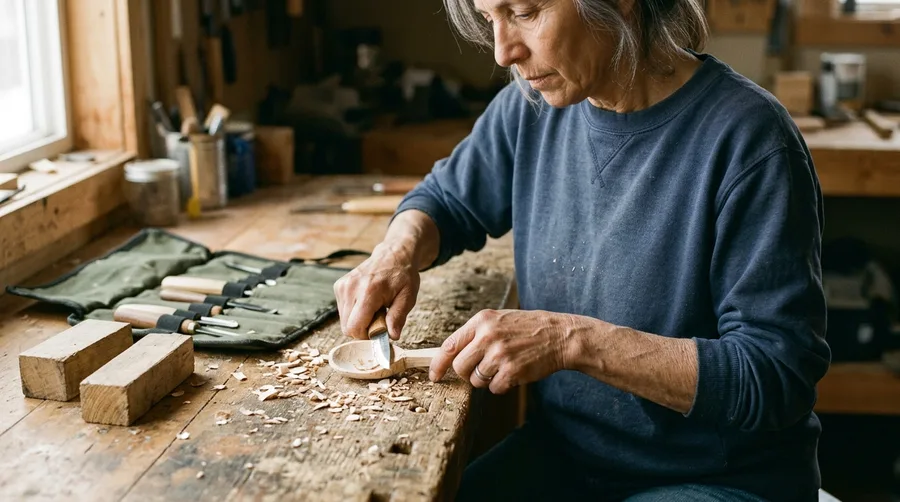
A simple three-bucket system for your workshop supplies keeps everything manageable by dividing your gear into safety equipment, hand tools, and wood blanks.
Spend twenty dollars on a beginner whittling kit and a pair of cut-resistant gloves to cover your absolute necessities without overspending on equipment you do not need yet.
Keep your carving knives in a dedicated canvas roll to protect the delicate edges from dulling against each other.
Set up your three labeled containers today and tuck your new safety gloves right inside the top tray.
13. Are You Buying Too Many Craft Supplies?
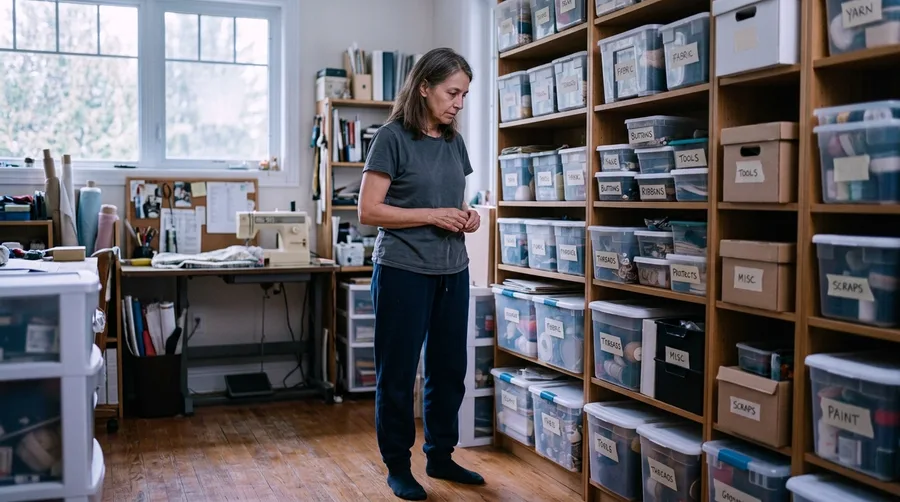
Are you staring at a messy corner of unopened hobby supplies and wondering where your actual spending money went this month?
Many beginners buy every single tool in the catalog before finishing their very first project, convincing themselves they need the professional kit right out of the gate to succeed.
The financial mechanism here is straightforward retail psychology: purchasing the gear feels like real productivity, but it usually just burns $50 to $150 on specialized items that sit in a closet collecting dust. I once dropped nearly $150 on art supplies because I thought premium paper would instantly fix my basic skills, leaving expensive tubes of paint completely untouched for months.
The honest trade-off is that starting slowly feels less satisfying than opening a massive box of new gear, but it keeps your checking account intact. The fix is to master one basic tool before purchasing any upgrades, buying your materials strictly one project at a time.
This week, ban yourself from buying anything new until you finish what is already on your table.
14. Automate Your Weekly Hobby Time
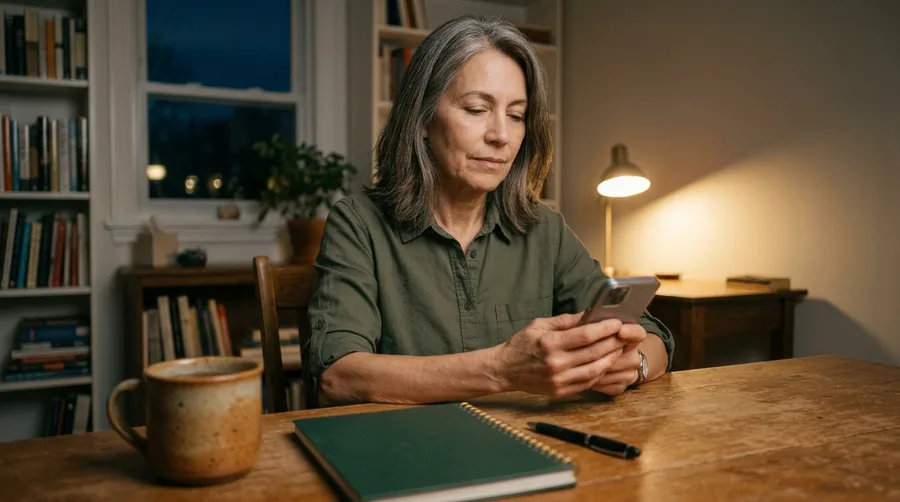
I used to wait until I felt inspired on a Saturday to sit down and actually work on my hobby, which meant three weeks would regularly pass without me touching a single paintbrush.
Set a recurring calendar reminder for hobby time every Tuesday and Thursday morning for exactly forty-five minutes.
It takes two minutes to configure in your phone app and removes decision fatigue completely by treating your leisure time with the exact same respect as a dentist appointment.
15. Chess Tactics and Puzzle Solving
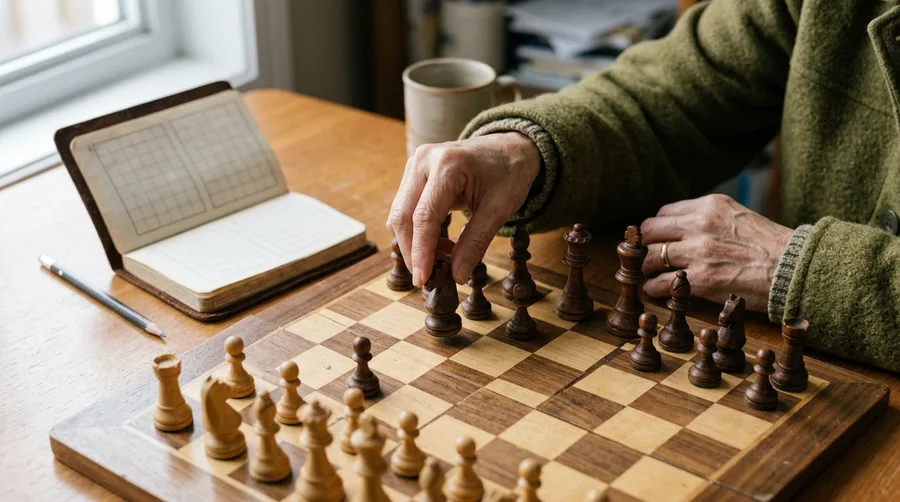
Solve three tactical chess puzzles every morning while drinking your coffee.
Spend five dollars on a pocket puzzle book to keep screen time low.
Your pattern recognition will sharpen within thirty days.
16. Mastering Watercolor Painting Basics

Stop telling yourself you missed the window to learn a new creative skill.
People often think watercolor requires natural talent that cannot be learned later in life, assuming that if you did not pick up a brush in your twenties, your hands simply will not cooperate now.
That belief ignores the mechanics of water control and pigment washes, which are physical techniques built through repetition rather than some innate artistic magic.
Grab a student-grade pan set and cold-press paper for twenty-five dollars, and practice painting simple gradients for fifteen minutes each evening to understand how the water moves the color across the page.
Review your work weekly to see how your brush control improves, and remember that every muddy wash is just part of figuring out the ratio.
17. Pottery Wheel Throwing Classes
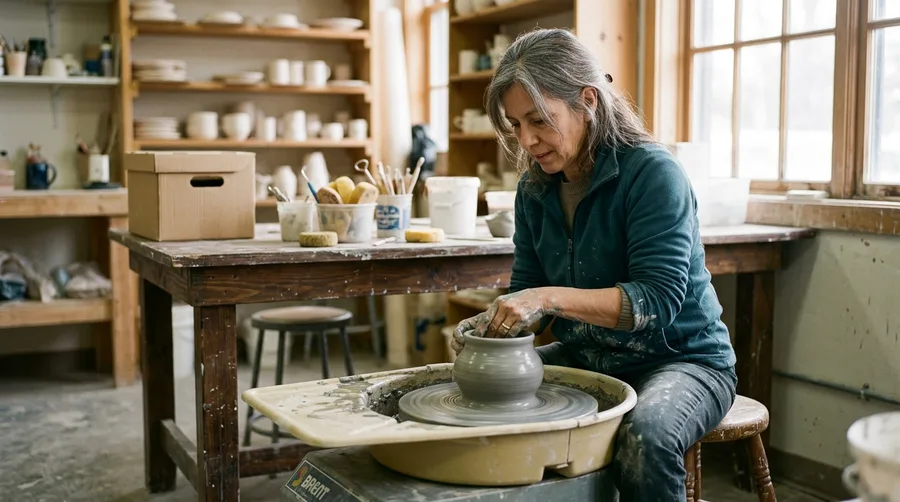
Are you worried about spending money on community center art classes when your fixed bills already take up most of the paycheck?
It is completely reasonable to hesitate before dropping cash on a hobby that feels like a luxury rather than a necessity.
Local studio fees can run around one hundred dollars a month, which feels steep until you factor in kiln firing and clay costs that would otherwise eat into your garage space.
The mechanism behind this cost involves shared infrastructure: you are pooling resources with twenty other people so you do not have to buy a two thousand dollar kiln or rent private studio square footage.
The trade-off is getting your hands genuinely muddy and dealing with collapsed pots that turn into expensive puddles of grey sludge on your first three tries.
It is worth every penny for the tactile joy of centering clay on a spinning wheel when your brain has spent the entire week stuck on digital screens and bills.
Sign up for an eight-week introductory pottery course at your nearest community college or arts center this Tuesday before the spots fill up.
18. Birdhouse Building and Woodworking
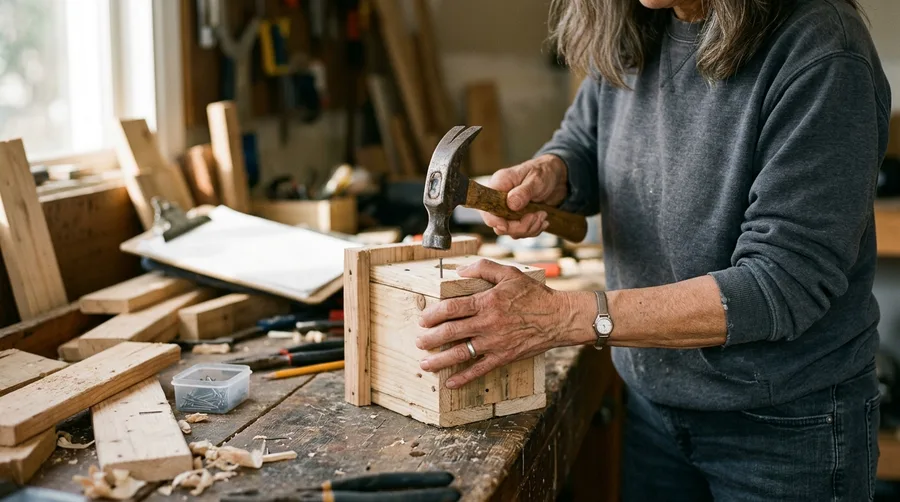
Even twenty-five dollars in scrap lumber and basic nails gets you started in the garage workshop.
You do not need a table saw or a ten-hundred-dollar radial arm setup to build something that lasts. Start small with simple cedar bluebird boxes that use hand tools and leftover scraps from a local lumberyard.
Consistency beats expensive power tools every time when you are learning a craft on a fixed pension.
Frequently Asked Questions
Is it too late to start a new hobby at 65?
Not at all. Adult brains continue forming new neural pathways throughout life when challenged with novel tasks. Start with fifteen minutes a day.
How much should I budget for a new hobby?
Keep initial monthly spending under fifty dollars until you know the activity holds your interest. Use secondhand supplies when possible.
Should I take classes or learn on my own?
It depends on the craft. Manual skills like pottery benefit from in-person instruction, while languages and writing work well with library resources.
What if I get frustrated and want to quit?
Frustration is normal during the first two weeks of any new skill. Lower your daily time commitment rather than abandoning the project entirely.
How do I balance hobby costs with retirement savings?
Treat hobby spending as a fixed line item in your monthly budget. Never pull from retirement accounts or emergency funds to finance equipment upgrades.
Start With This One
Pick just one hobby from this list and spend twenty minutes on it tomorrow morning.
You do not need to master all eighteen hobbies before seventy. You just need one that makes you look forward to waking up.
Get Better Every Week
Join our weekly community newsletter for practical money tips and hobby guides delivered straight to your inbox.