
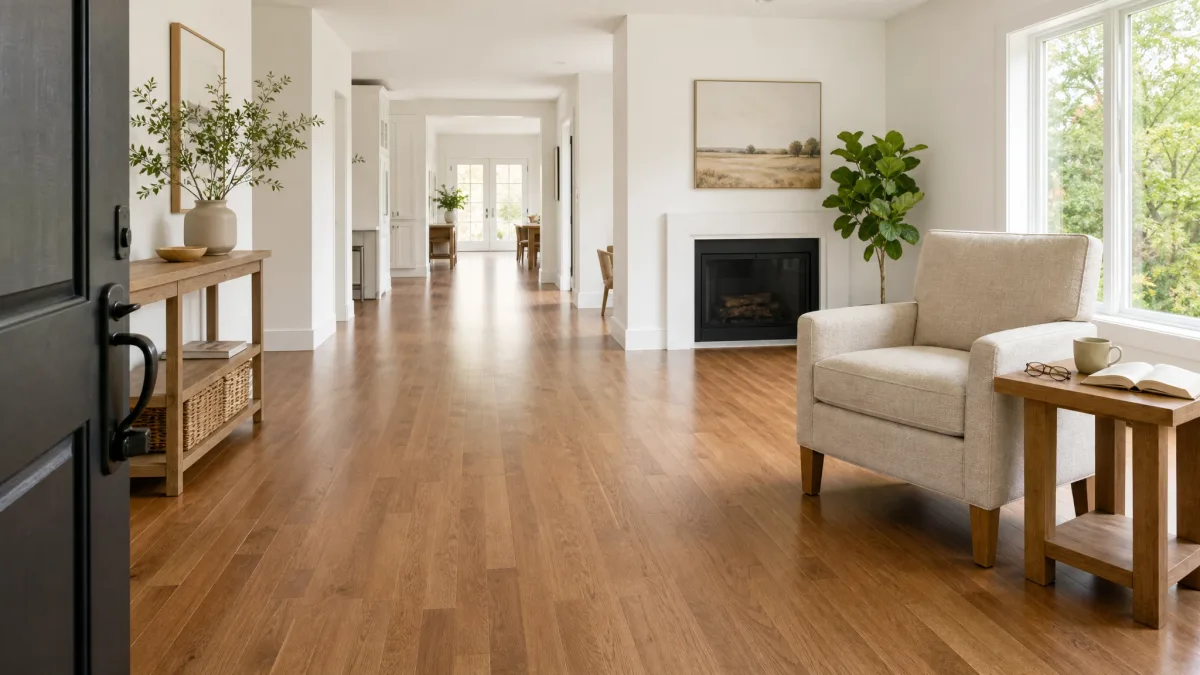
An ordinary living room holds three to four major trip hazards in plain sight. Those few trailing cords and unsecured rugs often dictate whether you remain in your own space or face an abrupt relocation.
Adding a full six years to a lifespan usually sounds like a prescription for severe diets or grueling workouts.
The real solution sits right in the living room.
Rearranging the floor plan to stop falls before they happen keeps daily motion fluid and secures those extra years of active life. You will learn exactly which 60W warm bulbs to unscrew and which low chairs to swap out to physically protect your independence.
First Rooms to Audit
The One Thing Is Optimizing Your Home For Mobility
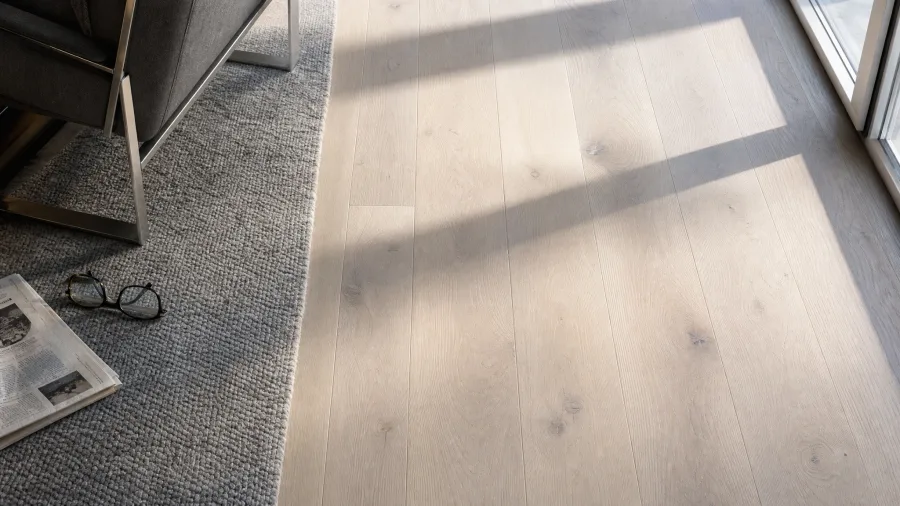
Proactively adapting a living space to prevent domestic falls is the single most effective action a retiree can take to extend their active life. This early intervention stops the number one cause of physical decline before it happens, preserving long-term independence.
This longevity gain comes entirely from avoiding the floor.
An ordinary house styled purely for looks contains invisible traps that turn dangerous the moment a person's balance subtly shifts. A typical unadapted home features three to four major trip hazards, usually loose rugs floating on hardwoods or trailing lamp cords stretched across a walking path. These common items wait quietly for a slightly shuffling foot.
Tripping over a frayed cord or a curled rug edge destroys physical strength in an instant. Securing that everyday independence means hunting down those specific hazards today, well before a hospital visit forces the issue.
The modification requires viewing the sitting area and the corridor as an obstacle course rather than a styling exercise. Clearing those barriers creates an open path for confident movement across the room, keeping the body upright and preserving the daily motion needed to age in place safely.
⚠️ COMMON MISTAKE
The Danger of Waiting
Most homeowners only remove trip hazards after a hospital visit. Fix your floors while your balance is still perfect.
Clear Pathways Encourage Daily Micro-Movements

Clearing floor space extends your lifespan by triggering dozens of daily physical actions that protect cardiovascular health and preserve leg strength without structured workouts. Unobstructed rooms eliminate the subconscious reluctance to stand up, transforming an ordinary home layout into a passive physical recovery zone.
Frequent micro-movements build stamina without causing physical fatigue.
These routine actions consist of light tasks like walking to the kitchen for water, tending to windowsill herbs, or walking down the entry corridor to check the mail. Creating 36-inch clear pathways reduces daily movement friction, though it typically requires clearing out roughly 15% of existing floor furniture, such as decorative plant pedestals, low footstools, and wider coffee tables.
Removing those physical barriers subconsciously encourages older adults to wander through their living spaces far more often, actively preserving the core muscle tone needed for upright balance.
This continuous daily movement directly reinforces long-term cardiovascular health. Over time, keeping arteries supple and heart muscles conditioned through simple walking compounds into the full six-year gain in total life expectancy.
Space Planning Basics
📏 Path Width
36 inches
🪑 Furniture Reduction
15% removal
🚶 Goal
Micro-movements
First Step
Measure the gap between your coffee table and sofa first.
Throw Rugs Are The Deadliest Item In The Living Room
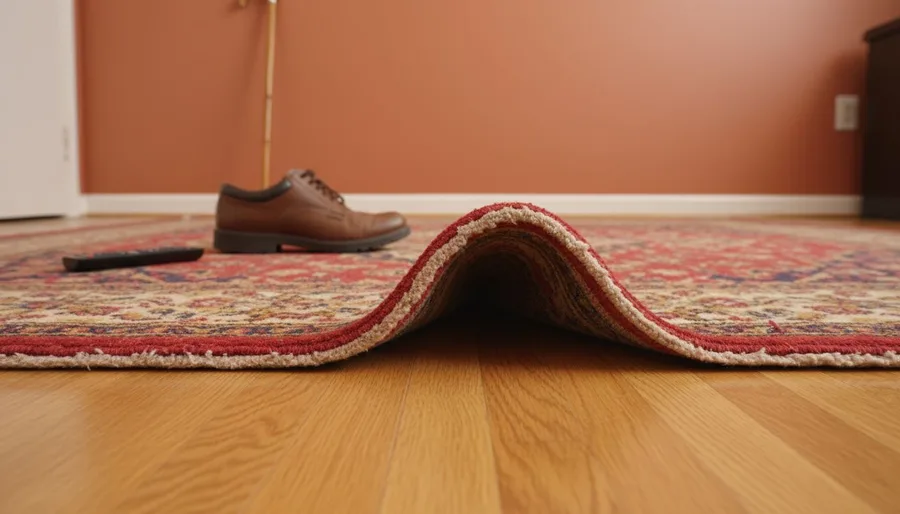
While establishing a cleared 36-inch pathway dictates safe daily movement, the unanchored decorative throw rugs scattered across that route act as the primary domestic hazard for trips and falls.
The danger lies in the edge.
The physical mechanics of aging subtly change how a foot clears the ground, frequently introducing a slight shuffling gait that drags a shoe just millimeters lower than it once did. When a forward-moving toe catches a slightly upturned rug edge, it instantly destroys balance before the body can physically react.
Safe independent living requires removing these loose textiles entirely. Throwing out the small mats eliminates the hazard at its source without costing a cent.
If a room genuinely requires a rug to dampen sound or retain ambient heat, it must be permanently anchored to the underlying floorboards. Applying heavy-duty tape along every single perimeter edge prevents the material from buckling under a rolling walker or a sliding heel.
For a completely trip-free alternative to scattered mats, wall-to-wall carpeting provides a uniform surface. It covers the living area in a soft textile while permanently eliminating the abrupt height transitions that cause sudden falls.
Flooring Reality Check
Dangerous Options
- Layered vintage rugs
- Fringed runners
- Curled corners
- Thick shag textures
Safe Alternatives
- Bare hardwood
- Wall-to-wall low pile
- Heavy-duty taped edges
- Flush floor transitions
Deep Sofas Accelerate Leg Muscle Loss Over Time
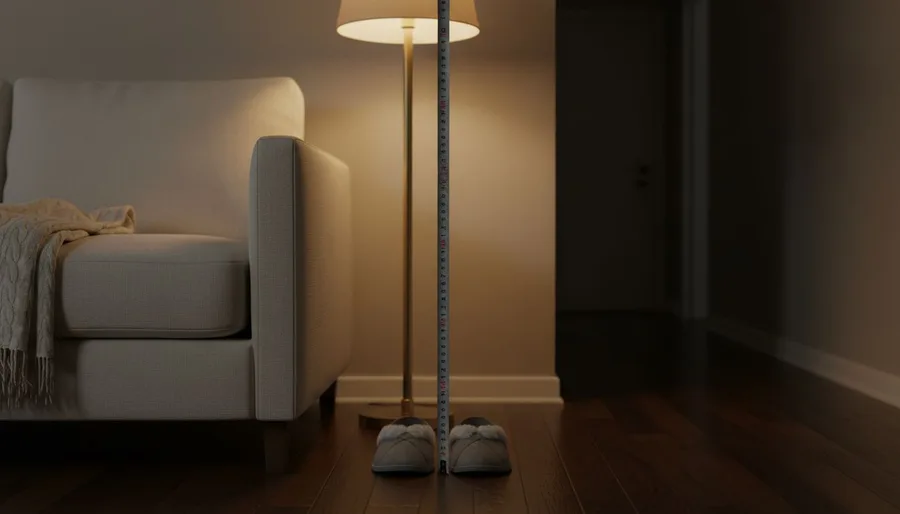
Once the floor is clear of tripping hazards, the heavy furniture resting on it dictates whether a person actually gets up to move. Low, squishy seating physically discourages frequent standing, subtly eroding vital leg strength over years of daily use.
A deep sofa forces the body into a backward tilt. Escaping that deep pitch requires throwing the torso forward to generate rocking momentum just to clear the upholstery.
That sudden lunge completely destabilizes your center of gravity.
Instead of using thigh and glute muscles to press straight up, a person relies on hazardous forward velocity. This sudden shift in weight drastically increases the risk of a fall upon standing.
Safe movement requires proper structural support.
Optimal seating height sits strictly between 18 and 20 inches from the floor, allowing the legs to execute a controlled, unassisted vertical rise. If a favorite armchair sits at 15 inches and swallows anyone who uses it, a furniture replacement is not the only answer.
Adding firm structural foam beneath existing cushions provides an immediate lift.
This targeted intervention firms up a sinking base and raises the seat to that safe 18-inch threshold without buying a single new piece.
The Seating Audit
Dim Mood Lighting Destroys Crucial Depth Perception
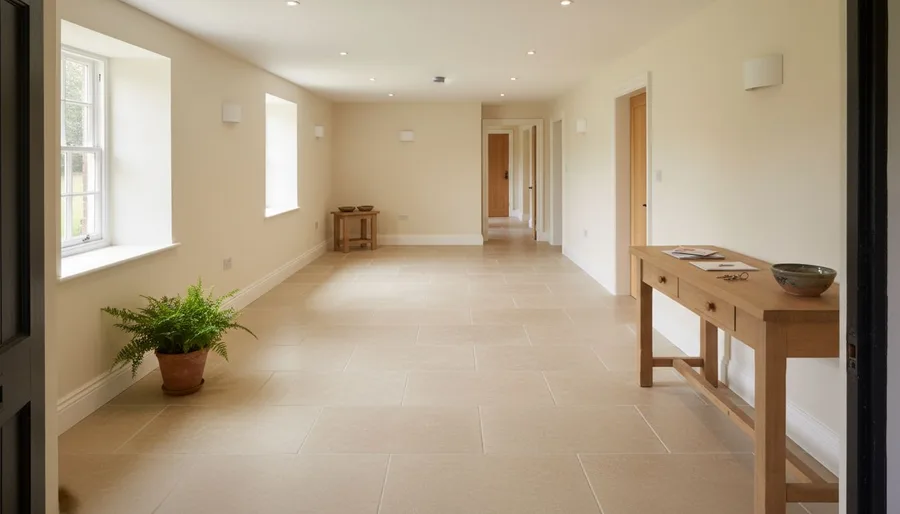
Getting out of a low chair safely relies entirely on seeing exactly where the floor begins, but aging eyes require significantly more ambient light just to register spatial depth and physical obstacles. What feels like a comfortably dim room actually destroys the visual contrast needed to walk safely.
Bright, even illumination becomes a strict medical necessity.
Typical 60W warm bulbs simply fail to provide the optical clarity required to judge room distances accurately. Swapping those existing fixtures for 100W equivalent daylight LEDs at 4000K instantly restores that critical depth perception.
A single decorative table lamp sitting next to the sofa creates sharp, localized pools of light surrounded by heavy, unpredictable shadows. That uneven lighting easily masks a dangerous floor threshold, a trailing power cord, or a dropped television remote until a foot directly catches on the object.
Layering those bright overhead LED fixtures with targeted task lighting strips the dangerous dark spots out of the floor plan. The combined lighting strategy creates a uniformly safe walking environment across the room.
A visible floor removes the physical hesitation from daily movement.
💡 PRO TIP
Check The Kelvin Number
Look for '4000K' on the light bulb box. Anything lower casts a yellow hue that muddies floor contrast; anything higher looks like a sterile hospital.
Automated Lighting Eliminates The Midnight Stumble
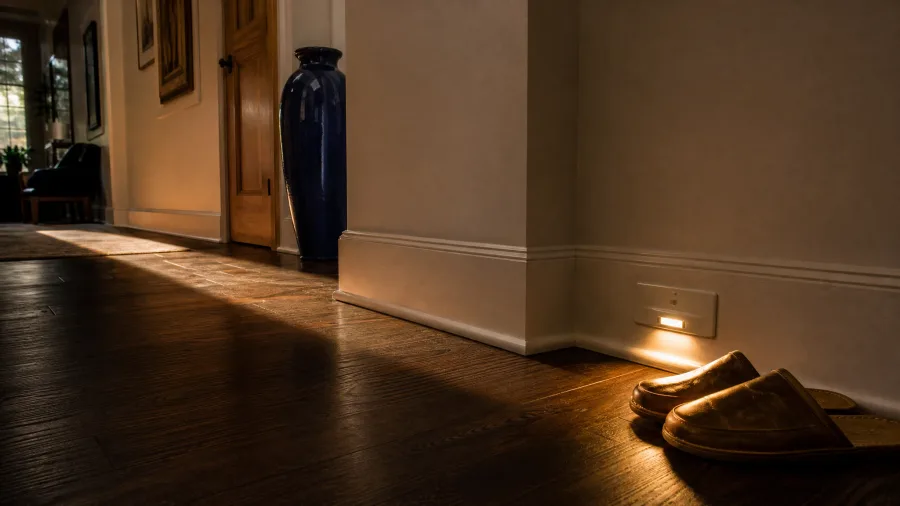
While daytime daylight LEDs solve room visibility during waking hours, a completely dark house introduces severe sensory deficits that make locating the hallway bathroom inherently hazardous. Fumbling blindly for a wall switch in pitch black creates a dangerous moment of physical disorientation, turning the simple act of getting out of bed into a prime fall risk.
Installing motion-sensor decor lights eliminates this dangerous blind period entirely.
Low-profile plug-in outlet units or hardwired baseboard fixtures track physical movement automatically. They provide immediate, hands-free visibility the exact second a foot touches the bedroom floor, safely leading the late-night trip down the hall.
These specialized fixtures emit a soft glow specifically calibrated for the middle of the night. The lumen output stays intentionally low to avoid sleep disruption and protect tired eyes, yet remains focused directly downward to clearly illuminate your feet and the floorboards.
The body maintains a steady, confident balance only when the eyes can instantly register the solid ground below. Designing the corridor for automatic lighting stops the midnight stumble before it even starts.
🌙 Midnight Sensor Placement & Timing
Bedside Sensor Placement
Mount 2200K warm amber strips 4 inches below bed rail, angled to catch feet within a 3-foot radius.
Hallway Outlet Clearance
Position 15-lumen plug-in units 12 inches off carpet level to prevent direct line-of-sight glare.
Ambient Lux Threshold
Calibrate dusk-to-dawn sensors to 5 LUX max so system remains inactive until total darkness.
Shutoff Delay Target
Set auto-off timers to 90 seconds; 30-second factory defaults cut out mid-return.
Accessible Homes Keep You Hosting And Socially Active
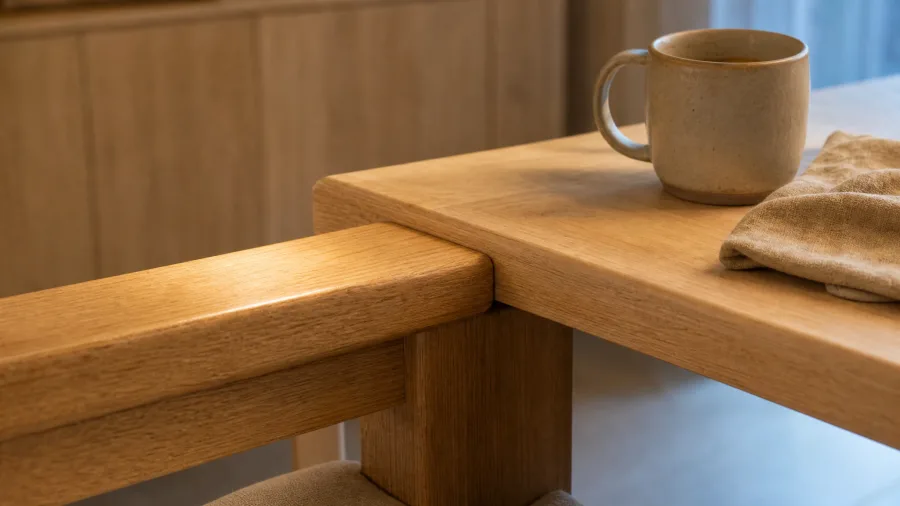
A floor plan cleared of hazards does more than prevent physical injury; it actively pulls people back into your daily life. The confidence to host returns when a house feels entirely predictable.
Isolation functions as a severe mortality risk factor.
Having friends over regularly directly combats those physiological effects, but hosting requires an environment where aging peers feel entirely secure. If visitors have to step over trailing lamp cords or sink into low lounge seating, they simply stop coming. The physical layout of the rooms dictates the actual social calendar.
The dining room serves as the primary gathering zone, and the seating choices there determine how long people stay. Replace backless benches with heavy, solid oak dining chairs equipped with high armrests.
Those armrests provide the exact structural support older friends need to push themselves up safely from the table after a meal. When visitors know they can sit comfortably and rise unassisted, a casual afternoon coffee becomes a regular weekly habit rather than a daunting physical hurdle they would rather avoid.
Accessible design keeps the front door swinging open continuously.
A house that scares you into sitting still is a house that is slowly killing your social life.
— The true cost of cluttered layouts
Safety Features Can Easily Match Modern Aesthetics
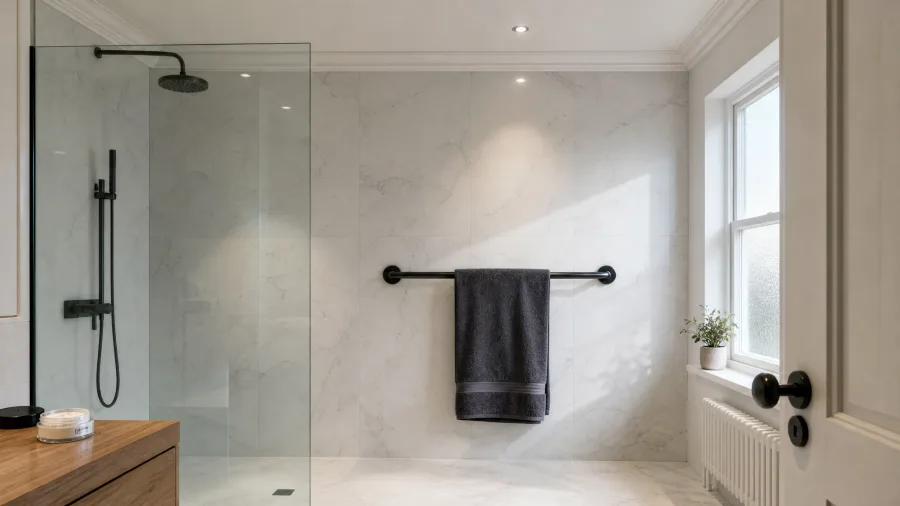
Preparing a space for comfortable hosting does not mean turning a private living room into a clinical hospital ward. Modern design actually relies on the exact physical changes that keep a house safe.
A minimal layout naturally limits how many objects sit on the floor. Removing 15% of the existing furniture to carve out 36-inch clear pathways reads as an intentional, highly current aesthetic rather than a physical necessity. This wide-open spacing gives rooms a calm feeling while quietly eliminating the primary hazards to daily mobility.
The most effective physical adaptations remain completely invisible.
Swapping dim fixtures for 4000K LED lighting casts a sharp, elegant glow across the room. The clean daylight highlights expensive architectural details just as effectively as it reveals a dangerous floor threshold.
Hardware manufacturers have caught up to this reality. The structural supports required for bathroom stability no longer look like institutional equipment bolted directly to the drywall. A thick, matte black steel bar works perfectly as a heavy-duty anchor point while masquerading entirely as a high-end modern towel rack.
Good design and fall prevention are now the exact same discipline.
Frequently Asked Questions
Do I need to replace all the flooring in my house?
No. Focus entirely on transitions and loose rugs first. Removing throw rugs and taping down runner edges eliminates the highest risk factors without a renovation budget.
Are 4000K LED bulbs too bright for a living room?
They feel harsh for the first two days, but your eyes quickly adjust to the clarity. The increased depth perception and shadow reduction far outweigh the initial aesthetic shock.
How do I raise a sofa that is too low to the ground?
Buy high-density upholstery foam blocks to slip under the existing seat cushions. You can also replace the screw-in wooden furniture legs with slightly taller aftermarket blocks.
What is the best type of motion sensor light for a bedroom?
Choose an amber-hued LED strip that mounts under the bed frame. It casts light directly onto the floor without shining upward into your eyes and disrupting sleep.
Can I keep my heavy coffee table if it blocks the path?
You must push it out to maintain a 36-inch walking clearance. If the room is too narrow for that clearance, replace it with small, easily movable C-tables.
The Zero-Dollar Weekend Safety Fix
Begin the work in the living room today by swapping the dim lighting for 100W equivalent daylight LEDs and rolling up every loose throw rug. This single afternoon adjustment requires zero renovation budget while delivering an immediate return on daily safety.
A six-year lifespan gain happens entirely through deliberate room arrangement.
You eliminate those three to four hidden trip hazards before dinner, ensuring every step you take in the house remains secure.