

You can build an income stream from your living room using interior design tools that did not exist five years ago.
Physical staging traditionally requires hauling heavy sofas, buying expensive rugs, and renting warehouse space for inventory. That physical and financial barrier kept many older adults from turning their eye for design into an actual paycheck. Today, $50 of basic software replaces all of that overhead.
You only need a laptop and ten spare hours a week.
We will break down exactly how to arrange digital rooms, source eco-friendly materials, and start billing clients today.
Quick Tips Before You Start
Check Your Connection
Cloud-based styling software runs poorly on a weak internet signal.
Master One Platform
Learn one specific tool completely before paying for multiple subscriptions.
Set Strict Limits
Keep your workload to 10 to 15 hours per week.
1. Virtual 3D Room Styling Consultant
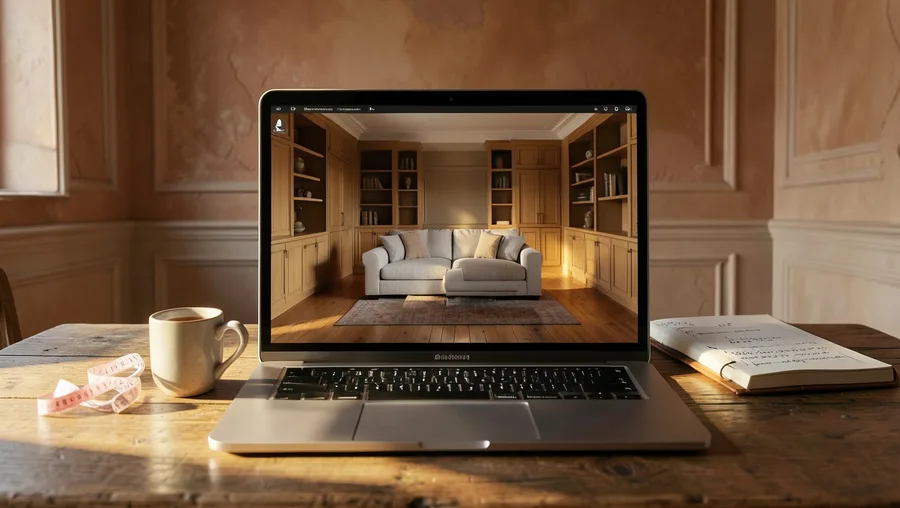
A decorator usually has to walk through a front door with a physical tape measure to plan a room. Cloud-based 3D rendering software from the post-2019 tech boom changes that entirely.
You simply input the client's dimensions into a browser and test layouts without lifting a single chair. Instead of relying on freestanding bookcases, you can digitally construct wall-to-wall joinery and custom shelving. The tradeoff is precision: virtual built-ins require exact wall measurements from the homeowner before a carpenter begins work.
A completed digital room design bills at a flat $75 fee.
This suits older adults with a sharp eye for spatial layout and basic computer literacy. Spending ten to fifteen hours a week on these digital marketplaces requires just $50 to $300 in initial software costs.
2. AI-Assisted Mood Board Creator
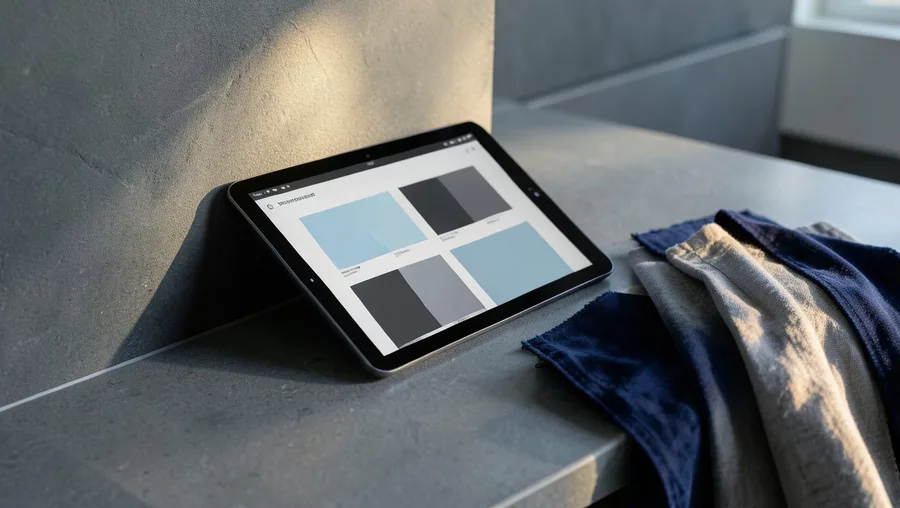
Generative software turns basic text prompts into finished visual concepts.
These platforms appeared rapidly after 2019, shifting the heavy lifting to the computer. The program acts as the anchor, leaving you to apply real visual curation talent. You select the strongest outputs, arrange them into cohesive digital presentations, and deliver rapid aesthetic concepts to homeowners who cannot picture a space.
You charge $40 per board on digital marketplaces, working 10 to 15 hours a week. This suits older adults with an eye for design rather than a formal architectural background.
💡 PRO TIP
Keep Prompts Specific
Include exact color names like terracotta or dusty rose to get usable AI results rather than generic living rooms.
3. Sustainable Upcycling Content Creator

This income stream grew directly out of the massive shift toward short-form vertical video platforms that took over social media after 2019. Filming a furniture flip is now an actual product itself.
You record the slow process of sanding down a weathered thrifted dresser and staining the raw grain in a rich, deep charcoal finish. The camera stays focused entirely on your hands and the materials at work. You never have to show your face or speak on screen.
The visual transformation of the piece does all the heavy lifting.
Revenue comes on the back end through brand partnerships and affiliate links for the exact sandpaper or stain you use. These targeted links generate an average of $50 per post. Setting up a basic phone tripod and ring light keeps startup costs safely within the typical $50 to $300 range.
This routine perfectly suits crafty retirees who already spend 10 to 15 hours a week refinishing wood in their garage. You are simply getting paid to document a hobby.
Upcycling Content — The Fine Print
✂️ Hidden Task
Splicing hours of sanding into 15-second clips
🚧 The Hurdle
Hitting follower minimums to unlock link sharing
📱 Primary Venues
Social commerce apps like TikTok and Instagram
Skip This If
You lack the patience to learn basic mobile video editing interfaces on a small screen.
4. Smart Home Aesthetic Integrator
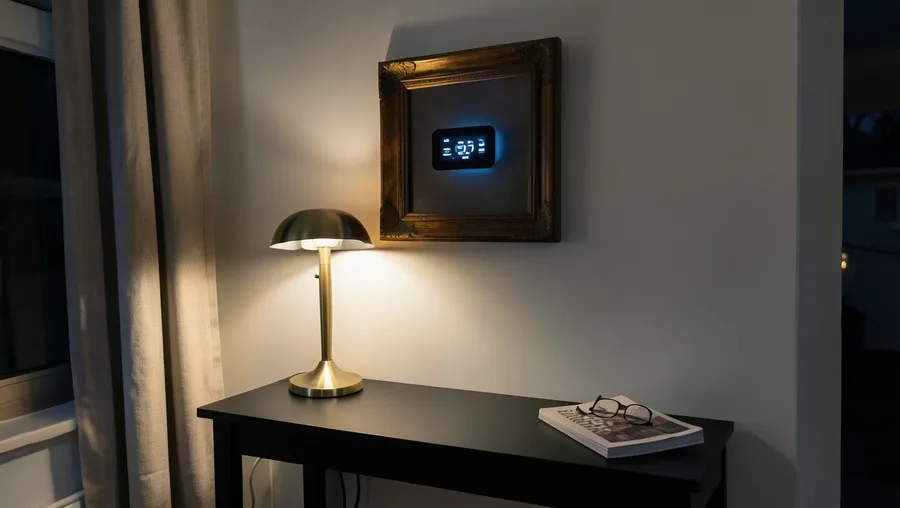
A vintage wooden picture frame is often the only material needed to soften the harsh glare of modern technology. Hard plastic and glowing screens easily ruin a carefully planned room without a clever disguise.
An aesthetic integrator figures out how to mount a smart display inside that wooden frame or run speaker cables invisibly behind heavy linen curtains. You consult via video call, showing homeowners how to achieve a high-end custom look using cheap thrifted finds. The compromise is that budget cord covers require careful painting to actually disappear.
Hourly consultation rates for this visual planning typically sit around $50.
Tech-savvy individuals with strong interior design instincts excel at this integration. A startup cost of $50 for basic layout software is all it takes to launch a comfortable 15-hour weekly commitment.
Smart Tech Placement
Do This
- Frame digital art screens
- Hide cables in baseboard channels
- Match speaker fabric to upholstery
Don't Do This
- Leave black cords dangling
- Place glowing routers on mantels
- Block window light with monitors
5. Remote Staging Digital Asset Provider
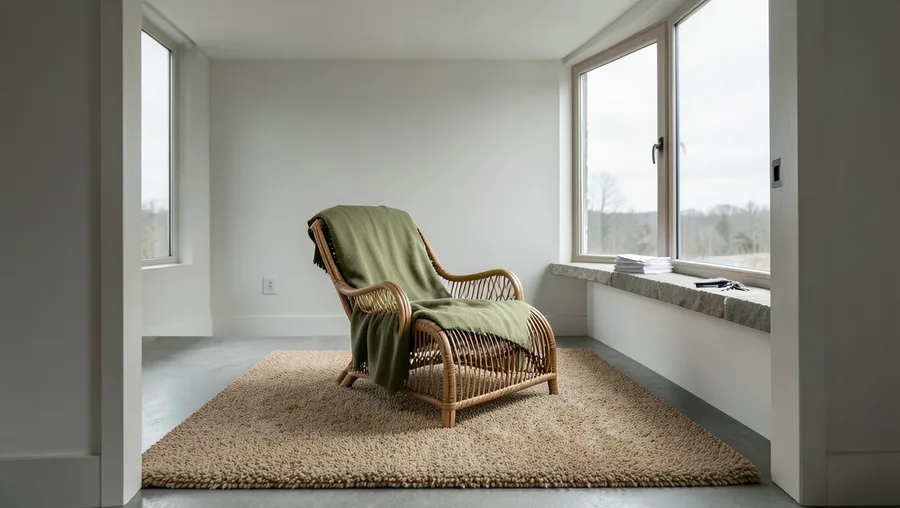
Physical home staging requires hiring movers, renting trucks, and hauling heavy sofas into empty properties. Dropping a digitally rendered couch onto a photograph takes a fraction of that effort while capturing buyer interest.
Real estate agents send you raw images of sterile, empty rooms that struggle to attract clicks. Using post-2019 editing plugins, you build realistic furniture layers that turn cold concrete or hardwood into an inviting home. You position scaled 3D models directly onto the floor plane to create immediate depth and structure.
Realistic contact shadows beneath each piece make or break the illusion.
A low-slung rattan lounge chair serves as the hero material here, cutting through hard ceiling reflections with warm woven texture. You balance that organic cane weave with a thick oat rug beneath and a draped olive throw across the cushion. Soft matte fabrics soften harsh window light across the digital rendering.
You earn $60 per staged photograph package, sending completed digital files back to the agent online. Detail-oriented retirees with basic photo-editing experience thrive in this flexible virtual role.
Digital staging plugins handle the perspective math for you now. You just bring the taste.
— Why this shift works for beginners
6. Eco-Friendly Material Sourcing Advisor

Every single renovation involves over two hundred distinct material choices, and homeowners increasingly want sustainable options without spending weeks researching them.
As a sourcing advisor, you track down the exact bio-based textiles and lab-grown decor materials introduced after 2019. Clients hand you a basic mood board, and you do all the heavy lifting from your laptop, returning a curated list of vendors selling recycled glass tile or mushroom-leather upholstery.
You charge a flat research fee of $100 per project brief.
Meticulous researchers with an interest in ecology and interior trends thrive in this role. The position exists precisely because the volume of new green building materials overwhelms the average buyer.
⚠️ COMMON MISTAKE
Watch Out For Greenwashing
Always verify a material's actual sustainability certifications before recommending it to a paying client.
7. Niche Acoustic Panel Artisan
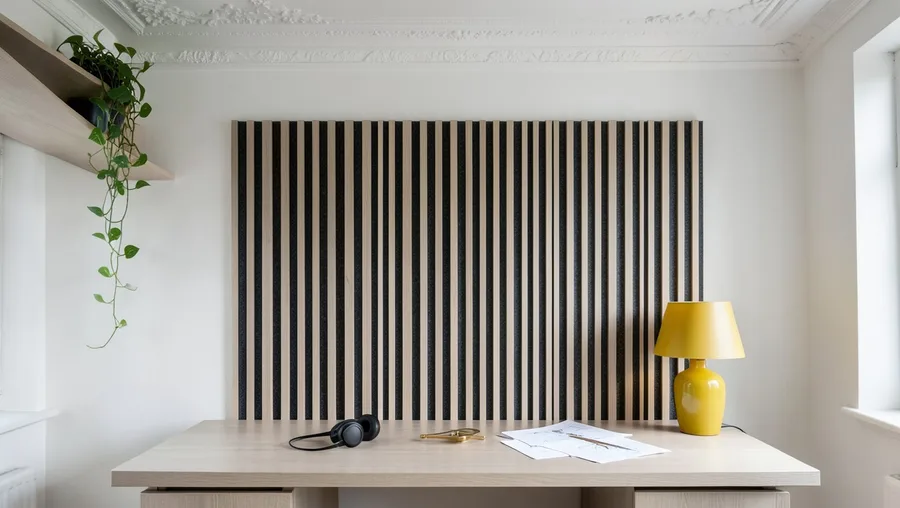
Spare bedrooms were never built to handle the echoing acoustics of daily video calls. The fix is a layout anchored by architectural sound dampening, where sleek slatted wood pieces over dark recycled acoustic felt mount directly behind the desk. These panels act as decorative wall art while absorbing the high frequencies bouncing off hard floors.
This exact layout requires basic woodworking skills and a workshop space.
Handy retirees supply these spaces using recycled materials that started trending after 2019. Builders craft custom modern pieces rather than ugly foam egg crates, selling them online for $120 each.
🔨 Building an Acoustic Panel
Source Materials
Buy thick recycled acoustic felt and solid oak slats.
Cut to Size
Measure and trim the heavy felt backing with a utility knife.
Attach the Slats
Secure the wood strips evenly across the front of the felt.
Mount the Hardware
Add heavy-duty hanging wire to the back of the panel.
8. Biophilic Design Micro-Planter Curation
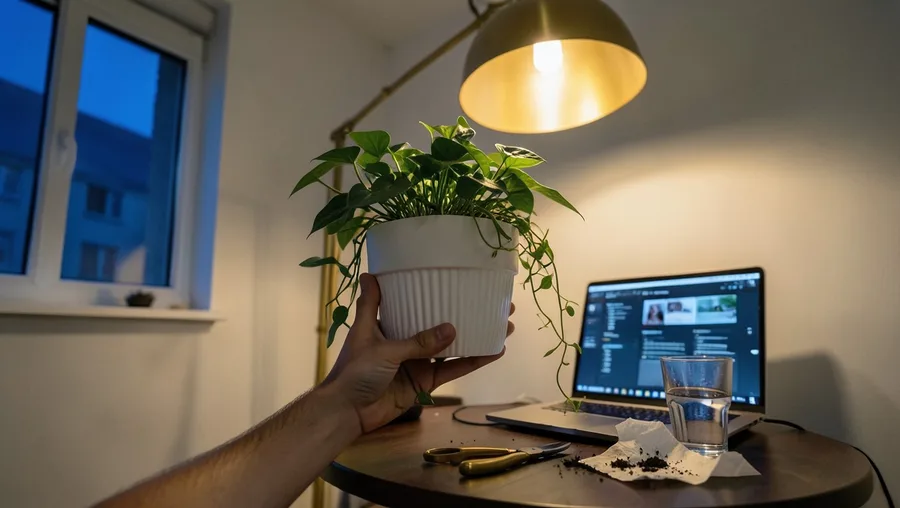
Bringing living greenery indoors immediately changes the visual temperature of a cramped apartment. A stark, sterile box softens into a textured, breathable habitat the moment trailing vines catch the morning sun and broad leaves cast shadows across a blank wall.
The real trick is matching the foliage to the available daylight.
A micro-planter curator assesses a client's window light over a video call, tracking how the sun moves across their desk before prescribing specific rare urban flora. You pair these selections with modern self-watering planters popularized recently, meaning the client will not accidentally drown their expensive new greenery.
Green-thumbed retirees with deep plant-care expertise run this entire service from a dining room table. A single remote consultation session commands $50 and requires zero inventory or physical lifting.
9. Digital Color Palette Consultant
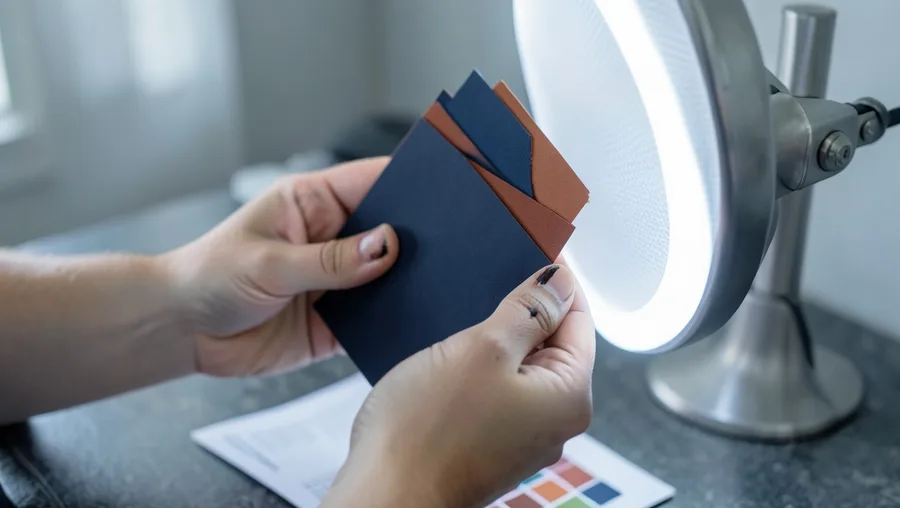
Paint behaves entirely differently when blasted by a bright ring light and compressed through a high-definition webcam lens. A shade of bone white that looks elegant in person might completely blow out the shot.
Deep navy or rich rust absorbs light, making the subject pop.
Selling bespoke digital paint palettes optimized for video backgrounds means analyzing the lighting and camera reflection variables unique to modern remote work setups. After reviewing a workspace, you deliver specific PDF color guides tailored to that home office for a flat fee of $35.
Skip this hustle entirely if you lack an eye for undertones. Former interior painters or color theorists absolutely dominate this niche because they already understand exactly how wall pigments react to artificial bulbs.
10. Substack Home Aesthetic Publisher
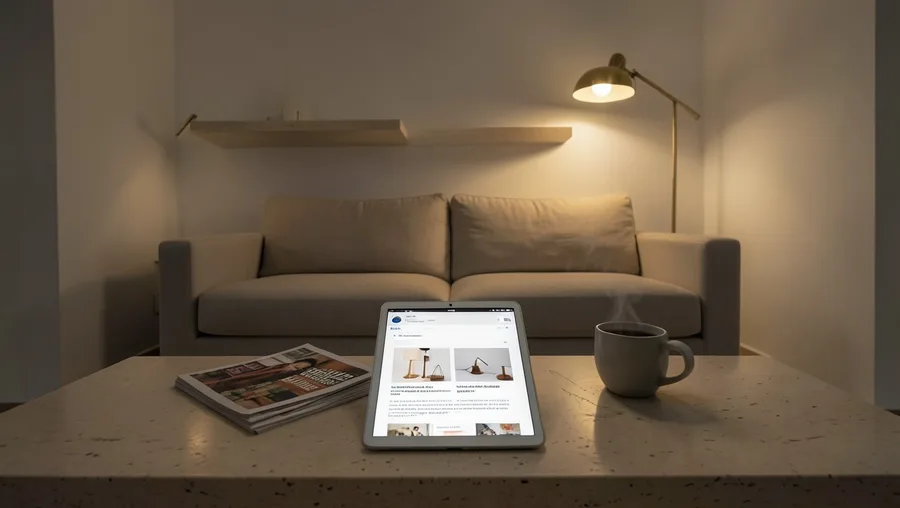
Borrowing the editorial weight of glossy twentieth-century shelter magazines, subscription newsletter platforms that surged after 2019 now allow writers to bypass gatekeepers entirely. You own your audience completely.
A niche publication does two jobs at once. It acts as a free weekly styling diary to attract an audience, then shifts behind a paywall to deliver highly specific sourcing lists and contemporary DIY trends. You can monetize a tight focus, like thrifting mid-century modern lamps or styling small entryways.
Target a monthly subscription of $5 per reader.
A $50 to $300 initial software investment gets this running on 10 to 15 hours a week. This model strongly favors retirees with sharp writing skills and a passion for design.
Frequently Asked Questions
Do I need a powerful computer to run 3D styling software?
No. Most modern rendering tools are entirely cloud-based, meaning they run through your standard web browser. A regular laptop and a stable internet connection are all you need.
How do I collect payments from clients remotely?
You can use standard digital invoicing platforms that handle the processing for a small percentage fee. You simply email the invoice and the client pays with a credit card.
Are these software subscriptions expensive?
Startup costs usually range between $50 and $300 total. Many platforms offer free tiers to learn the interface before you ever pay for a professional license.
Can I do this if I have never worked in interior design?
Yes. A strong visual sense and a willingness to learn the software matter more than formal credentials, especially for specific niches like acoustic panels or plant curation.
Choosing Your Own Digital Design Path
Select a path by matching your current tech comfort with your initial budget. If you want to cap startup expenses at $50 and prefer visual arranging, focus on digital color consulting or mood board creation on specialized marketplaces.
Budget drives your starting line.
If you can invest up to $300 in physical tools, choose hands-on craft niches like acoustic panel construction. Download a single software program today, build one sample room concept, and list it online to test the market.