

An average career dictates roughly 80,000 hours of scheduled presence outside the home, linking physical movement to a billable paycheck for four decades.
When that economic mandate ends, remaining indoors feels like responsible asset preservation and well-earned rest. A retired plant manager reviews balance sheets at the kitchen table in slippers, deciding that avoiding the car protects a fixed monthly cash flow from accidental spending.
This quiet retreat is an unaddressed collision between lost occupational identity, defensive spending anxiety, and shrinking free public spaces. Regaining momentum does not take sheer willpower – it takes low-cost, task-based routines that replace workplace structure.
Low-Cost Routine Re-Entry Blueprint
Losing the Daily Paycheck Erodes the Purpose for Stepping Outside
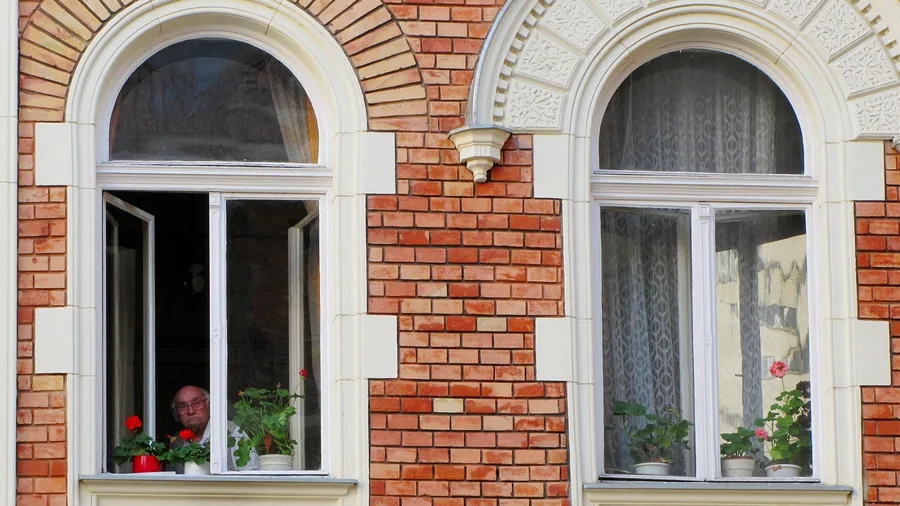
Stepping out the front door feels pointless because decades of full-time employment conditioned your brain to treat leaving home strictly as a billable transaction to earn wages.
For forty years, pulling out of the driveway at 7:30 AM carried clear financial logic. Without an hourly rate or a company production target attached to the morning, unstructured hours lack clear metrics. Non-work outings suddenly feel aimless, like burning ten dollars in fuel on an unearned detour.
Walking around without an assignment feels jarring.
Entering public spaces without a job title, a company badge, or a hard operational deadline strips away your everyday social role. The domestic perimeter becomes an unconscious defensive shield against that awkwardness. Remaining on private property keeps you from confronting the quiet worry that the outside world no longer needs your labor.
Staying on the couch avoids the discomfort of being an idle observer. Until a new daily mission replaces the old paycheck, the simplest economic calculation defaults to staying parked at home.
⚠️ COMMON MISTAKE
Treating Leisure as an Identity Replacement
Assuming hobbies like casual browsing or daytime walks will replace the psychological gravity of a career often backfires. Meaningful routine requires functional stakes, not just empty time to fill.
Fixed-Income Anxiety Turns Every Outing into a Potential Expense

That guilt comes from shifting from asset accumulation to portfolio preservation, which makes every casual outing feel like an unforced drain on your remaining balance sheet.
When money only flows out, small friction points trigger outsized alarms. A $5 takeout coffee, an $8 municipal parking fee, and a $20 diner breakfast stop looking like harmless social rituals and start registering as dangerous leaks in your long-term capital. Fear of outliving savings turns simple lunches into mathematical risks.
The house functions as a zero-marginal-cost sanctuary.
Inside the living room, monthly heating, electric bills, and internet services are already paid for as fixed baseline expenses. Stepping across the threshold introduces variable costs that your defensive instincts want to avoid. You stay seated because sitting in the den incurs zero additional dollars for the day.
Prudent monthly spending guardrails cross the line into isolation when dodging minor fees cuts off human contact. Guarding twenty dollars in daily cash flow should not cost your connection to the physical community.
Commercial Spaces Replace Free Third Places and Discourage Lingering

Public libraries, municipal park shelters, and regional conservation trails offer physical territory where you can spend an entire morning without being pressured to buy a single item.
Decades ago, civic hubs like union lodges, fraternal halls, and downtown recreation rooms offered natural gathering spots for men with modest budgets. As those spaces closed, private retail filled the void. Modern shopping complexes and crowded coffee franchises now enforce unspoken purchase minimums, rapid table turnover, and high background noise.
You cannot linger without buying your seat.
That commercial pressure makes leaving home feel like entering a toll zone. Taking advantage of free municipal infrastructure gives you a destination that bypasses spending anxiety entirely. Reading the morning paper in a quiet library annex or walking a park loop restores an out-of-house rhythm without demanding a credit card swipe.
Mapping out two or three no-cost civic locations in your town eliminates the defensive urge to stay home. You reclaim public space on your own financial terms.
Evaluating Public Destinations in Retirement
Commercial Venues (High Friction)
- Mandatory purchases ($5-$20 per visit)
- Loud ambient music and poor acoustics
- Unspoken time limits on seating
- Transactions replace real human interaction
Civic Spaces (Zero Friction)
- Completely free entry and parking
- Quiet environments with comfortable seating
- Encouraged to stay as long as you want
- Regular community presence without spending
Workplace Friendships Evaporate Quickly Once Common Tasks Disappear
Most workplace friendships dissolve because they were anchored to shared operational tasks rather than deliberate personal organizing.
Stepping into a public park or library alone quickly exposes how much daily connection was tied to the job. For decades, walking onto a plant floor or into a twenty-person department provided twenty or thirty incidental exchanges every morning. You resolved technical problems, debated vendor quotes, and traded sports opinions side-by-side without ever having to coordinate a social calendar.
That passive proximity ends permanently on your final day of work.
Without a concrete job assignment in common, reaching out just to chat feels uncomfortable. Most men avoid the discomfort of initiating casual catch-ups, letting ties with longtime peers go silent within ninety days.
The entire network disappears in months.
Losing that automatic baseline of twenty daily interactions channels every conversational need onto a spouse or domestic partner. When that sudden pressure creates household friction, retreating to a separate chair or bedroom feels safer, cementing the quiet habit of staying home alone.
Physical Slowdown and Minor Ailments Create Travel Friction

Avoiding crowded venues happens naturally when subtle age-related physical changes turn simple outings into exhausting, high-effort logistical operations.
Mild hearing loss makes noisy restaurants and busy stores profoundly fatiguing because filtering speech against background clatter drains mental stamina in under forty-five minutes. Meanwhile, stiff joints, reduced walking endurance, and worries over clean public restroom access transform a twenty-minute errand into a series of physical calculations that feel disproportionate to the payoff.
The domestic armchair offers zero resistance to these friction points.
Inside a quiet, climate-controlled home, there is no noise to decipher, no stairs to climb, and no five-dollar parking meter ticking down on a dashboard.
Retreating to the sofa eliminates immediate discomfort, but prolonged sedentary weeks cause rapid cardiovascular deconditioning and loss of core strength. As stamina drops, the energy required to walk four blocks or stand in line doubles, making the next attempt to leave the house feel even more intimidating.
Daily Outing Friction Audit
Decision Fatigue and Lack of Routine Paralyze the Morning

Deciding what to do each morning feels overwhelming because an open calendar forces you to invent a fresh purpose from scratch every single day.
After decades governed by firm start times, commute patterns, and mandatory operational agendas, waking up to eight completely blank hours creates severe choice paralysis. Without an employer or client expecting you at 8:30 AM, debating whether to drive across town, tackle yard work, or sort tools usually ends in remaining seated.
Postponing a 9:00 AM errand usually kills it by 1:00 PM.
Once the morning slips away, motivation drops, establishing a psychological loop where staying inside on Tuesday makes crossing the front door on Wednesday feel twice as difficult.
Relying on willpower or spontaneous mood to leave the house consistently fails against the pull of familiar comfort. Regaining forward momentum requires locked-in, clock-based external obligations that dictate your arrival time in advance, removing internal morning debate before your shoes are even tied.
💡 PRO TIP
The 9:00 AM Fixed Departure Rule
Schedule any morning departure for an exact clock time rather than a vague window. Treating a 9:00 AM walk or library visit like a formal meeting eliminates internal negotiation.
Volunteer Roles Restore Status and Scheduled Accountability

Committing to a scheduled volunteer shift restores lost occupational structure by giving you a concrete time, location, and operational duty to report to each week. Agreeing to work every Tuesday morning from 8:00 AM to noon eliminates open-ended morning hesitation before it can trap you in the recliner.
External expectations force you out the front door.
Functional positions – such as sorting crate inventory at a regional food bank depot, cataloging gear at a tool lending library, or clearing brush with a trail maintenance crew – deliver immediate, physical objectives. These civic settings operate entirely outside consumer culture, so stepping into the field never triggers fixed-income spending anxiety or commercial purchase expectations.
When volunteer coordinators and crew mates depend on your labor to unload a truck or finish a trail repair, that practical reliance replaces the missing authority and purpose of a former job title.
Knowing that three people are waiting on your hands at 8:30 AM turns leaving the house into an unquestioned operational fact.
Duty returns the moment someone counts on your labor.
Volunteer Shift Setup — Operational Guardrails
⏱️ Starting Cadence
1 recurring shift, 3 to 4 hours max
⚙️ Physical Baseline
Continuous standing or 15–20 lb lift capacity
🛡️ Scope Protection
Decline desk, finance, or committee requests
📅 Trial Period
6 consecutive weeks before adjusting schedule
Burnout Guardrail
Never agree to fill on-call or multi-day coverage slots until the weekly routine has held solid for 60 days.
Skill-Based and Task-Driven Groups Beat General Socializing
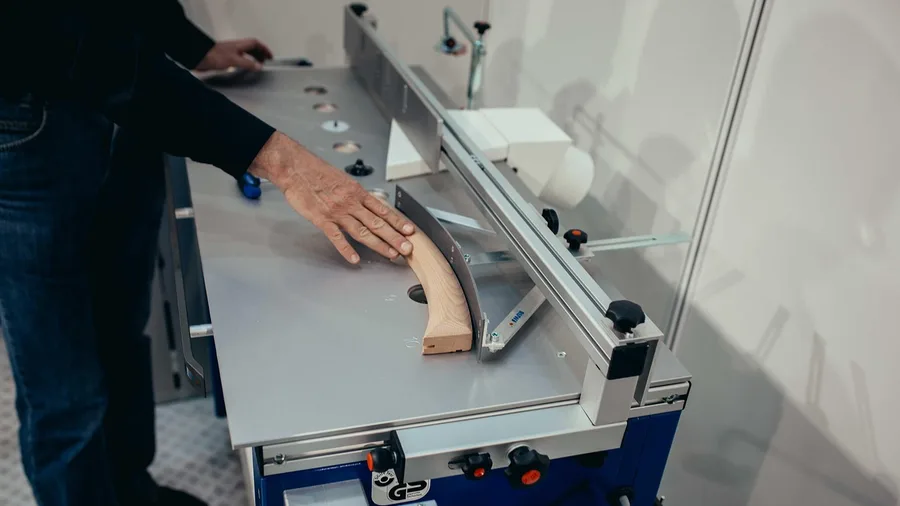
Joining a group centered on a physical task builds lasting peer connections far more effectively than unstructured social gatherings. Men bond most naturally while working shoulder-to-shoulder on an objective, where attention stays fixed on a shared mechanical problem rather than the pressure of making face-to-face small talk with strangers.
Shared labor eliminates awkwardness before it starts.
Organizations like community Men's Sheds, municipal garden construction teams, and volunteer repair cafes anchor every gathering to wood, metal, wiring, and tools. Diagnosing a broken motor or framing a raised planter bed gives your hands a purpose, lowering the social stakes and replacing forced personal conversation with natural technical collaboration.
Existing community infrastructure makes joining these groups straightforward, from local maker spaces and historical society property crews to vocational non-credit workshops at community colleges that charge modest, one-time supply fees under $40.
Showing up to troubleshoot a shared project delivers both regular weekly momentum and the quiet satisfaction of practical craftsmanship.
Real connection happens when everyone is looking at the work.
🧭 A 3-Step Plan to Rebuild Weekly Outing Momentum
Anchor a Free Destination
Locate a public library or municipal park and commit to visiting every Tuesday at 9:30 AM.
Secure Scheduled Duty
Sign up for one four-hour weekly volunteer shift that requires physical presence and assigned tasks.
Join a Hands-On Workshop
Find a local tool shed, maker space, or repair cafe to work alongside peers on tangible projects.
Frequently Asked Questions
Is it normal for retired men to feel uncomfortable in public spaces?
Yes. After decades of entering public spaces primarily for economic reasons, unstructured free time can feel unearned and aimless. Shifting to non-commercial civic spaces helps normalize your presence outside.
How can I socialize without spending retirement savings?
Focus on civic and task-oriented organizations such as community tool libraries, trail maintenance crews, and maker spaces. These environments center around shared physical labor and require zero commercial spending.
Why does leaving the house feel so tiring after age 60?
Mild hearing loss and sensory fatigue in loud commercial spaces create mental strain. In addition, physical deconditioning from staying home makes the physical effort of walking and navigating public venues feel noticeably heavier.
What is the best way to break the habit of staying in all day?
Do not rely on spontaneous motivation. Establish a non-negotiable morning departure time with an external commitment, such as a volunteer shift or a scheduled group project, to eliminate internal morning debate.
Reclaiming Your Purpose Past the Front Door
Staying indoors after sixty is a predictable response to lost occupational structure and fixed-income caution, not a personal failure. Stepping back into the community requires zero commercial spending and no awkward networking.
Start with a simple three-step reset: schedule a free walk or library visit every Tuesday and Thursday at 9:00 AM, claim a recurring four-hour shift at a local food depot, and join a hands-on repair cafe or workshop group. Momentum replaces the old 80,000-hour work habit the moment a tangible task demands your arrival.
Audit Your Weekly Schedule Today
Review your weekly calendar and schedule two fixed, zero-cost morning commitments to break the domestic comfort loop.