
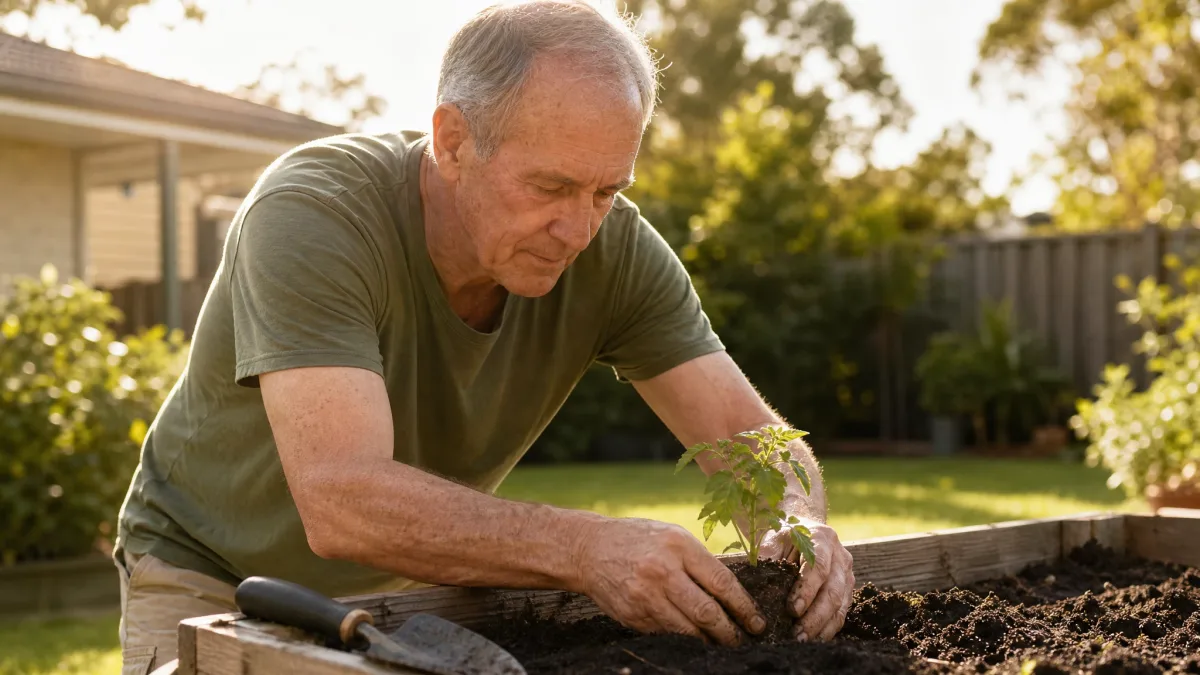
It is easy to see friends enjoying retirement, traveling widely or deeply engaged in their communities. You might wonder if you are missing a piece of the puzzle for true contentment.
That feeling of being behind, or not having enough joy, is common. Many focus on financial stability as the sole determinant of a happy retirement, always asking if they have 'enough'.
However, real happiness in these years stems from more than just financial figures. The most content seniors, aged 65 to 80, consistently possess six specific financial and lifestyle elements. Understanding these allows you to prioritize and cultivate a deeply fulfilling retirement.
The Six Pillars of Later-Life Happiness
A Solid Financial Base Secures Independence

A solid financial base in retirement does more than just pay the bills; it secures your independence and gives you peace of mind.
This foundation covers not only daily essentials like housing and food but also provides the freedom to make choices, whether that's taking a trip, dining out with friends a few times a month, or enjoying a hobby.
A well-structured budget isn't about restriction. It's a tool that actually enables connection, allowing for a weekly coffee meet-up with friends or monthly dues for a club.
That mental freedom, knowing your finances are in order, means your brain isn't stuck worrying about bills or future needs. Instead, it can focus on moments of joy and genuine engagement.
To keep that security strong, plan for inflation, which tends to increase costs by an average of 3% annually over time. Also, account for future healthcare expenses like Medicare premiums, deductibles, and potential long-term care.
Taking these steps preserves your choices down the line, so you remain in control of your retirement life.
💡 PRO TIP
Build a 'Joy Budget' Line
Allocate a specific, modest amount each month for spontaneous outings or small personal treats. This prevents feeling deprived while keeping larger goals on track.
Strong Relationships Combat Loneliness and Isolation

While a solid financial base gives you the freedom to choose, true happiness in retirement doesn't just come from what you can afford, it comes from the people you share it with. Strong, meaningful connections with family, friends, and your community actively build emotional well-being and a sense of belonging, pushing back against the isolation that can creep in as life changes.
Think about how much difference a weekly video call with a grandchild or a monthly dinner with long-time friends can make. These aren't just pleasant outings; they're investments in your mental health.
The science actually bears out that the quality of relationships often outweighs the quantity. Having just two or three truly close, supportive friends who know you deeply can provide far more emotional ballast than a dozen casual connections, especially when life throws unexpected challenges your way.
It takes effort to keep these bonds strong.
Schedule time for them, even if it feels like another appointment. Joining a local volunteer group or a book club, perhaps meeting up twice a month, also offers shared experiences and builds new friendships and support networks.
Investing in Connection: A Time Breakdown
Consistency matters more than intensity.
Engaging Purpose Keeps Life Meaningful and Vibrant
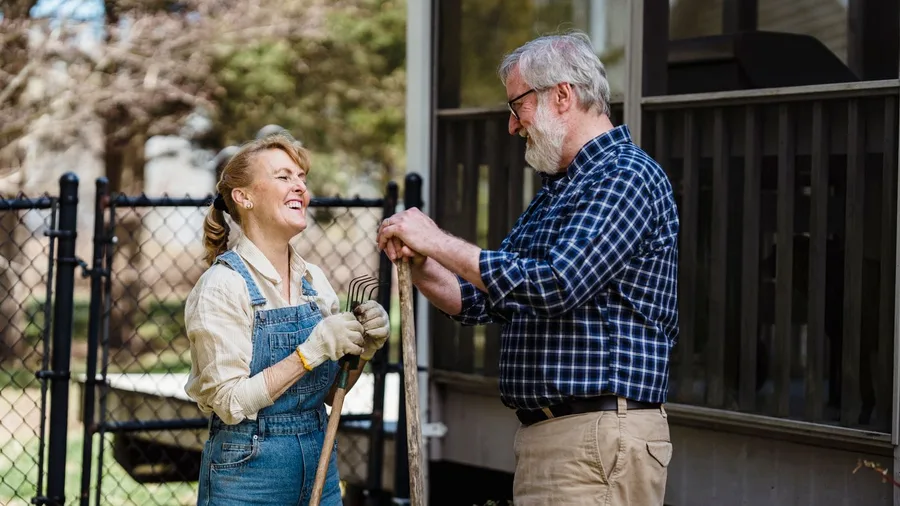
After fostering those strong relationships, many find their next layer of happiness in something bigger than themselves: a sense of engaging purpose. This goes beyond the daily grind of a job; it's about what drives you, fills your hours, and gives you a reason to get out of bed each morning.
A daily sense of purpose actively combats the boredom or apathy that can sometimes settle in after retirement, providing structure and motivation. It truly enriches life.
This purpose could be learning a new skill, like finally tackling that guitar you bought years ago, or dedicating two mornings a week to volunteering at your local food bank. Maybe it's a creative pursuit such as painting or writing, or even something as specific as researching and documenting your family history for a few hours each day.
It doesn't have to be a grand gesture.
Continuous learning, through online courses or community lectures, keeps your mind sharp. Contribution, whether big or small, reinforces your sense of relevance and place in the world, maintaining strong cognitive function.
✨ Your Path to Renewed Purpose
Reflect & Identify
Think about past passions, skills, or causes you deeply care about.
Explore Options
Research local volunteer groups, community classes, or online learning platforms.
Start Small
Commit to a single, low-stakes activity like attending one lecture or a short online course.
Connect & Observe
Engage with new people and see how new experiences make you feel.
Deepen Your Commitment
Gradually increase involvement in activities that bring genuine satisfaction.
Adapt & Evolve
Be open to your purpose changing as your interests and abilities shift over time.
Sustaining Physical Activity Maintains Independence

Sustaining physical activity directly fuels your independence and ability to enjoy the things that give your life meaning, whether that's a vibrant garden or exploring new places. When you keep moving, even in small ways, you directly invest in your capacity to do what you want, when you want.
Maintaining your strength and balance goes a long way towards preventing falls. This translates to practical, everyday wins: the ability to carry two bags of groceries, reach for items on a high shelf, or simply get dressed each morning without needing help. These small victories add up to significant personal autonomy.
Exercise also boosts your mood.
Beyond the physical, regular activity profoundly lifts your spirits and keeps your mind sharp. Even a consistent daily 30-minute walk can release endorphins that improve cognitive function, helping you think more clearly and remember details. It's an easy, natural way to ward off mental fog.
The good news is that "physical activity" isn't about running marathons. It's about finding what works for you. If traditional exercise isn't an option, chair yoga, swimming laps, or even just walking with an aid are fantastic ways to maintain mobility. Even 15 minutes of gentle movement each day makes a real difference.
Consistency matters more than intensity.
Physical Activity: Do This / Avoid That
What Works Well
- Consistent, moderate walks (daily)
- Low-impact strength training (2x/week)
- Balance exercises (standing on one leg)
- Swimming or water aerobics
- Gentle yoga or tai chi
What to Reconsider
- Sporadic, intense workouts
- High-impact joint stress activities
- Ignoring pain for a workout
- Relying solely on household chores
- Anything that compromises balance
Autonomy Over Choices Retains Personal Control

Retaining the ability to make your own daily decisions about your life and future plans is absolutely central to feeling valued and maintaining a strong sense of self-esteem as you age. It's about being the primary author of your own story.
The freedom to choose your living arrangements, whether that's staying in your home or deciding on a specific community, makes a huge difference. Your daily routine, from wake-up times to who you see for a monthly lunch, should remain yours. Even small financial choices, like how you manage your budget or if you make a $50 donation to a local cause, reinforce that control.
Planning is your best tool.
Setting up advance directives clearly states your medical wishes, ensuring your voice is heard if you can't speak for yourself. Naming a power of attorney for financial or healthcare decisions means trusted people can act on your behalf, following your wishes, rather than making their own judgments.
This kind of foresight helps you avoid the difficult situation of feeling reliant on others, or having significant life decisions made for you. That loss of agency can diminish self-worth quickly. Taking these steps early ensures your preferences remain front and center.
Adaptability and Resilience Handle Life's Changes
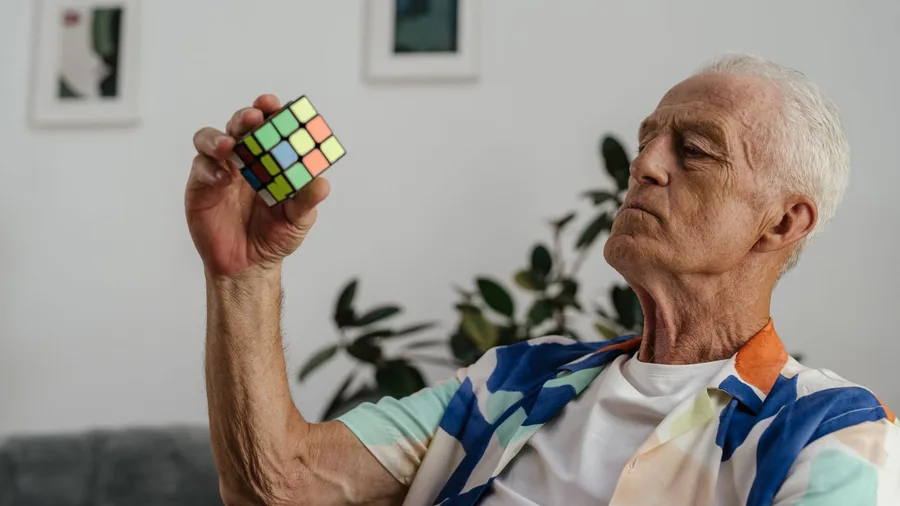
Adaptability is truly the superpower that allows you to navigate the inevitable changes of getting older, helping you maintain a positive outlook and cope with challenges. Life rarely follows a linear path, and your ability to adjust keeps you vibrant.
This means adjusting to everything from health shifts, like learning to manage a chronic condition with a new daily routine, to the loss of loved ones, or even new living situations like downsizing to a smaller home. Being flexible helps you find new ways to connect and engage, even when the old ways are no longer possible.
Setbacks are just adjustments.
A resilient outlook helps you see challenges not as roadblocks, but as opportunities for adjustment. Instead of being derailed by a temporary mobility issue, for example, you might explore new hobbies that fit a more seated activity, finding joy in unexpected places.
Cultivating optimism isn't about ignoring problems, but about focusing on your current abilities and finding small joys each day. That could be a 10-minute quiet coffee on your porch, or a successful video call with family. Actively reframing negative thoughts into constructive steps helps maintain your emotional well-being and fosters a positive perspective, no matter what life brings.
Frequently Asked Questions
How much emergency savings should I have in my 70s?
Aim for at least 6-12 months of living expenses in an easily accessible, high-yield savings account. This provides a buffer against unexpected medical costs or home repairs without needing to tap into investments or retirement funds.
Is it too late to make new friends in retirement?
It is absolutely not too late. Actively seek out social groups, volunteer opportunities, or classes that align with your interests. Consistent presence in these settings often naturally leads to new connections and friendships.
What if health limitations prevent me from pursuing hobbies?
Many hobbies can be adapted or replaced with new ones that fit your current abilities. Explore creative arts like writing or painting, learn an instrument, or engage in online learning. The key is finding activities that still bring you joy and a sense of accomplishment.
Should I still exercise if I have chronic pain?
Yes, but with guidance. Consult your doctor or a physical therapist for exercises tailored to your condition. Low-impact activities like swimming, chair yoga, or gentle walking can often reduce pain and improve mobility without aggravating existing issues.
How can I maintain my financial autonomy if I need help managing money?
You can delegate tasks without giving up control. Consider working with a trusted family member or a fee-only financial advisor to help with bill payments or investment tracking, while you retain final decision-making authority. Set clear boundaries and review everything regularly.
Cultivating Your Own Joyful Retirement
True fulfillment in retirement flows from interconnected strengths. Financial security, strong relationships, an engaging purpose, consistent physical activity, personal autonomy, and adaptability – these elements each support and strengthen the others. This richer experience is about actively nurturing these six aspects, far beyond just accumulating wealth.
Reflect on which of these needs the most attention in your own life. Focusing there can be your most effective first step toward a more vibrant retirement, letting you build contentment on your own terms, not constantly comparing your path to others.
Review Your Own Path to Contentment
Re-read the six elements discussed in this article and pick one you want to focus on this month. Take a single, concrete step toward cultivating it in your own life.