

The stack of moving boxes in my garage, labeled 'Winter Linens,' felt heavy as I stared at them, still packed after my fifth move.
Retirement was supposed to be about settling into a perfect new home, but I instead found myself unpacking and repacking five different times. Each location, from Sarasota to Columbia, rarely matched the initial dream, leading to repeated disappointments.
My experience taught me that finding a successful retirement move comes not from popular ideals or postcard views, but from deeply understanding what truly makes a place 'fit' your daily life.
This piece shares the specific lessons from my winding path, giving you a framework to create a personalized 'retirement lifestyle' checklist so you can skip the moving trucks I endured.
My Unsettled Retirement Journey Began with High Hopes

After decades in my New Jersey home, retirement felt like an open door.
I was ready to shed those long, gray winters and start fresh. The promise of sunshine and new adventures was a powerful pull, imagining myself somewhere completely new after a lifetime of routine.
My initial criteria for this big move were, in hindsight, remarkably vague. Warm weather was a given, of course. But beyond that?
'New experiences' and 'an active social life' topped my list. I hadn't truly defined what those would look like day-to-day for me, relying too much on common assumptions.
I fell for a common trap: believing my 'perfect place' would just happen, guided by popular notions of retirement. There was excitement, yes, but also a deep undercurrent of not knowing what I truly needed. I had to learn that the hard way.
My Retirement Moves — At a Glance
Florida Beaches Offered Sunshine, Not Substance
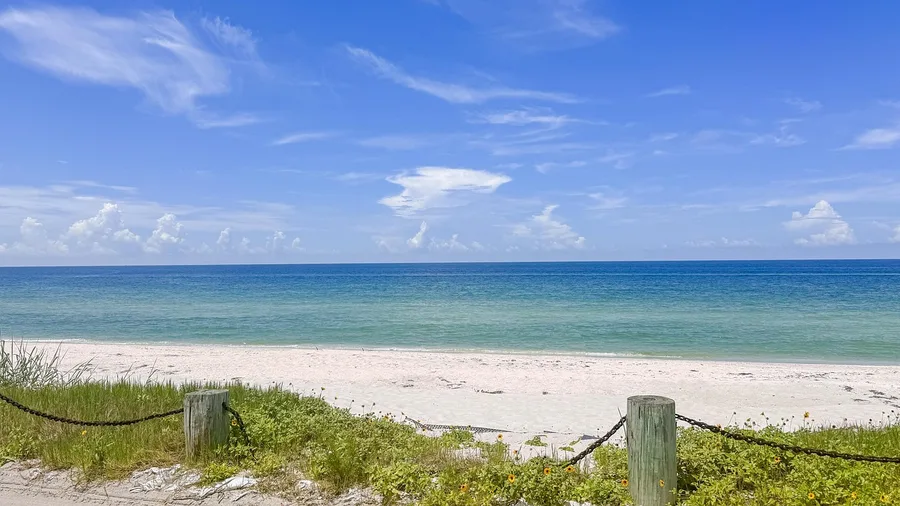
My first actual move in search of that 'perfect place' took me straight to Sarasota, Florida, where I lived for 18 months.
The warm weather and the promise of beautiful Gulf beaches were an irresistible draw after years of East Coast winters. I imagined long, peaceful walks along the shore, a truly relaxed lifestyle.
What I found, though, was a very different reality for day-to-day living.
The tourist crowds were overwhelming, especially during peak season, making simple errands a chore. Summer brought intense, suffocating heat that often made being outdoors feel completely miserable for months on end.
Beyond the climate, a perceived lack of intellectual community was a big letdown. I missed engaging conversations and cultural events.
My imagined 'fit', built purely on sunshine, didn't account for my daily need for meaningful social and cultural substance. A postcard view isn't enough to build a life on.
Sarasota, FL — My First Move Details
❄️ Core Motivation
Escape Northeast Winters
🕰️ Tipping Point
Dissatisfaction by Month 6
🛍️ Crowd Impact
Errands Took 2x Longer
🥵 Heat Constraint
No Outdoor Activity Jul-Oct
🗣️ Cultural Gap
Few Local Discussion Groups
Lesson Learned
Surface-level attractions rarely sustain daily life long-term.
Asheville's Mountains Were Scenic But Too Costly and Remote

I needed more than just sunshine, so I packed up and moved to the Asheville, NC area, where I stayed for two years. The initial draw was powerful: stunning mountain scenery and a lively arts scene that promised cultural engagement. I pictured crisp, cool air and vibrant creative energy.
It wasn't quite what I expected.
Living there for 24 months revealed significant practical challenges. My housing costs jumped almost 30% compared to Florida, putting unexpected pressure on my fixed income.
The charm of a remote mountain home faded fast when I realized getting to a specialist doctor or even a larger grocery store often meant a 45-minute drive down winding roads. That's a huge consideration as you get older.
What's more, those beautiful autumn leaves eventually gave way to surprisingly cold winters. I hadn't accounted for several inches of snow and ice, and my heating bills were much higher than I'd planned.
Ultimately, scenic beauty didn't 'fit' with the everyday realities of my budget and the long-term accessibility I knew I'd need. It was another hard lesson learned.
Comparing Housing Costs: Asheville vs. My Budget
An Active Adult Community Felt Too Homogenous

After the beautiful but pricey mountains of Asheville, I shifted my focus entirely and moved to an active adult community in Sun City, AZ, hoping a place designed for retirees would finally fit.
I lived there for 15 months, initially drawn by the promise of targeted activities, consistent dry heat, and a structured community where I assumed I'd easily make friends.
The sun was glorious, yes, but the social scene quickly felt homogenous. Every conversation seemed to circle back to the same topics, and I missed the diverse viewpoints and casual interactions I'd always valued. It felt like living in a friendly bubble, but a bubble nonetheless.
Beyond the social aspect, daily life proved surprisingly restrictive. Despite the community amenities, everything was car-dependent. Even a quick trip to the grocery store or a coffee shop meant getting in the car, which felt like an unnecessary chore when I'd hoped for more freedom.
I also deeply missed intergenerational connection. My family was far away, and without younger people around, the community started to feel isolated from the wider world.
Ultimately, a place marketed specifically for retirees didn't 'fit' my need for social diversity and more spontaneous interaction. It wasn't enough to just be around people my age; I needed a richer mix.
⚠️ COMMON MISTAKE
Don't Assume 'Active' Means 'Diverse'
Many retirement communities excel at activities but can lack the broader social and age diversity some people crave. Visit during peak activity times, but also observe the quiet moments.
A Low-Cost Midwest Town Lacked Engagement

Realizing the active adult community was too narrow, I next sought a place that offered diversity and, crucially, affordability, leading me to Columbia, MO, where I stayed for 2.5 years.
My primary draw was the incredibly low cost of living. Rent for a spacious two-bedroom apartment was under $1,200 a month, which was a huge relief compared to my previous stops, and the general pace of life felt quiet and manageable.
However, the cost savings came at a different kind of price. There was a notable lack of the cultural events and intellectual stimulation I craved. Weekends often felt empty, with few options for live music, art exhibits, or engaging lectures that had been part of my life before.
Forming new social connections also proved unexpectedly difficult. While people were friendly, I found fewer established groups or easy ways to meet others who shared my specific interests, especially outside of a university setting that often felt distinct from the wider town.
In the end, despite the financial ease, I started to feel isolated. Affordability alone wasn't enough; the town didn't 'fit' my underlying need for a vibrant intellectual and social life.
Columbia, MO: Affordability vs. My Lifestyle Needs
What It Offered (Pros)
- Low cost of living overall
- Quiet, less hurried pace
- Friendly locals
- Accessible amenities
What It Lacked (Cons)
- Limited cultural events
- Difficulty forming new social ties
- Less intellectual stimulation
- Feeling of isolation
Charlottesville, Virginia, Offered the Ideal Blend of Culture and Community
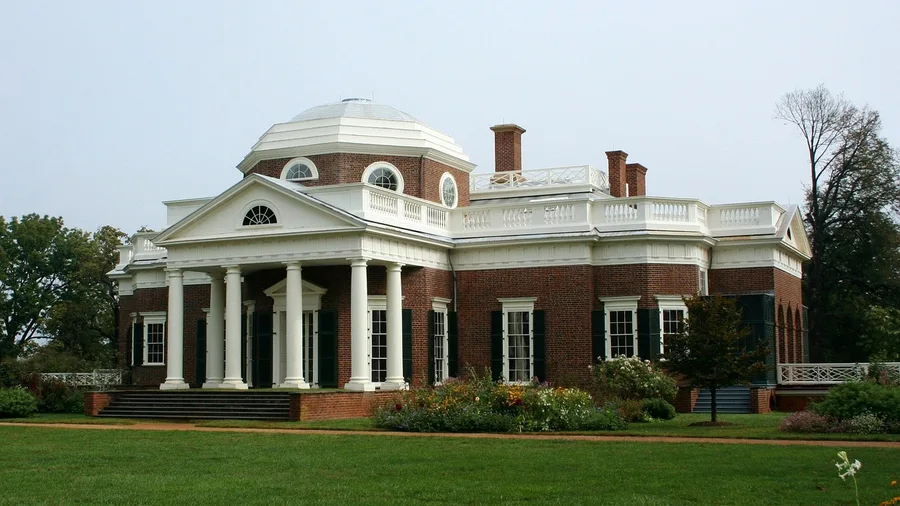
After four moves, each clarifying what didn't fit, I finally had a much clearer picture of what I truly needed, leading me to Charlottesville, VA, where I have happily lived for 3 years so far.
What initially drew me was its undeniable university culture, the charm of a walkable downtown, and a palpable historical character that felt both grounding and alive. It wasn't just pretty; it had substance.
Charlottesville finally met my core needs by offering a strong sense of community. I quickly found engaging local groups and volunteering opportunities, making it easy to build real connections.
The university provides a diverse stream of cultural activities – lectures, concerts, and art exhibits – which was a welcome change after Columbia. I also appreciated having accessible services; nearly everything I needed, from doctors to grocery stores, was within a fifteen-minute drive, often less.
And after years chasing perfect weather, I found myself appreciating the experience of four distinct seasons. Spring blooms and crisp autumns were a joy.
This town finally 'fit' by providing that elusive balance: rich intellectual stimulation combined with the practical daily living needs I now understood were non-negotiable for my happiness.
Charlottesville: How It Ranked on My 'Fit' Factors
Prioritize Lifestyle Needs Over Common Retirement Ideas

After five different homes, the most important lesson I brought away was this: finding the right retirement town begins not with scouting locations, but with deep self-reflection about your own daily routine and what truly makes you happy.
My initial moves were driven by headline attractions – warm weather, mountain views, a lively community. I didn't realize I was skipping the crucial step of defining what an ideal Tuesday afternoon looked like for me, or how I really wanted to spend my waking hours. What you need are your essential daily needs, the things that truly bring you a sense of purpose and contentment, versus the pleasant extras that might sound appealing but aren't core to your well-being.
This means spending an hour or two thinking about your life and noting 5-7 non-negotiable elements for your day-to-day. Do you need walkable access to coffee shops, or is a quiet rural setting your ideal? How often do you want cultural events, or is peace and solitude more your speed?
It's a fundamental distinction. What makes for a great two-week vacation, like the beautiful beaches of Sarasota, often doesn't offer the substance or practical support you need for a permanent home. A true fit for your retirement is defined by how well a place supports your actual daily life, not just its initial tourist appeal or what everyone else thinks is a good idea.
Visit Extensively and Consider a Trial Period

Once you've done that self-reflection and outlined your core needs, the next step to avoid my early mistakes is to thoroughly test out potential locations with extended visits and even a trial period.
I recommend staying for a month or more in any town you're seriously considering. Do this during different times of the year if you can, to really understand seasonal shifts. The intense summer heat of Florida or the surprisingly cold winters in Asheville were things I only truly understood by living through them, not just visiting in peak season.
While you're there, immerse yourself in daily life, not just the tourist hotspots. Go grocery shopping, visit the public library, find out where the nearest urgent care clinic is. Talk to locals at the farmer's market or a coffee shop; they'll tell you far more than any brochure ever will.
The most practical advice I can offer is this: rent in a new town for at least a year before you ever consider buying property. It feels like an extra step, but it's a small price to pay compared to the significant financial and emotional cost of buying and then having to sell if it doesn't work out. This lived experience is the only way to confirm if a place truly aligns with your personal 'retirement lifestyle' checklist.
🗺️ Your Smart Retirement Move Roadmap
Define Your Daily Life Needs
List your true 'must-haves' and 'nice-to-haves' for hobbies, social life, and pace.
Research Beyond Brochures
Look into local culture, demographics, climate, and accessibility for your top contenders.
Plan Extended Visits
Spend at least a month in each potential town, visiting during different seasons.
Engage with Locals
Talk to residents about daily life, community, and any unexpected challenges.
Trial by Rental
Rent for a year or more before buying to fully test the long-term fit.
Re-evaluate Annually
Check in with your needs and the town's offerings as your life and the area evolve.
Frequently Asked Questions
How long should I stay in a trial rental before buying?
A minimum of one year is ideal for a trial rental. This allows you to experience all four seasons, understand local traffic patterns, and truly immerse yourself in the community's daily rhythm before making a long-term commitment.
What if I can't afford multiple moves or extended visits?
If multiple moves aren't feasible, maximize your research upfront. Use online forums, local Facebook groups, and even YouTube videos to get a 'feel' for the area. Focus on one extended visit during the season you'd most want to avoid, to really test its downsides.
Should I move closer to my children or choose a place I love?
This is a deeply personal choice. Consider how often you realistically expect to see family versus your own daily happiness. A town you love, even if further away, might lead to more fulfilling visits. Discuss openly with your family about their expectations too.
How important is health care access in a new town?
Health care access is paramount, especially in retirement. Research local hospitals, specialist availability, and your insurance network before moving. Visit a local clinic or talk to residents about their experiences to gauge quality and wait times.
What hidden costs should I consider when moving to a new state?
Beyond housing, consider state income taxes (especially on retirement income), property taxes, car insurance rates, and the overall cost of groceries and utilities. These can vary significantly and impact your budget more than you think.
Define Your Retirement Lifestyle Match
Building your ideal retirement life begins not with scouting towns, but with deep self-reflection to create your own personalized 'retirement lifestyle' checklist. Focus intently on your specific daily needs, your desires for engagement, and the practicalities of how you want to spend your time.
My many moves, initially driven by vague hopes and what I thought I 'should' want, ultimately clarified what truly defined a lasting fit for my retirement. Your 'one town that finally fits' is unique to you, and it demands understanding yourself first, long before you even begin researching any specific location.
The boxes that once haunted my garage are finally empty, put away for good. With your own clear checklist, yours can be too.
Ready to Find Your Retirement Haven?
Revisit section 7 to start building your detailed 'must-have' vs. 'nice-to-have' list and prioritize your lifestyle needs for a successful move.