

A coworker drops printed reports on your desk.
You are leaving the company in less than two months, and the reality of surrendering these corporate comforts is suddenly very obvious.
Transitioning to a home workspace forces you to replace the physical perks, social networks, and expensive environmental controls you currently take for granted.
Start planning your home office setup now.
By the end of this list, you will know exactly which supplies to stock and which physical boundaries to build in your own rooms before your final Friday arrives.
Quick Tips Before You Start
Print Heavy Files
Run your long personal documents on the commercial machine.
Save Your Data
Move files to a personal drive before handing over the laptop.
Test Your Seating
Sit in your home dining chair for eight straight hours.
Book Coffee Dates
Lock in lunch dates with colleagues while you still share a building.
Corporate Subsidies
The hardest financial hits happen in the background.
Working in a commercial building means the company absorbs the quiet, daily costs of keeping you productive, hydrated, and supplied.
Replacing these invisible subsidies requires direct, out-of-pocket spending.
1. You Can No Longer Print Color Pages for Free

The ordinary moment you hit the print command on a massive, fifty-page color document without wincing at the expense is a corporate luxury rarely acknowledged until it vanishes entirely.
That giant commercial machine down the hall, effortlessly churning out 60 pages a minute, stops being an option the second your access card deactivates. The invisible supply chain that magically restocked those massive, expensive toner assemblies is suddenly replaced by your own checking account.
Home ink cartridges are a direct tax on your wallet.
Keeping a basic residential inkjet running requires dropping forty dollars a pop for a tiny plastic square that dries out in weeks. Every vibrant chart, return label, or reference sheet printed remotely physically drains a tightly managed household budget rather than an abstract departmental fund.
Gather those tax returns, medical records, and lengthy reference manuals right away. Sending them all to the tray while the employer still pays the tab captures the absolute last of this unrecorded corporate subsidy.
Decoding Home Office Tech
2. Instant IT Support Vanishes When Your Screen Freezes

15 minutes is the standard corporate response time it takes an on-site technician to replace a crashing desktop with a loaner laptop. That physical hardware safety net vanishes alongside the free printer ink.
A mid-morning residential router failure or a corrupted software update suddenly belongs entirely to the remote worker. Diagnosing dropped connections, managing network firewall permissions, and paying for an emergency tech dispatch shifts from a quiet corporate background service into a hard personal liability that destroys the whole afternoon.
The immediate threat is total personal data loss.
Moving every personal tax return, scanned lease agreement, and saved password vault off the company machine right now prevents a catastrophic wipe when handing that final device back to the corporate IT desk.
⚠️ COMMON MISTAKE
Do Not Wait Until Friday
IT departments often lock your network access hours before your official departure time. Secure your personal files by Thursday afternoon.
3. The Restocking Snack Fridge Becomes Your Grocery Bill

A mid-afternoon energy slump at a newly assembled home desk often ends with a blank stare into a bare residential pantry, suddenly realizing that another provided resource has entirely vanished. Failing to anticipate the sheer volume of casual daily snacking leads straight to a hungry realization that a subsidized grazing habit now demands out-of-pocket funding.
The free food stops arriving on the final Friday.
The commercial breakroom operates as a magical, self-replenishing engine designed to keep workers comfortably situated near their monitors. Baskets of premium roasted almonds, dark chocolate squares, and endless rows of chilled citrus sparkling water simply materialize on the counters every morning without anyone ever opening a wallet, checking a price tag, or writing a list.
Replicating that exact afternoon treat ritual in a residential kitchen transfers a surprisingly heavy corporate line item directly onto the personal weekly grocery budget. Those casual grabs add up fast.
Maintaining a dedicated daily sparkling water and premium protein bar habit demands deliberate weekend supermarket runs, dedicated pantry space, and careful household financial planning. The casual convenience of grabbing a quick midday snack transforms from a background office luxury into a tangible, recurring residential expense.
Every single afternoon beverage now carries a retail price tag.
The True Cost of Office Snacks
🥤 Sparkling Water
$30/month
🥜 Premium Nuts
$45/month
☕ Coffee Pods
$60/month
Total Hit
A standard daily office snack habit costs over $1,600 a year to replace at retail prices.
4. Mindless Supply Closet Raids Actually Turn Into Theft
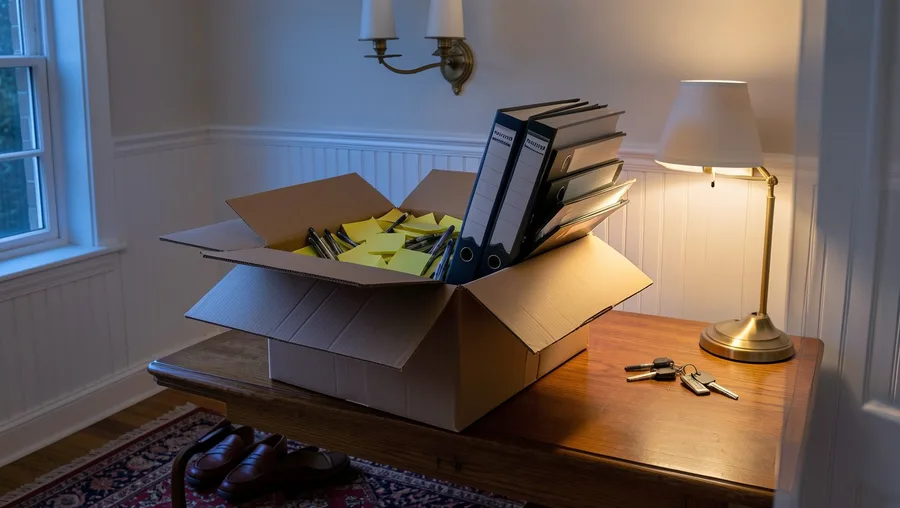
Workers often assume tossing highlighters into a laptop bag is just another corporate perk. Grazing on free sparkling water is expected, but actively pocketing physical inventory crosses a strict boundary.
For years, wandering into the supply room for a fresh stack of canary yellow sticky notes or a smooth-gliding rollerball pen was an entirely unconscious reflex. Setting up a home desk from scratch suddenly means confronting the actual retail markup on those exact same office staples.
Buying basic desktop supplies provides a brutal reality check.
The corporate budget absorbed those minor daily grabs so quietly that they felt entirely free. Shoving a dozen unused legal pads and premium binders into a cardboard box on the final afternoon shifts behavior from maximizing a workplace benefit into committing blatant workplace theft.
Anyone used to an endless stream of free stationery will feel the pinch. Paying for those tools directly is the necessary cost of operating entirely independently.
Corporate Setup vs. Home Office Reality
Corporate Building
- Endless printer toner supply
- IT hardware replacements
- Climate controlled to 70 degrees
- Industrial ergonomic seating
Working From Home
- Paying $60 for ink cartridges
- Troubleshooting your own router
- Spiking summer electric bills
- Funding your own desk chair
Social Anomalies
Proximity breeds connection without any scheduling effort.
Leaving the physical building abruptly cuts off the passive stream of gossip, validation, and casual conversation that breaks up a heavy workday.
Replacing these social tethers requires deliberate planning.
5. Spontaneous Desk-Side Venting Cannot Be Replicated Online
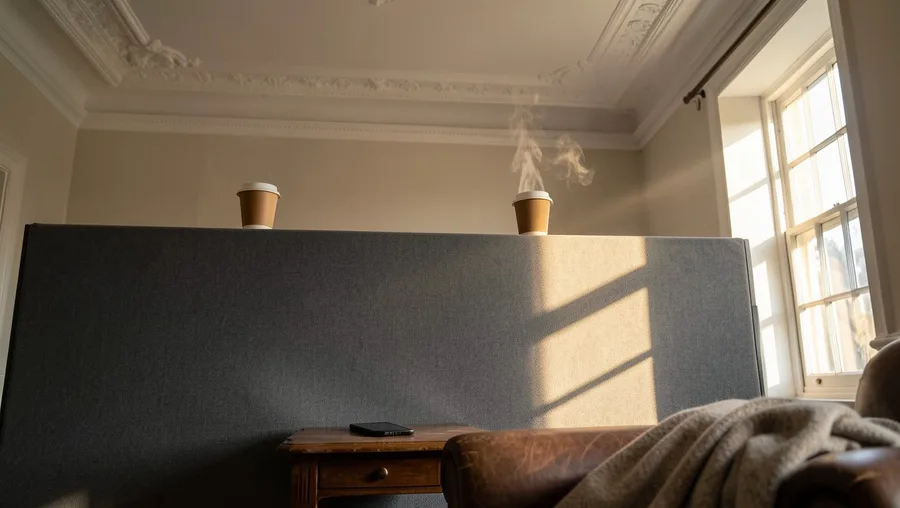
Trading stolen highlighters for a home desk is an immediate physical shift, but an empty residential living room lacks the built-in social ecosystem of a bustling commercial floor.
Standing up to lean over a fabric-wrapped cubicle partition delivers instant validation over a maddening client email. That shared eye-roll disappears completely at home. Drafting a text message or forcing a calendar invite just to complain builds a heavy artificial barrier, killing the organic release of simply turning a desk chair around.
Virtual frustration stays entirely isolated.
Securing a final standing lunch reservation with a favorite office confidant anchors that connection right now. Getting a date on the books prevents the relationship from dissolving the second physical proximity ends.
6. Passive Eavesdropping No Longer Feeds You Office Gossip

Direct conversations with teammates represent only a portion of how news spreads across an office floor. The rest circulates purely through ambient sound.
Open-plan architecture turns everyday noise into a continuous stream of organizational intelligence. Listening to a director's phone call three desks over or catching a conversation between project managers reveals shifting priorities, client friction, and internal reshuffling weeks before those details ever appear in a polished company memo.
A home office offers absolute, uninterrupted silence.
That quiet isolates the remote worker from the unspoken context that makes daily decisions clearer. Nobody sends a formal message just to relay subtle office mood shifts.
Replacing that passive information loop requires active, deliberate outreach once the commute stops. Without the background hum of the department feeding situational awareness into the room, staying informed means asking direct questions and booking short calendar calls simply to discover what used to filter through the air for free.
💡 Tip: Join industry-specific Slack or Discord channels to recreate that passive stream of background news.
💡 PRO TIP
Set Up Digital Coffees
Schedule recurring 15-minute video chats with your closest colleagues now, while you still share a calendar system. Keep them short and agenda-free.
7. Zero-Effort Small Talk Disappears Without the Breakroom
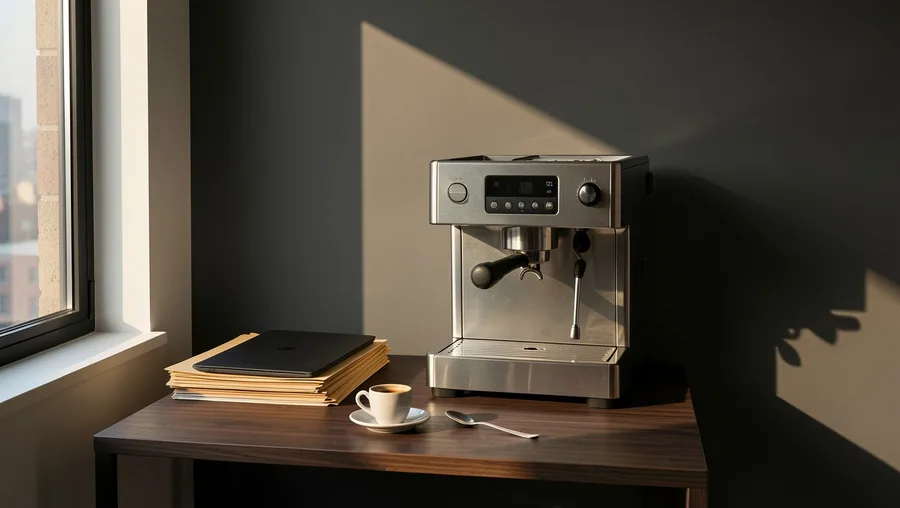
A 90-second wait for the breakroom coffee machine provides an effortless stream of low-stakes human contact. That ambient workplace energy naturally generates brief, face-to-face encounters requiring zero advance planning or social preparation.
Solitude quickly replaces these accidental daily chats.
Standing by the water dispenser or riding down four floors with colleagues breaks up six long hours of focus work. You exchange brief pleasantries about weekend plans or bad weather before returning to a desk. These quick touchpoints lighten a demanding afternoon, providing a low-pressure social break that clears your head without requiring deep personal engagement.
A residential desk offers no such ambient company.
Seeing another human face during a remote workday requires scheduling virtual calls days in advance or deliberately arranging coffee meetings. Replacing that built-in corporate social structure demands active effort, turning what used to be a zero-effort perk into something you must intentionally organize and maintain yourself.
The Physical Environment
Corporations spend heavily to control the physical reality of the workday.
When you step out of that managed environment, the burden of building physical boundaries and buying supportive furniture falls entirely on you.
8. Your Spine Will Miss the Corporate Ergonomic Chair
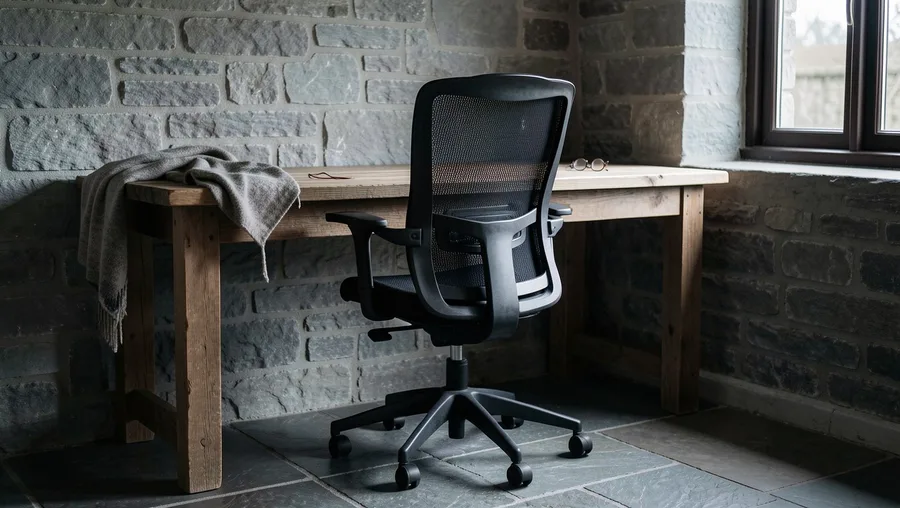
Most people assume leaving corporate life simply trades unwanted breakroom chatter for total daily freedom at the kitchen counter. The physical reality of that trade hits your lower back before the first week ends.
Corporate facilities quietly absorb thousands of dollars in ergonomic infrastructure.
An HR department routinely outfits workstations with a standard $1,200 Herman Miller Aeron or Steelcase Leap chair built for hours of precise lumbar alignment. Transitioning home often means swapping that high-grade adjustable support for a rigid wooden dining chair. By week three, dull lower back aches and shoulder tension turn a quiet domestic workspace into a daily physical strain.
Replacing commercial-grade seating out of pocket creates an immediate financial hurdle. Outfitting a new home office with true commercial ergonomics demands significant cash right when your regular corporate paychecks are shifting.
A bad chair ruins focus faster than a noisy neighbor.
Negotiating with facilities management to purchase your current ergonomic chair before your final day bridges this gap cleanly. HR departments frequently allow departing employees to buy active desk furniture at steep asset-depreciation discounts, preserving your physical comfort at home without forcing you to absorb full retail pricing on day one.
9. Running the AC All Day Suddenly Costs Money
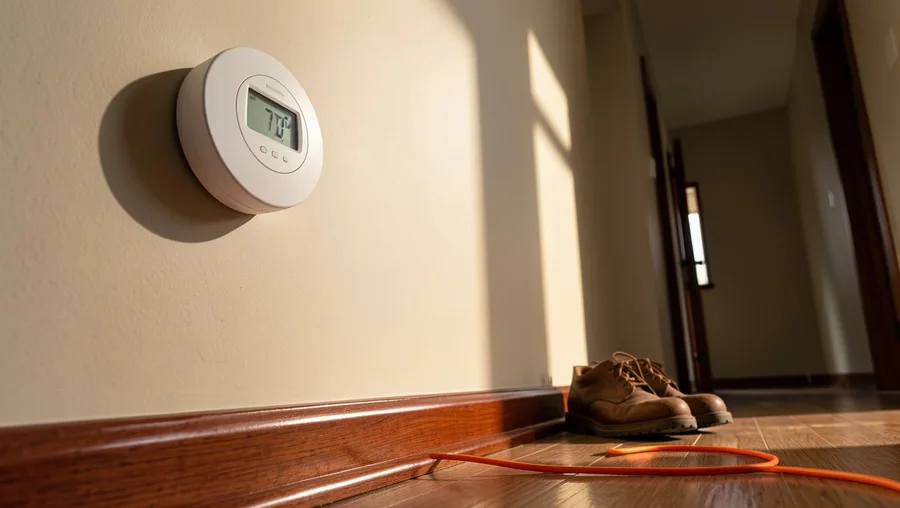
The corporate subsidy for physical comfort extends far beyond the expensive desk seating, relying on a massive invisible energy budget that completely vanishes at home.
A commercial HVAC system holds an entire office building at a constant 70 degrees through brutal July heat waves and dark January freezes. Leaving banks of overhead lights on and blasting the air conditioning all day costs the worker absolutely nothing out of pocket.
That free climate control ends instantly.
Running residential climate control for an extra 40 hours a week shifts that heavy load directly onto the personal ledger. Opening the first summer statement reveals a shocking daytime utility bill, proving exactly how much that background temperature regulation actually costs.
10. Swiping Out Will Not Create a Physical Boundary
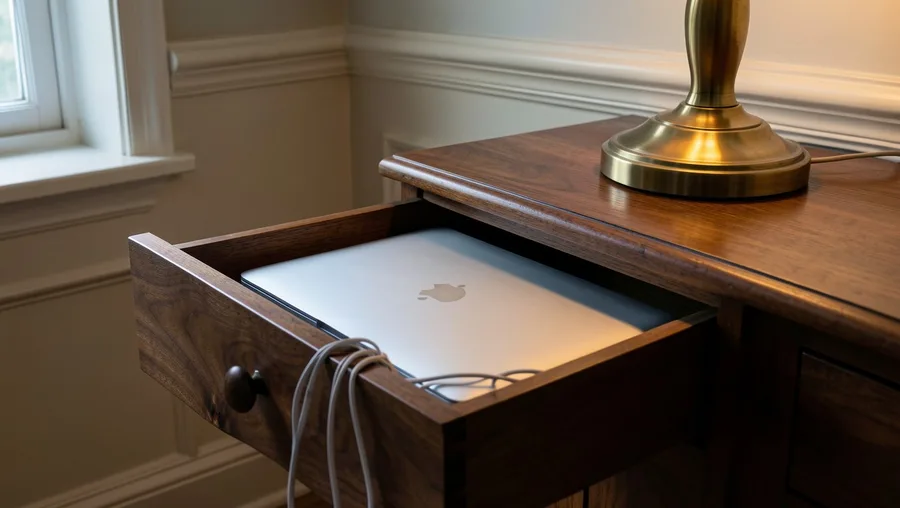
The corporate headquarters dictates the temperature, but it also forces a definitive endpoint to the afternoon. Without a physical exit, leaving the laptop open on the coffee table means the work never actually stops.
Swiping a badge at the exit acts as a hard stop.
A desk wedged into the corner of a living room removes that geographic defense completely. When the glowing monitor sits exactly three feet from the sofa, the professional and the personal collapse into a single anxious blur. Answering messages late at night happens simply because the keyboard remains visible.
The solution requires engineering a new closing time.
Stash the machine inside a solid walnut credenza or a lidded seagrass basket. Shut down the harsh task lighting and switch on a warm amber table lamp to signal the shift. Forcing these physical decor changes replaces the lost building exit with a visual boundary that protects the night.
11. The Commute Ceases to Be Your Decompression Buffer
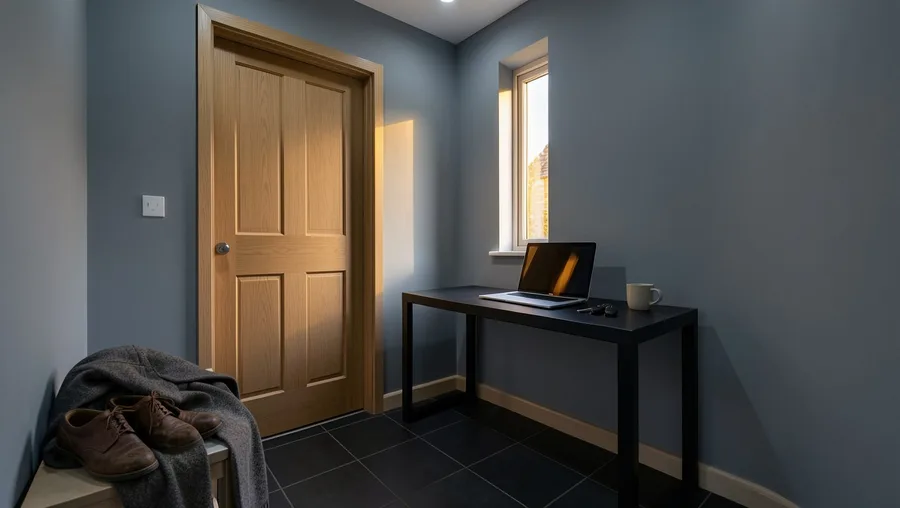
Trading a corporate badge swipe for a ten-second walk down a residential hallway eliminates the required downtime that actually separates a workday from a living room. The physical exit alone is never enough.
A typical 30-minute transition time spent on a train or in traffic forces a rigid wedge between daytime demands and evening routines. That daily transit window acts as a mandatory holding pen where professional frustration dissipates before it ever reaches the dinner table.
The sheer boredom of driving acts as a necessary emotional filter.
Listening to a designated podcast or an aggressive playlist in transit provides a quiet psychological benefit long before walking through the front door. Without it, the office bleeds straight into the kitchen.
Replacing that built-in isolation means engineering a deliberate gap into the schedule. Faking a commute by walking around the neighborhood block before logging into a morning meeting builds an artificial buffer at home. Claiming those thirty minutes requires stepping outside instead of walking straight to the desk.
Frequently Asked Questions
Should I try to buy my office chair before I leave?
Yes. Speak to your office manager. Companies frequently sell depreciated assets for a fraction of the retail cost, saving you hundreds of dollars on commercial-grade seating.
How much does a home office setup actually cost?
A proper setup with an ergonomic chair, a solid desk, and a second monitor easily exceeds $1,500. Budget for this out of your final paychecks.
What is the best way to handle the lack of IT support?
Invest in a dedicated mesh router system for reliable internet, and pay for an automated cloud backup service to protect your files.
Will I actually miss my commute?
You will miss the psychological boundary it provided. Without a commute, your brain struggles to switch gears between professional demands and personal time.
Designing the Next Phase of Work
Losing those invisible amenities is simply the necessary cost of trading rigid corporate limits for total personal freedom.
These final two months offer a strict timeline to drain the last drops of commercial luxury rather than just checking off the calendar days.
Trading that standard $1,200 ergonomic office chair for the absolute freedom to build a personalized, independent room is a profound upgrade. Pick up that freshly bound report, let the commercial HVAC system pay for your physical comfort one last time, and start mapping out exactly where the new home desk needs to go.