

For years I kept a credit card I was afraid to open and a stack of subscriptions I could not name, and I told myself retirement was a number other people got to reach. So I stopped guessing and went looking for people who had actually landed it.
From January 1 to December 31, 2024, in Tucson, I copied the shared routines of 38 retirees, ages 62 to 84, met through the Catalina Retirement Club and a Saturday pickleball group. Every one of them said they were happy with retirement. My own 2023 baseline was $4,250 a month, and I wanted to know what their habits would do to it.
What I found was not a secret portfolio or a contest in going without. It was narrow rules, each with a job: cash for groceries, a two-day wait before buying, a labeled account for car repairs. By December my spending was $3,860 a month, $390 less, $4,680 across the year, and the bigger change was a fuller calendar.
For someone at 46 worried about both money and loneliness, the test is simple: does a habit save a real dollar, cut a real risk, or add a real person? The ten that held sort into three places to begin, a leaky monthly budget, an aging car, or a thin social calendar, and one first move is already clear, a money-date Saturday plus one filled envelope, or the $150 car transfer.
Quick Tips Before You Start
Judge by one month
Run a habit for 30 days before you decide if it works. Anything shorter is just enthusiasm.
Name the destination
Redirected money that has no name gets absorbed back into groceries.
Automate the boring part
If a habit needs a weekly reminder in your head, it will not survive a busy month.
Count it, don't estimate
Write the actual dollar figure down. The number is what tells you if it stuck.
Skip what adds no joy
If a habit makes your week smaller and your bank balance barely moves, drop it.
Everyday Cash Habits
The first three habits all attack the same problem: money that leaves in small, forgettable amounts. None of them require a spreadsheet or an app. They require cash, a delay, and a destination.
1. Cash Grocery Envelope Cut the Bill

The faith is that cash in an envelope is enough. Mine leaked for six weeks, because household supplies and a holiday meal were coming out of it, and the cap turned into a guess. Split those out and the envelope was groceries only, $520 a month withdrawn in $130 Wednesday chunks, down from $615 in 2023.
Sunday night I plan the week and do one main shop, then nothing midweek except milk or produce. The bill dropped $95 a month. It stuck because the cash runs out before the month does, not because I got more disciplined. If a card tap total is what drifts, try one month of $130 a week and see.
When the numbers fight, this needs your own arithmetic, not mine. A household of five and a household of one are not the same $520.
💡 Tip: Withdraw on the same day every week and shop once. One main shop plus a Sunday meal plan is what makes the cash last.
| Habit | Monthly effect | Who it suits first |
|---|---|---|
| Cash grocery envelope | Groceries down from $615 to $520 | Anyone whose grocery total drifts with card taps |
| 48-hour rule | Impulse spending down $140 | Budget leaks in $30–$300 clicks |
| Home coffee | $45 redirected to travel | Daily small treat, no travel line |
| Monthly money date | Caught $140 duplicate, avoided $60 fee | Autopay and a packed calendar |
| Car-repair fund | $150 saved monthly | Older paid-off car, no repair line |
| Keeping the 2014 CR-V | Avoided a $420 payment | Known-history car, safe and reliable |
| Gift envelope | $75 saved monthly | Charges December, pays it off in February |
| Library and potlucks | Eating out down from $310 to $160 | Social life defaults to restaurants |
| One portfolio review | $350 one-time, no trades | Long-term index-style saver who checks daily |
| Weekly volunteer shift | Replaced about $80 of paid fun | Thin calendar after work ends |
2. The 48-Hour Rule Stopped Impulse Buys

Forty minutes, $140 a month. That is what the two-day wait bought me. A planner's note handed me the link and I'd say it plainly: the grocery envelope only catches the food you meant to buy. The next leak was the unplanned thing that never belonged in any envelope.
The setup is one list, kept wherever you already look at your phone. Anything nonessential over $50 goes on it with the date, and you buy nothing from that list for two days. Groceries, gas, bills, and a broken essential are exempt and come out of their own envelopes. That's the whole system, and then you leave it alone.
The mechanism is delay, not denial. Willpower fails at the click; a date on a note does the refusing for you. A $329 lamp sat on my list through the wait, and by day two I could see I wanted the idea of the lamp more than the lamp. Impulse spending fell $140 a month.
Set a recurring reminder for the first of the month to check the list and clear it. Don't check it daily; that turns a quiet system into a little nag. This is the value of automating the rule instead of yourself.
Who it's for: if your budget leaks in $30 to $300 clicks rather than one big purchase, this is your entry point. Nothing here is forbidden. It's postponed, and most of it never comes back.
💡 Tip: Keep the threshold at $50, not $200. The $60 and $90 purchases are where the leak actually lives.
3. Home Coffee Funded a $540 Trip

Put a monthly date on the calendar to count two things: how many café cups you actually bought, and what the redirect is up to. When I first tried the cut, I quit the café cold and made it two weeks before I went back to five cups a week. The daily treat was doing work the ledger never saw, and the rebound was worse than the baseline. Cutting a daily small treat with no replacement is a weekly punishment. The version that held kept the cup.
Five $2.50 cups a week became one, and that one Saturday meet-up stayed because it was the social hour, not the coffee. Home cups cost about $0.45 each. The round figure left was $45 a month, and I sent it straight to a travel line.
At the check-in, the second thing to look at is whether the money reached its destination. That month it did, to the tune of $540 over the year. The redirect works because the money has a name, not just a hole.
The third check is the honest one: if the cup is the only good thing in the week, keep it and cut somewhere else. What I look at twelve months later is not the coffee total but whether the trip happened. It did.
Bills, Cars, and Gifts
These four habits deal with money that does not leak — it arrives as a spike. A duplicate charge, a brake job, a December of gifts. The retirees I copied all treated spikes as predictable, not as emergencies.
4. A Monthly Money Date Caught Errors
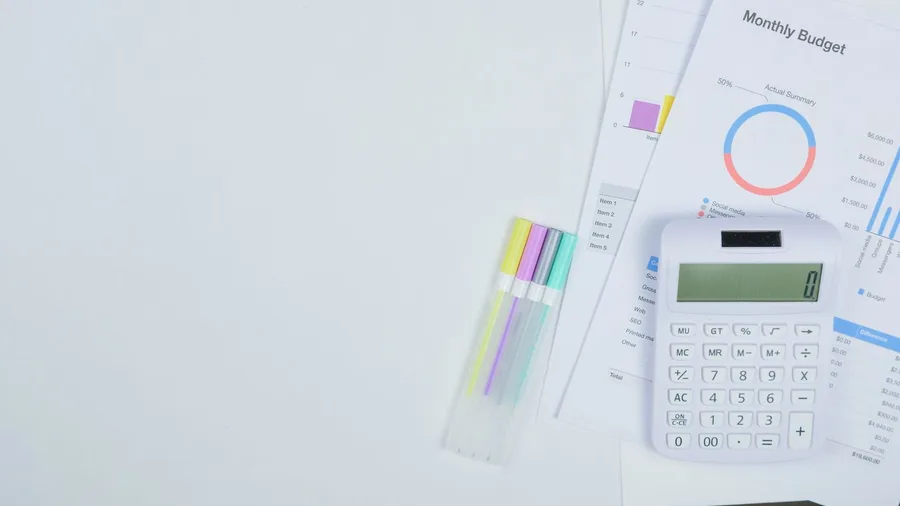
One short sitting a month, before anything is due. Coffee money you can see leaving your hand; a duplicate charge on a card statement you never open just sits there. So I blocked out the first Saturday morning of every month, thirty minutes, coffee on the patio, a paper calendar on the table, and I wrote down every due date landing in the next thirty days.
The bills themselves stayed on autopay the whole year. The date was for reading, not for hand-paying. In one sitting it caught a $140 duplicate charge I got refunded, kept me ahead of a $60 late fee, and flagged an insurance increase a full month before renewal, while I could still call and argue about it. That is $200 the sitting found or saved, against 30 minutes.
It held because it was monthly and short. A daily balance check would have lasted two weeks and died. If you have autopay and a crowded calendar, this is your first copy: pick a Saturday, set a timer, and read what already left your account.
⚠️ COMMON MISTAKE
The money date is not a budget meeting
The mistake is turning it into a two-hour review of every purchase. Keep it to 30 minutes and three jobs: check for duplicates, check due dates, check one balance. That is it.
5. A Car-Repair Fund Covered a $900 Job
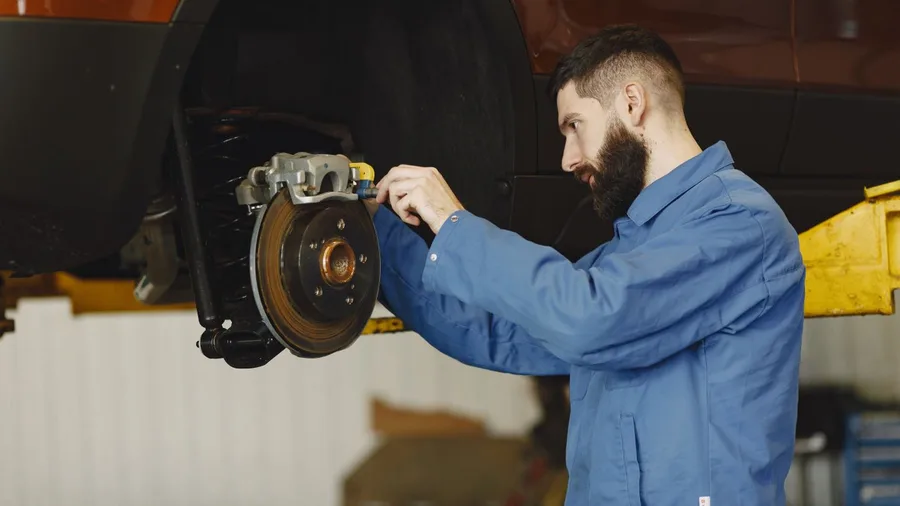
The shop called on a Tuesday in March with a number I didn't want to hear: $900 for brakes and an alternator on the CR-V. I'd been setting aside $150 a month for eleven months, and I paid it out of that account without touching the rent money.
That's the whole point of the transfer, and it's also the honest catch: for most of a year, $150 a month leaves your checking account and does nothing visible. No bill gets paid. Nothing gets better.
I set it to move automatically into a separate online savings account labeled repairs and maintenance. Gas and insurance never came out of it, so the balance only ever meant one thing. Separating the money this way took willpower out of the decision: it moved on the same day each month whether I was paying attention or not.
So the fund held when the shop called, and $450 was still sitting there after the job. The trade-off is real, though. It's money that has to exist before the repair does, which means you spend a lean stretch now for a bill you can't name yet.
The 2024 average repair on a car this age is a few hundred to over a thousand. That's the range you're saving against, not a surprise.
If $150 hurts, start at $50 or $25. The amount matters less than the label, because the money works by being there before the phone call rather than getting chased after it.
Keep the account boring. No debit card attached, no round-trip transfers out for a weekend. The moment it doubles as spending money, it stops being a repair fund and becomes checking with extra steps.
If your car is older and paid off and you've been treating each repair as an emergency, this is the habit to copy first. A car with a known history and a labeled account behind it turns a $900 Tuesday into an annoyance instead of a crisis.
💡 Tip: Name the account 'car repairs' in your banking app. A generic savings label is the fastest way to spend it on something else.
Car-Repair Fund — The Numbers Behind It
🎯 Target balance
$1,000 to $1,500 — one big job plus a cushion
⏱️ Time to first fund
11 months at $150; about 2 years at $50
🚫 What to keep out
Gas, insurance, registration — separate buckets
🚗 New-car payment avoided
About $420 a month, or $5,040 a year
⚠️ If you skip it
$900 goes on a card at ~20% APR — months of interest
The counterintuitive part
The fund works because it sits idle. A balance you can see but never spend is the whole mechanic — raid it once and you are back to chasing repairs after the fact.
6. Keeping the 2014 CR-V Beat a Payment
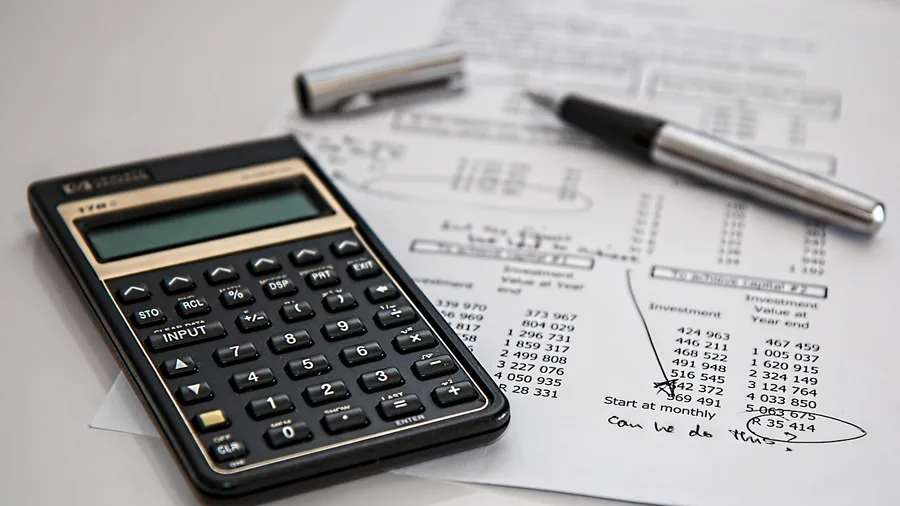
Keeping a paid-off 2014 Honda CR-V was cheaper than replacing it, and this is the month that a decision starts costing you.
Insurance ran $1,080 a year and routine maintenance about $400. Add the $900 brake and alternator job and the year still came in far under what a $420 monthly new-car payment would have taken from me.
The reason to run this comparison now, not next year: every month you keep a car without a payment is a month you can put $150 into the repair fund, and every month you delay that fund is a month a bill has to go on a card. Repairs on a car this age tend to bunch up rather than wait. The test isn't nostalgia. It's safety and reliability holding, and repairs staying below a year of payments.
If either is slipping, the math flips and you should look at replacing it. If both hold, a paid-off car with a known history and a funded repair account is hard to beat.
The Breakeven Test: When Keeping the CR-V Stops Working
Keep it if annual repairs stay under this
- Repair + maintenance + insurance must clear $5,040 a year — the cost of $420 monthly payments
- My 2024 total was $2,380, leaving $2,660 of headroom
- Fund the $150 monthly repair account on the 1st, before anything else
- Never let the fund dip below $500 — one brake job is $900
Replace it when two of these hit
- Repairs pass $5,040 in a single year — that is your down payment spent twice
- A safety failure: brakes, steering, or airbags, not cosmetics
- Two breakdowns in six months, even if the repair bill was small
- A new payment needs 20% down plus a 6-month emergency fund first
7. Gift Envelope Prevented a January Balance

December arrives whether or not you saved for it, and that is the part that stings. You know the gifts are coming, you know roughly who is on the list, and still the card comes out and January turns into a payment plan. A car repair is a spike you can budget for with a separate account; gifts are a predictable annual bill that people charge on purpose because it feels like the only month that matters.
The version of this that holds is smaller than it sounds: $75 a month, moved automatically into a labeled gift envelope starting in January. That is $900 across the year, and it was almost exactly what I spent on holidays and gifts in 2024. The list comes before the shopping, not after. If your wish list is bigger than mine, raise the monthly amount now, in a calm month, instead of discovering the gap in a Target aisle on December 20.
Cheap Social and Annual Routines
The last three habits are about time, not dollars. They are the ones that kept my weeks full and my portfolio out of my daily attention. Retirees who are happy with retirement tend to have a schedule, not just a budget.
8. Library and Potlucks Cut Social Spending

The fear here is real and I want to name it: that cutting restaurant spending means cutting friends. For me it did not work that way.
Once the annual costs were covered, the question became what fills a Saturday without a check. Library events cost nothing and were on a schedule I could see in advance, which turned out to be the whole trick. A potluck cost me about $12 in ingredients. A senior center membership ran $25 for the year. My eating out fell from $310 a month to $160, and I kept one restaurant lunch a week so the friends who only meet over a table still got their table.
Here is the part I did not expect. Free events are not the same as free plans, and for years I had treated them as interchangeable. The library had a speaker on a Tuesday and I never once went, because I had not written it down next to the people I wanted to see. Scheduling it was the difference between a habit and a good intention I could feel virtuous about from my couch.
Your calendar will look emptier before it looks fuller. That is normal and it passes.
9. One Portfolio Review Replaced Daily Checking
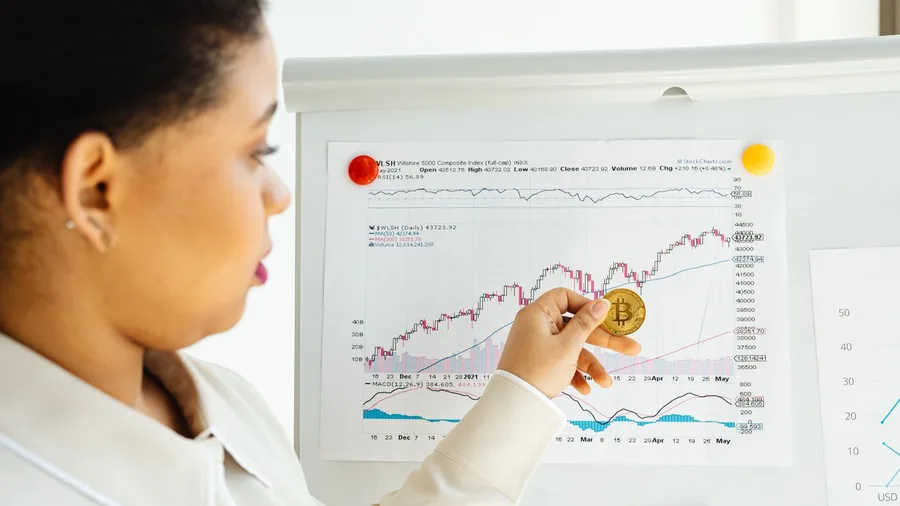
The phone comes out at 7 a.m. and again at lunch and again before bed, and every check of the balance is really a small question: is it still there? I knew that feeling well. A cheaper calendar solved the spending side of my year, but the money I had already saved kept tapping me on the shoulder, and for a while I answered every tap.
treating daily balance-checking as diligence. It is not a plan and it is not a measurement. The price of a share moves on news I cannot read in advance, and clicking refresh does not change a single holding. What it does is turn a long-term saver into someone reacting to noise in real time, which is exactly how people sell low and buy high.
So I paid $350 once for a fee-only review. Fee-only means the person is paid by me, not by a commission on what they sell me, which is the only kind of review I trust. We went through three things: the mix of stocks and bonds I actually held, the fees hiding inside those funds, and whether my cash reserve matched my real expenses. After that meeting I made no trades for the rest of the year. I looked at balances once a month, on the money-date Saturday, with a pen and a calendar instead of a panic.
The $350 bought me fewer clicks, not a prediction, and that distinction matters. This fit because my portfolio is simple and long-term, mostly broad index funds I do not touch. If your holdings are complicated, or a job change, an inheritance, or a big health shift lands in the next twelve months, one review a year is not enough, and that is a conversation to have with a fiduciary who can see your actual numbers.
If daily checking is your habit, do not try to quit cold. Move the app off your home screen and put one monthly check on the calendar, same day as the money date. The balance will be there in thirty days. Your attention does not need to be.
10. A Weekly Volunteer Shift Replaced Paid Fun

Six hours a week is what the food bank asked for, and for the first three Saturdays I resented every one of them.
That is the feeling worth naming, because it is the one that keeps the calendar thin. Once the balance checks stopped eating my mornings, I had attention left over and nothing scheduled to put in it. The stuck belief was that free time should feel like a reward, so I treated an empty Saturday as a thing to protect. What I actually did with it was scroll, then buy something to break the quiet. Paid entertainment was never really entertainment. It was a way to fill an hour I had not planned for.
So I signed up for one shift a week at the food bank, packing produce boxes from 8 to 2 on Saturdays. It cost me a standing slot in my weekend and about $9 in gas a month.
Here is what I did not expect. I stopped spending roughly $80 a month on the paid stuff that used to absorb those hours, and the number that sticks with me is $960 across the year. But the savings was the smaller result. What the shift actually gave me was an anchor, the same six faces, the same folding table, the same argument about whether the cans go on the left or the right. I had not had a recurring appointment with people since an office job ended.
The mechanism is not complicated. A scheduled obligation removes the decision. When Saturday morning is already spoken for, I am not browsing for something to do, so the $80 does not get spent because the question never comes up.
I want to be honest about the cost, because this is not a free hobby. Six hours is a real chunk of a weekend, and I gave up a standing pickleball game for it. If your week is already crowded, start with one shift a month and see whether the routine takes hold. The habit is the recurrence, not the hours. A monthly Saturday does the same work as a weekly one for a person whose calendar is full.
The people I copied this from were mostly past the point where a job set their week, and a few of them told me the first year of retirement was the hardest for exactly this reason. One woman, 71, said she ate lunch out four days a week her first winter just to have somewhere to be. Six months into her food bank shift, she was down to one. That is the reframe I would hand a reader who is close to the edge of work: the empty hour is not a luxury to protect, it is a gap that costs money to fill. Fill it with something scheduled and useful, and the spending stops asking to be spent.
💡 Tip: Pick a shift that starts before 10 a.m. Early commitments survive the week; afternoon ones get cancelled.
📋 How to test any of these habits in a single month
Pick one habit
Choose the one that matches your biggest leak, car risk, or emptiest day.
Set the number
Decide the exact dollar amount or hours before you start.
Automate or schedule it
Put the transfer or the calendar event in place the same day.
Log what changes
Write down the actual dollars or hours at the end of 30 days.
Keep or drop it
If it stuck and saved something, keep it; if not, try another one.
Frequently Asked Questions
Is it too late to start these habits at 46?
Not even close. I started at 46 and the first year moved my monthly spending by about $390. The habits work because they are small and repeatable, not because they need 30 years to compound. Start with the one that matches your biggest leak.
How much should I keep in a car-repair fund?
Enough to cover one major repair without touching your emergency savings. For my 2014 CR-V that was $900. A common target is $1,000 to $1,500 for an older paid-off car; adjust for the age and history of yours.
Should I pay off debt or save first?
It depends on your numbers. If you have no cushion at all, build a small one first, around $500, so a surprise does not become new debt. Then attack the highest-interest debt. If you are deciding between a large payoff and a large investment, run it against your own budget or talk to a fee-only fiduciary.
Do I need a financial advisor to do the portfolio review?
Not necessarily, but if you use one, pick a fee-only fiduciary. I paid $350 for a one-time review and made no trades afterward. A commissioned advisor who earns money on what they sell you is a different relationship.
What if I cannot save $150 a month for car repairs?
Start at $25 or $50 and raise it when you can. The point is that the separate account exists before the shop calls. Even $25 a month, automatically, builds the habit and a small buffer.
Will cutting restaurants make me miserable?
It can, if you cut all of them. I kept one restaurant lunch a week and it made the rest of the cuts stick. The goal is a social life that does not default to spending, not a social life with no spending at all.
Sort the Ten Habits by What Your Week Actually Needs
Here is the verdict. The ten habits worth keeping are narrow, boring, and each tied to one problem. If your budget leaks in small taps, start with the grocery envelope, the 48-hour rule, home coffee, the money date, the gift envelope, and the annual portfolio review. If your car is old and paid off, the repair fund and keeping the 2014 CR-V are your pair. If your week is thin now that work has changed shape, the library and potlucks and the weekly volunteer shift come first.
Start this week with the money date: first Saturday, 30 minutes, a paper calendar, and the next 30 days of due dates. In one sitting it found a $140 duplicate charge and avoided a $60 late fee. Then skip the home-coffee cut if the cafe cup is the only joy in your week. The version that held for me kept one $2.50 weekly meet-up and still sent $45 a month, $540 over the year, to travel.
I began with 38 retirees, a $4,250 baseline, and a credit card I was afraid to open. I ended at $3,860 a month, $4,680 saved, a fuller week, and fewer surprises. Pick the first Saturday for that money date, and either fill one envelope with $130 of weekly grocery cash or set the $150 car transfer. Then open the card.
Pick your Saturday and fill one envelope
Put a 30-minute money date on the calendar for the first Saturday of next month, and start the habit that matches your leak. One envelope, one transfer, one month.