

The belief I said out loud, to my wife, in the driveway, was that the garage was already sitting there, so whatever it rented for was basically free money. Then I ran the real numbers.
That was a 420 sq ft studio behind my 1950s ranch house, one tenant, 14 months, $1,100 a month. The headline makes the rent check look like the whole story. It is the gross. I put $58,400 into the build, insurance and water and trash and a repair reserve and lawn care eat about $210 of that rent every month, so roughly $890 is mine. Simple payback runs about 5.5 years, and that clock includes one 3-week vacancy and $1,900 of year-one repairs.
The test is plain: about $890 net on $58,400 only clears if the garage already exists, the build cash is on hand, and you can wait those 5.5 years without needing it. Borrow the build, or lose your only parking, and the answer changes. So judge the net, find the unglamorous costs before they find you, and call the city planning desk about garage-conversion and ADU rules before you spend a dollar on drawings.
Quick Tips Before You Start
Call planning first
Ask the city planning desk about garage-conversion and ADU rules before you pay for a single drawing.
Count the whole build
Permits, furnishings and contingency belong in your total, not in a separate tidy line item.
Settle the submeter at rough-in
Installing a tenant electric meter during the electrical work costs a fraction of retrofitting one after drywall.
Hold a repair reserve
Keep $6,000 back in cash. I spent $1,900 of mine in year one and it was the only reason the math held.
Trade down on finishes
Stock window sizes and plain siding do not affect rent when the comparable nearby rents for $1,350.
Getting to the First Rent Check
Before a tenant ever knocks, there is a stretch of months where money leaves and nothing comes back. That stretch is where most people misjudge this project — not the build itself, but the cash that has to sit in a wall for three quarters of a year.
My own version was eight months from first receipt to first rent.
1. The $58,400 I Spent Before Any Rent
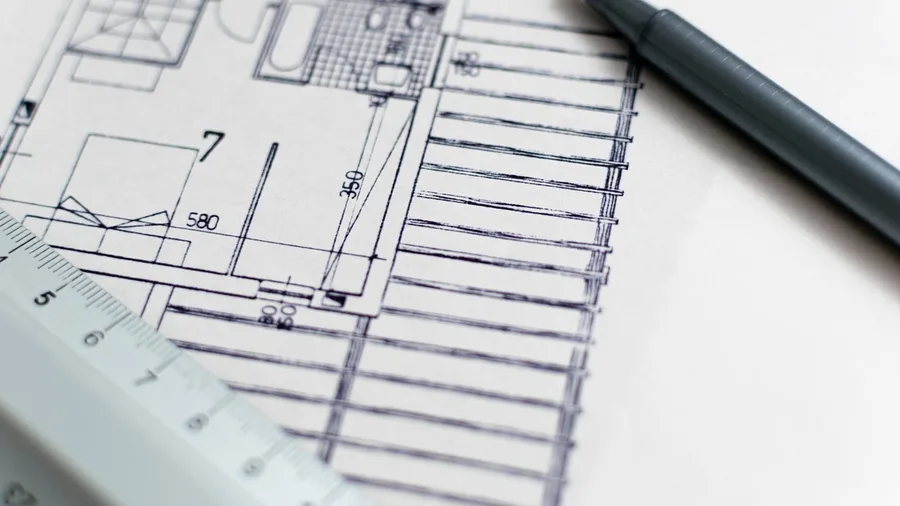
The night I wrote the last check to the electrician, the garage was still a shell with a bathroom framed into the back corner and nothing to rent it to. Total I had put in by then: $58,400.
Three lines ate most of it. Electrical, plumbing and HVAC ran $14,600, kitchenette and bath $12,300, shell and slab and roof $9,800. Another $3,200 was permits and drawings, and $3,200 more was contingency and furnishings – that last chunk is in the build total but it never bought a board or a wire.
can you park $58,400 in this and leave it there for the better part of a year?
💡 Tip: If you cannot put the full build cash in before a tenant does, the arithmetic changes completely. Run that version before you draw anything.
| Line item | Monthly amount |
|---|---|
| Gross rent collected | $1,100 |
| Insurance increase ($340/yr) | -$28 |
| Water, sewer and trash | -$65 |
| Maintenance reserve (held) | -$90 |
| Lawn and snow | -$25 |
| Net to me | $890 |
Where the Money Went, and What I'd Skip
A build total is only worth what its lines can defend, so I went back through mine and asked the same of each one: what did it buy in rent, durability, or a tenant noticing? The $14,600 for electrical, plumbing and HVAC was the part I could not trim, because the submeter, the full bath, the kitchenette and the daily heat and cooling all live in that number. Cutting it would have cut the thing I was renting out.
The $12,300 kitchenette and bath earned every dollar, and I know that from a single sentence. My tenant – not a person who gushes – mentioned once, unprompted, how glad she was that the refrigerator was full-size instead of the little under-counter unit I priced first. Eleven hundred a month buys a full fridge.
Then there was the envelope. Custom windows, door and siding cost me $6,400, and it was the overspend I'd trade down on tomorrow. Stock sizes would have done the same job, and the one-bedroom down the street rents for $1,350, so my trim work was not what set the rent. It was decoration I paid for once and never got a return on.
Keep the systems, keep the wet rooms, and be skeptical of the finishes – and run the test I should have run on every line at the drawing stage: does this show up in rent, in how long it lasts, or in something the tenant actually says? If it shows up in none of the three, that money was for me, not for the property.
2. Where the Money Went, and What I'd Skip

The belief that gets people into trouble is that a build budget is something you set once and then trust. Mine was not. It needed a review, and so will yours.
The part people miss is that the same $6,400 line can look wise in month two and foolish in month fourteen. I did not know the custom envelope was a mistake until a tenant was living there and the rent was set at $1,100 against a nearby one-bedroom asking $1,350. That gap is the thing to check against, not your taste.
So the check-in is not a feeling. It is three numbers, looked at on a schedule.
First, once a quarter, pull your actual monthly net and set it beside the build total. My $890 against $58,400 is about a 5.5-year payback; if yours is drifting toward seven or eight, the lines inside it need a hard look, not more optimism.
Second, at the one-year mark, walk the build line by line with the tenant's habits in mind. Did the money you spent on finishes show up in how they use the space or what they comment on? Did the systems hold? If a line produced nothing you can point to, that is your trade-down candidate.
Third, review your reserve against real repairs, not imagined ones. My $90 a month exists because year one cost me $1,900. If your repairs are running below the reserve, you are building cushion; above it, the reserve was too thin and the next bill lands on your rent.
None of this is a verdict on whether you built well. It is how you keep the numbers honest after the dust settles.
💡 Tip: Stock window sizes and a standard door will save you real money and no measurable rent. Spend the difference on the bath.
The $58,400, Line by Line
The Honest Monthly Math
The $1,100 is what the tenant pays. It is not what I keep, and the difference between those two figures is where most garage plans quietly fall apart, because the plan was built on a number that was never mine. Four costs come off the rent every month, and two of them don't care whether I have a tenant or a bad quarter.
Insurance runs about $28 a month, after the homeowners policy had to be swapped for a landlord policy when the studio started being rented; the switch added $340 a year and covered occupancy the old policy didn't. Water, sewer and trash are $65 and stay in my name because the studio shares the house's service. Maintenance reserve is $90. Lawn and snow, $25. Subtract all four and the rent leaves me about $890.
The $90 is the one people misread. Nothing gets spent out of it in a quiet month; it sits as a held balance for repairs. But the tenant can't pay rent out of a reserve account, so it still comes off what I can call spendable. That's $210 between gross and net, before a single vacancy or repair, which means $1,100 a month at $58,400 would take about 4.4 years to pay back. On the honest net it's about 5.5.
So do this before you price a build: write the four carry costs down, subtract them from the rent you're planning to charge, and pay the build back out of what's left. If the payback number still works for you, the plan is real.
3. Seven Months of Evenings and Two Hired Trades
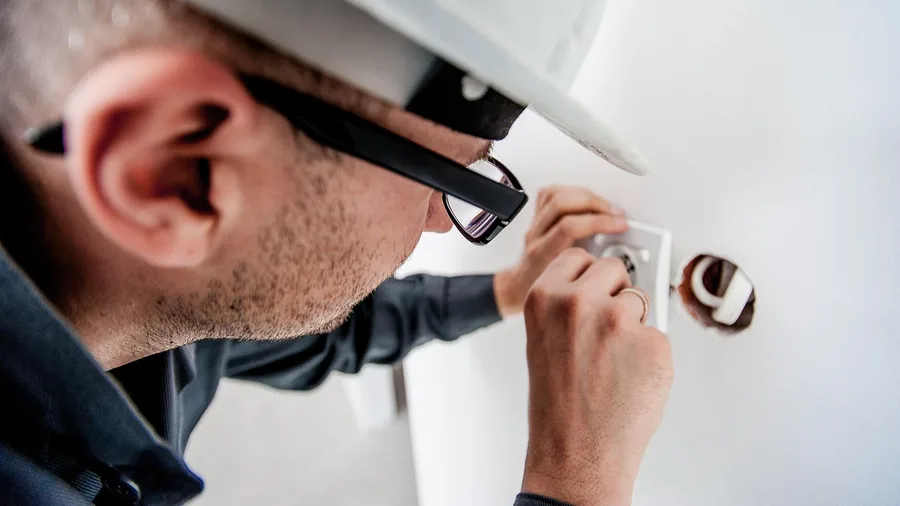
You picture a stack of weekends, a fast build, and your own hands covering all of it. That picture is why the timeline surprises people, and why I tell anyone asking about converting their garage to make two calls first.
The six weeks of permit and utility review ran before anyone picked up a hammer, and that clock starts at the counter, not at demolition. After that it was seven months of evenings and weekends, with a licensed electrician and plumber subbed out and the framing, insulation, drywall and finishing done by me. Month four slipped two weeks waiting on the electrical rough-in inspection and the sub's available slot.
That schedule only held because the labor was mine. If you're not doing the work, add calendar as well as cash. Before you plan a thing, sit down with your own calendar and a rough quote from an electrician and a plumber, so the schedule is built from your hours and their rates instead of a wish.
The honest monthly math
4. The $1,100 Is Gross; About $890 Is Mine

Subtract four recurring costs from the rent and what's left is your income.
Gross rent is $1,100. Insurance takes about $28 a month, the residue of a $340 annual increase once the property moved to a landlord policy that actually covered tenant occupancy. Water, sewer and trash are $65 a month and stay in my name. A maintenance reserve gets $90, and lawn and snow run $25. That leaves about $890 a month, and $890 against the $58,400 build is a simple payback of roughly 5.5 years.
The $90 deserves a second look, because it isn't a bill. It's money set aside for repairs, a held balance that sits there until something breaks. But you can't hand it to yourself as spending money, so it comes off the top like everything else, and that's the point: an occupied studio is still a building with a roof.
Reading the $1,100 as profit overstates the monthly result by about $210 before vacancy or a repair shows up, and both of those arrive eventually. The sum to do first, before you compare this to any other use of your money, is net after carry. The $1,100 is a headline. The $890 is the check you write your budget against.
💡 Tip: The overstatement is about $210 a month before vacancy or repairs. Budget from the net, never the headline rent.
🗓️ From First Phone Call to First Rent Check
Call the planning desk
Confirm garage-conversion and ADU rules with your city before spending anything on drawings.
File the permit packet
Submit the plat, parcel number, garage dimensions, a hand sketch and the intended rental use.
Wait out the review
Mine took six weeks, and the schedule started there, not at demolition.
Rough in the systems
Electrical, plumbing and the tenant submeter go in before drywall closes the walls.
Finish and inspect
Drywall, kitchenette and bath, then final inspection sign-off.
Screen and sign
Credit check, proof of income, lease, one month deposit, first month rent.
5. Insurance and Water Cost More Than I Budgeted

The bills that show up after move-in are not a trap. Every one is predictable, and each costs less than people fear, provided you make the phone calls while the paint is still wet rather than after the first claim lands on your desk.
The one that caught me off guard was the policy. My agent went quiet for a second, then told me the old homeowners policy would not cover a paying occupant in the garage. I swapped to a landlord/dwelling policy and the premium went up $340 a year, roughly $28 a month. That conversation should have happened the week the tenant was approved, not before the first claim question.
Water, sewer and trash became my problem to carry. The studio ties into the house's service with no separate meter, so those bills stay in my name to the tune of $65 a month. I knew it going in; it still stung the first time I saw a bill that only covered someone else's showers.
The $90 a month repair reserve is the honest part of the math. Year one brought $1,900 in fixes, and the reserve is a held balance, meaning it sits there and only gets drawn when something breaks. It is not a bill paid out monthly; it is a bill that arrives eventually.
💡 PRO TIP
Make the insurance call first
Ring your insurance agent before you sign a lease, not after the first claim question. Switching to landlord coverage after a tenant moves in is a mess you can avoid with one phone call.
6. The Tenant Pays Electric on a Submeter
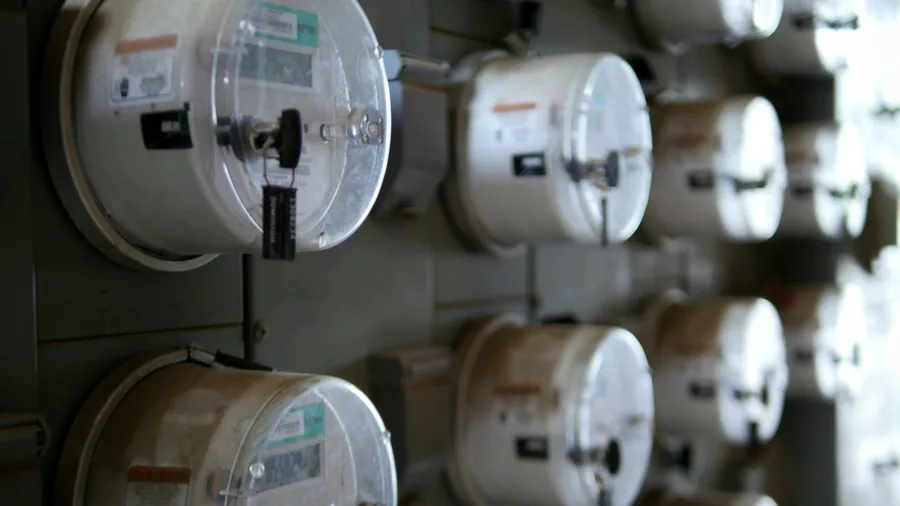
One submeter, installed as part of the $14,600 electrical work, is the whole utility split.
The belief a lot of people carry is that splitting utilities with someone in your backyard means a second set of accounts, a second water bill, a second everything. I held it too until I looked at the actual lines. Water, sewer and trash stay one shared bill in my name, because no separate water meter exists and adding one was never worth the plumbing. Electric is the only utility that gets its own meter, and the tenant pays it separately through that meter: rent is $1,100, electric is theirs, and the split has never been an argument.
The habit that makes it hold is small. On the first of the month the tenant reads the meter and sends a photo, and the payment arrives with the rent by transfer. If no photo by the fifth, I walk to the side of the garage and read it myself; a failed display is mine to fix through the electrician. Settling this during rough-in, before the walls closed, is the whole trick: retrofitting afterwards means drywall, cost and a monthly fight you can never win.
7. Long-Term Versus Short-Term: the Math Both Ways

Do the arithmetic and most of the premium evaporates before it reaches your pocket, but the honest answer is genuinely more money on paper and near-zero free time to earn it.
The long-term side is the one I run: $1,100 a month, about $890 after carry, the tenant covers electric on the submeter, and there is no cleaning bill because I clean it once a year, not once a week. One tenant has stayed 14 months.
The nightly version looks brighter on the gross line. At $95 a night for 16 nights a month you would take in $1,520, before the $85 cleaning per turnover and the utilities now included in the rent. The number that hits your account is a lot closer to what the long-term tenant already sends.
try two nights a month and see what the cleaning bill and the guest messages do to your evenings. If you can absorb that alongside a day job, scale up; if not, you have learned the answer for the price of one weekend.
Which one suits you is really a question about your calendar. Long-term pays less and asks for almost nothing after the lease is signed; nightly pays more and turns the studio into a job with check-in times, cleaning schedules and supply runs.
💡 Tip: One 3-week vacancy in 14 months is the real-world version of the long-term math. Budget for it.
The Numbers That Decide It
My actual conversion, not a survey
What the build and the tenant actually demand
8. The Permit and Utility Checks Took Six Weeks
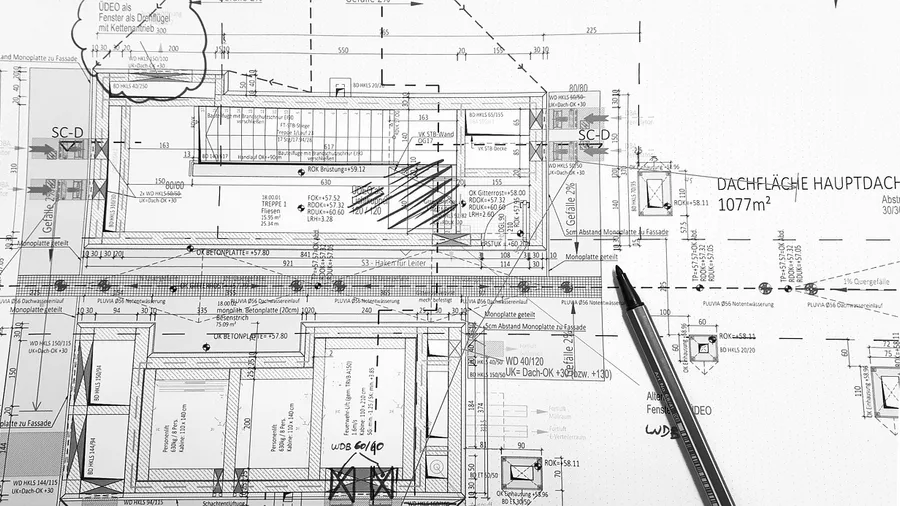
Make two phone calls before you pick up a hammer: the city planning desk and the utility.
I made them before I drew anything, and that order was not caution, it was self-preservation. Both offices wanted the same starting facts: the property's plat and parcel number, the footprint of the detached 22 x 22 ft garage, and a plain description of what I intended to put inside it. My version was a napkin sketch of the 420 sq ft studio, full bath and kitchenette drawn in, with one line at the bottom saying I planned to rent it out.
That sentence about renting is the one that shapes the answers.
A garage conversion and an accessory dwelling unit can fall under different local rules, and the counter staff can only tell you which ones apply once they know you intend to collect rent. That is also where the utility question lives: whether the electric can be separately metered through a submeter and whether water has to stay shared. On my side the submeter went in as part of the $14,600 electrical work and the tenant reads it on the first of each month; water stayed on my account because the service runs shared from the house and no separate meter exists. That split was settled at a counter before drywall, and it cost me nothing but the wait.
The wait is the trade-off. The permit and utility review took six weeks, and those six weeks ran before a single nail went in – the paperwork had to start first, and it ran longer than the framing did.
the clock kept running while I did nothing I could photograph. I could not swing a hammer on anything that mattered, because the electrical rough-in, the submeter placement and the utility sign-offs all hung off the approvals. Six weeks is a rough sketch for the reader, not a promise; a city with more review steps or a utility with a longer queue can stretch that, and the longer it runs the further out the first rent check sits.
$3,200 of the $58,400 all-in total went to permits and drawings. That figure did not move whether I approved it or not, and it is the reason the phone calls came before the spend rather than after it – a fractional lot, an easement or an added parking rule can turn a conversion into a no, and better to get that news before a dime goes to a draftsman.
I am one homeowner in one mid-size city. My city's answer is not the reader's answer, and I would not treat it as one: call the planning department, name garage conversion and ADU as the two possible categories, describe the intended rental use, and let them tell you what your parcel requires before the first drawing exists.
What the Build Rewards and What It Punishes
Worth the money
- Electrical, plumbing and HVAC at $14,600 — it carries the submeter, bath and heat
- Full-size refrigerator in the kitchenette — the one thing the tenant mentioned
- Submeter installed at rough-in, before drywall
- A held repair reserve of $6,000
Money that bought nothing
- $6,400 of custom windows, door and siding
- Soundproofing added after drywall instead of before
- Reading the $1,100 as profit
- A garage with no parking left behind it
9. What Went Wrong Cost Me $1,900
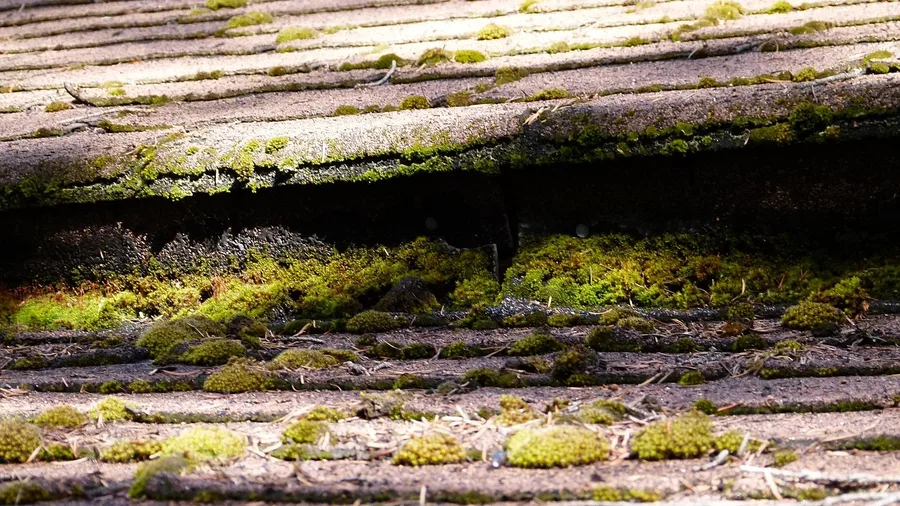
The rear corner leaked after the first heavy rain, and my stomach dropped watching a brown stain spread across the fresh ceiling. That leak cost $640. The roofer fixed the flashing at the rear corner, not the whole roof, so the bill stayed small only because the problem did.
The reordered window cost $410, one pane that came the wrong size and had to ship twice before the final inspection would pass. The soundproofing cost $850, and that one still bothers me, because the tenant heard more through the wall than either of us expected in month one, and the fix went in after the drywall was already up. A smarter builder specifies the wall and ceiling assembly at the drawing stage and catches it before the walls close. The roof was execution, the window was measurement, but the soundproofing was mine to prevent.
The lesson is not the $1,900. It is that every one of these landed in the first year, before the reserve had a chance to build, and automating the reserve is what kept them from turning into a credit card balance. Set up a separate savings account on the first of each month, feed it $90 automatically from the rent, and do not touch it for anything but a repair. Then leave it alone. Do not raise the transfer after a quiet month and do not skip it after a loud one. The account does the deciding so you are not making a willpower call at 9pm with a bucket under a leak.
⚠️ COMMON MISTAKE
One tenant is a small second job
Roughly four hours a month of admin, plus the odd evening call. If that is not acceptable, this is not the passive income the headline promised.
What the Build and the Tenant Actually Demand
Nobody photographs the four hours a month. The listing sheet shows the vaulted ceiling and the kitchenette; it does not show you at your kitchen table reconciling a rent transfer, squinting at a photo of a submeter, filing a receipt. That is the real cost of an occupied unit, and it arrives whether or not you have time for it.
Mine runs about four hours a month of ordinary admin: rent, the submeter photo, receipts, scheduling, the occasional evening call. Some months it is a text. Some months it is two hours on a Sunday tracking down a plumber who will show up. Add to that the screening work up front, a credit and background check and proof of income before anyone signs, and you are suddenly running a small business out of your back yard.
The hidden number is the surprises. Year one, $1,900 of repairs came out of a $6,000 reserve I had set aside for exactly this. Then a tenant moved out and the unit sat empty for three weeks while I cleaned, relisted and screened the next one. Nobody pays you for a vacancy.
So before you build, open your calendar and count the four hours against a real week. If a day job plus evening calls is not something you want, the net is not passive income and the honest answer may be to stop at the drawings. If it is, the work is small and the checks clear.
10. One Tenant Is a Small Second Job
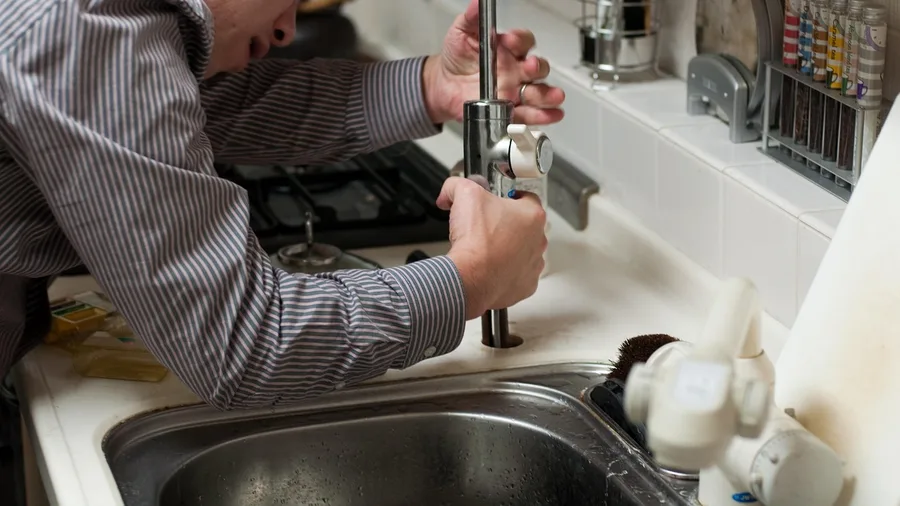
Start the clock on the boring part before the first tenant moves in, because that is the cost nobody prices into the rent. The repairs come in bursts and then go quiet, but the small work runs every month, whether or not anyone calls. Mine lands near four hours: collecting rent, reading the submeter photo off a phone screen, filing receipts, booking the occasional repair, and the evening call that arrives while dinner is on the table.
If that sounds like a second job, it partly is one. Finding the tenant took a neighborhood email list and a rental listing, then a credit and background check and proof of income before I handed over the keys against a one-month deposit and first month's rent. In 14 months I have had one tenant and a single 3-week gap between them. The phone has rung at 9pm. It has never rung at 9pm twice in one week — but it has rung.
That is where the $6,000 cash reserve earns its place. I set it aside before the first lease, and $1,900 of it went out in year one. When the tenant texted about a drafty wall, the reserve meant I could book the fix that week without waiting for rent to clear. The repair cost money. The wait would have cost the tenancy.
So run the honest test on yourself before you run it on a spreadsheet. Four hours a month, the occasional evening call, and a cash cushion you do not touch for anything else — if all three fit the life you actually have, one unit sits fine beside a day job. If any of them does not, the $890 is not passive income. It is a small business with one customer, and you are the one on call.
Frequently Asked Questions
How much should I keep in a repair reserve for a garage conversion?
I held back $6,000 and spent $1,900 of it in the first year on a roof flashing leak, a reordered window and added soundproofing. That size of reserve is what let me book repairs without pulling from rent. A smaller reserve would have meant a very different first year.
Do I need a separate electric meter for a converted garage?
No, but you want one at rough-in. Mine went in as part of the $14,600 electrical work, before drywall, and the tenant reads it monthly. Retrofitting a submeter after the walls are closed costs more and causes friction with the tenant.
Can I still use my garage for parking after converting it?
Not in my conversion — the 420 sq ft studio with full bath and kitchenette filled the 22 x 22 ft garage. If that garage is your only parking, work out where the cars go before you commit to anything. Losing parking is part of the cost.
How long until a garage conversion pays for itself?
At my numbers, about 5.5 years: $58,400 divided by $890 a month of net income. That assumes the tenant is in place most of the time, the reserve is not drained repeatedly, and no major system fails. Nothing about that payback is guaranteed.
Should I borrow the $58,400 rather than use cash?
That is a decision for your own numbers, and one worth running past someone who can see them — a fee-only fiduciary or a CPA. At today's rates, a loan on top of the carry I described would change the monthly math entirely, and probably for the worse.
Whether the Garage Works Depends on Three Things You Already Own
Here is the verdict by situation. If you already own the garage, have the $58,400 in cash and can wait about 5.5 years to get it back, this can work. If that money has to be borrowed at today's rates, or the garage is your only parking, it stops working, and no clever build detail fixes that.
The $1,100 headline meets the $890 check once insurance, water/sewer/trash, the repair reserve and lawn and snow come out. Fourteen months, one tenant and one 3-week vacancy are the real shape of the income, not the brochure shape.
So make the first call before the first drawing: the city planning desk, garage conversion and ADU rules, your address. The lines that decide this are boring – the six-week review, the submeter, the $90 reserve, the $1,900 repair year – but for the right owner they add up to a small second job with a payback, and that is the free-money belief I started with, corrected.
Make the Planning Desk Call Before the Drawings
Ask your city's planning desk about garage-conversion and ADU rules today. It is free, it takes one call, and it decides whether the rest of this arithmetic applies to your lot.