

You sit at the kitchen table late at night, staring at a bank statement that feels smaller than it should, wondering if it is too late to build something of your own.
It is entirely normal to feel anxious about money as your priorities shift, but fear does not have to dictate your next chapter.
This is fixable, and you do not need a massive venture capital fund or a twenty-year runway to start making steady extra income from something you genuinely enjoy doing on a Tuesday afternoon.
When I started selling my ceramic planters at local farmers markets, I only had $50 worth of clay and a backyard kiln.
You can pick and choose which steps fit your current season of life instead of trying to overhaul everything by Friday morning.
Quick Tips Before You Start
Keep Costs Low
Never buy commercial-grade equipment until your hobby sales cover your material costs for three straight months.
Separate Your Cash
Open a distinct checking account specifically for your side project so personal groceries never mix with business supplies.
Protect Your Time
Block out specific hours on your calendar rather than working whenever you feel inspired.
1. Accepting Your Current Financial Reality

You might feel like you missed the boat because you are starting later in life.
That is simply not true. The belief that financial reinvention is only for twenty-somethings keeps people paralyzed on the couch, staring at accounts they are afraid to open.
Reframe the narrative right now. Your decades of life experience are an asset, not a penalty, because you already know how to weather hard months.
Take fifteen minutes this afternoon to write down your actual monthly fixed expenses without judgment. Just look at the raw numbers so you know where you stand today.
💡 PRO TIP
The Mindset Shift That Changes Everything
Treat your early mistakes as tuition payments rather than proof that you cannot handle money. Every successful small business owner lost money on their first batch of inventory.
2. Consulting a Professional About Your Numbers

Roughly six in ten adults can comfortably cover a four hundred dollar emergency with cash, but thirteen percent cannot cover it at all according to Federal Reserve SHED data from late 2024.
When a hobby starts bringing in real money, your financial picture changes overnight.
Self employment taxes and quarterly filings catch a lot of new makers off guard because nobody teaches you how to handle business income alongside a standard paycheck.
Guessing your way through these brackets usually costs far more than paying for professional advice.
Book a single one time consultation with a certified public accountant or a fee only fiduciary to look over your exact numbers before tax season sneaks up on you.
Jargon Decoder for New Business Owners
3. Starting With Just Twenty Five Dollars
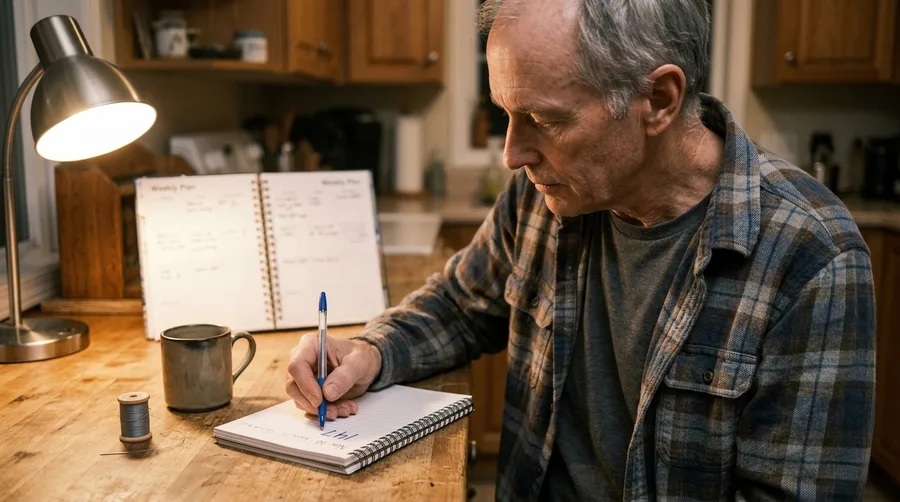
I sat at my kitchen table with a twenty-dollar bill and a knot in my stomach, convinced I was too broke to start anything.
Even $25 a month, moved automatically, does more than $0 a month you keep meaning to invest.
You do not need a thousand-dollar startup loan to test a craft. Buy one spool of thread, one bag of clay, or a basic set of brushes. Test the demand locally before spending another dime.
4. Automating Your Project Fund Transfers

Willpower is a terrible budgeting strategy.
Most people assume that saving money for a new venture or hobby requires constant, agonizing daily choices to deny yourself other things. That belief makes the whole process exhausting before you even begin, turning every trip to the grocery store or online purchase into a moral test you are bound to fail eventually.
Set an automatic weekly transfer of $20 from your primary checking account into your dedicated project savings account.
When the transfer happens every Monday morning without your permission, you learn to live on the remaining balance without feeling deprived. This is a timing fix, not a discipline fix, removing human hesitation from the equation entirely so the money moves before you have a chance to second-guess it or spend it on takeout.
Log into your bank app today and schedule that weekly recurring deposit. Then leave the account alone and let the background momentum do the heavy lifting.
⚠️ COMMON MISTAKE
Avoid Mixing Personal and Business Funds
Never buy business inventory out of the grocery money envelope. Keeping accounts separate prevents tax season panic and keeps your household budget accurate.
5. Building a Three Bucket Cash Flow System
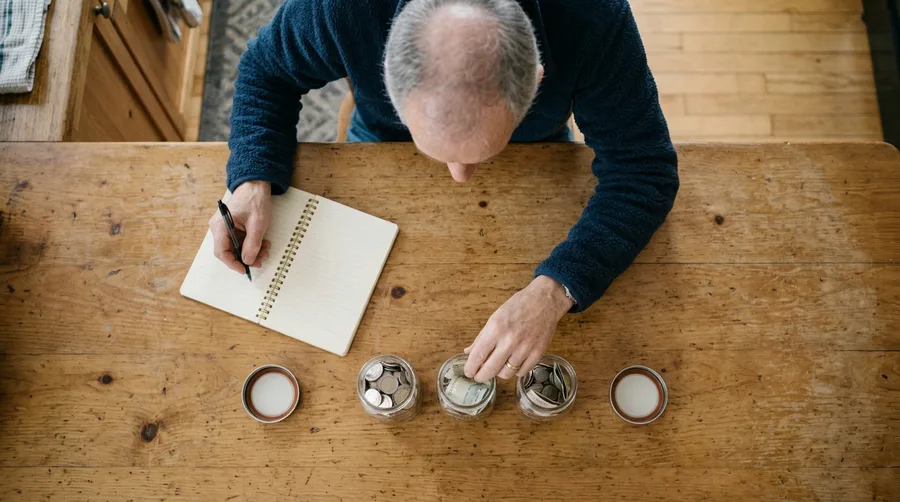
Divide your incoming cash into three separate buckets before you spend a single dollar.
When money from a side project or a standard paycheck hits your account all at once, it easily feels like free spending room. It rarely is, and that confusion is usually where the month starts to slip away.
Here is the exact structure we use to keep the household lights on without accidentally starving a new creative hobby. Bucket one handles your absolute fixed bills like rent, power, and utilities. Bucket two covers every scheduled debt minimum without fail. Bucket three holds whatever flexible spending is left over for groceries or weekly living costs. The mechanism is simple cash flow partitioning, which removes willpower entirely from the equation.
Move your fixed bill money on payday morning so your rent is never accidentally spent on weekend hobby supplies.
If a lean month hits and you genuinely fall short, fund buckets one and two fully, and let bucket three absorb the difference. I learned this the hard way years ago when I bought an expensive clay batch and nearly missed my water bill. That mistake taught me that hobbies must bend around survival, never the other way around.
This simple system protects your basic survival needs while giving your side project the structural room it needs to breathe and grow organically over time without constant financial panic.
Open your banking app today and map out those three distinct transfers.
Financial Risk Spectrum
Evaluating spending choices from safe to severe exposure
- Automated $25 savings transfer: Low risk, highly manageable for any tight budget.
- Buying bulk inventory upfront: Moderate risk; ties up cash before sales are proven.
- Taking high-interest loans for equipment: Severe risk; high APRs can quickly drown a new hobby.
6. Scaling Back When Life Gets Heavy

You are staring at a half-finished batch of projects while your parent is in the hospital, and the guilt of stopping feels heavier than the clay itself.
Drop the target from ten pieces down to a single mug a week, because staying in the game at five percent capacity beats walking away entirely.
When life demands your full energy, scale the side business back to exactly $25 a month in supplies and protect your peace of mind first.
7. Weighing the Real Trade Offs of Selling

Turning a quiet weekend hobby into a commercial side business sounds romantic on Pinterest.
The reality involves spending your Saturdays packaging clay pots and standing at drafty craft fairs instead of resting.
you are directly exchanging your remaining leisure hours for an extra $200 or $300 a month.
The mechanism here is simple cash flow math against your personal energy reserves.
If you spend ten hours a week working on orders for a net profit of $150, you are essentially paying yourself $15 an hour to take on second-shift labor.
For a long time, I spent my Sundays answering customer emails instead of walking in the woods, and my shoulders carried that tension for months.
Make sure the actual financial return justifies the lost downtime, or keep your hobby strictly as a personal pastime for your own mental health.
If the quiet joy of creating disappears the moment money gets involved, scale your operation right back down to zero and protect your peace.
This week: calculate how many hours you actually spend on your craft versus the cash it brings home, and decide if the math is worth your rest.
Emergency Preparedness Reality
Federal Reserve SHED data insights on household cash reserves
8. Reviewing Your Numbers Each Month

How often do you actually look at your business receipts without feeling a knot in your stomach?
Most of us wait until tax season or until a cash flow crunch forces our hand, which turns a simple review into an emergency.
Set a calendar reminder for the final Sunday of every month to review three specific numbers: total revenue, material expenses, and net profit.
If material costs creep above 40% of sales, adjust your pricing immediately before your margins vanish.
I spent my first year guessing at my profit margins, and finding out I was working for less than minimum wage after clay and glaze costs was a humbling wake-up call.
9. Taking Advantage of Early Momentum

Lock down that first wave of cash the moment your initial three items sell out within forty-eight hours instead of treating it like fun money.
That rapid sell-out window creates crucial momentum, and blowing those early earnings on custom logo stamps will drain your reserves before the shop stabilizes. Reinvest one hundred percent of that very first profit directly back into raw materials to fund your next batch without dipping into household grocery money.
Order your next round of supplies today.
10. My Accidental Path to Pottery Sales

I spent $400 on a second-hand wheel in my garage because retirement felt too quiet after forty years in education.
The silence of an empty house is heavier than people tell you, and I needed something tangible to fill the hours between morning coffee and the evening news.
I gave away twenty ugly bowls before making one that did not wobble.
The mechanism here is purely about the friction of learning a new craft where your early output is simply bad, and you have to tolerate the waste of clay and glaze while your hands figure out the muscle memory.
That first sale of $45 felt better than my first paycheck out of college because I made it with my own hands.
Keep experimenting until something clicks.
Top Revenue Levers for Craft Businesses
11. Setting Strict Material Budgets

$30 a week became my absolute ceiling for clay and glaze when I realized how fast supply costs drain a starting account.
Without a hard cap, hobbies turn into silent expenses that quietly eat your grocery money before you even realize what happened. The mechanical fix is unglamorous: cap your weekly hobby spending at $30 until your sales fully cover your production costs, and track every single receipt in a simple paper notebook you keep right beside your workspace.
It feels restrictive at first, but it forces you to actually use every scrap of material you buy instead of hoarding it.
12. Fixing Common Pricing Mistakes

You can price your handmade pieces by just multiplying the material cost by two and hoping for the best.
That is the exact trap most beginners fall into, and it is why so many creative side projects quietly bleed money until the maker burns out from sheer exhaustion.
If you spend three hours throwing a ceramic mug on the wheel, trim it, glaze it, and fire it twice, a $15 price tag means you are essentially paying customers to take your work home once you factor in clay, electricity, and studio overhead.
You have to calculate your actual hourly labor time, the cost of packaging materials like bubble wrap and sturdy boxes, and marketplace listing fees that always nibble away at the final payout.
This week, take one item you currently make, list every single hidden expense down to the last ounce of glaze, set a baseline wage of at least $15 an hour for your time, and recalculate what the price actually needs to be to keep your studio running sustainably.
13. Leveraging Compound Time Before Retirement

It is completely normal to look at the calendar and wonder if it is simply too late to build any meaningful momentum for your later years.
You might feel like the window for compounding has already closed entirely.
That belief keeps a lot of people from starting at all.
The math tells a different story entirely, even if you are beginning later in life.
If you put $200 a month from your side business into a tax-advantaged account and it earned an average of 7% a year-which no one can promise, as market returns fluctuate-you would build a meaningful cushion over ten years.
A tax-advantaged account is simply a special category of savings or investment vehicle designed by the government to give you tax breaks on the money you set aside for your future.
The exact figure is less important than the financial habit you build.
Starting at 64 gives you a decade or more of compounding before you stop working your primary job.
Compounding is the mechanism where your money earns returns, and then those returns start earning their own returns over time, snowballing quietly in the background.
Time will pass anyway, so let your small contributions work for you starting this month.
Open that account this week and set the recurring transfer so you do not have to think about it twice.
14. Structuring Your Weekly Craft Schedule
It is dangerously easy to let a creative project slide when the rest of life gets loud and demanding.
You feel like you are working all the time, yet somehow the inventory never grows and the orders stall out completely.
The fix is not working harder or burning the midnight oil until you drop from sheer exhaustion.
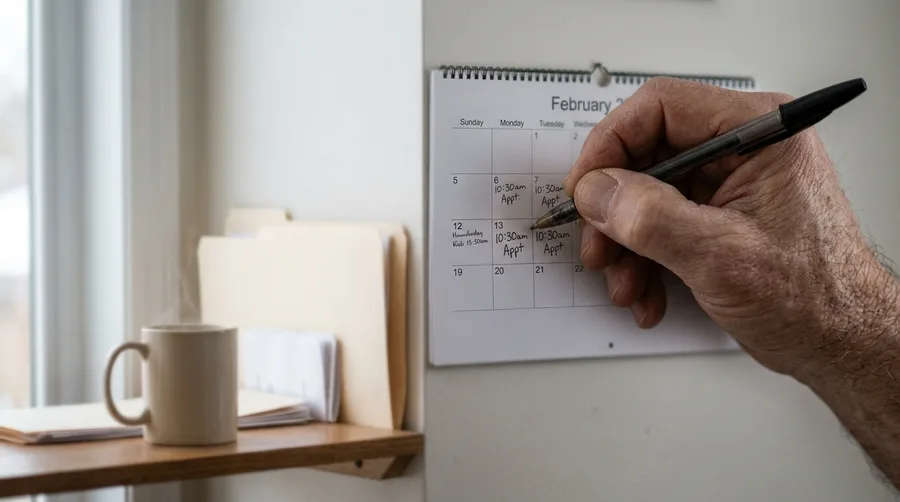
Set aside four dedicated hours every Tuesday and Thursday morning exclusively for production.
Treat this time with the exact same unyielding respect you would give a traditional paying job.
Structure creates consistency, and consistency is what quietly turns a casual hobby into a thriving seventy thousand dollar business over time.
Block your calendar tonight and protect those eight hours this week.
15. Reflecting on My First Big Profit Check

Can you actually build something meaningful when you start in your sixties?
When my annual pottery sales crossed $70,000 last year, I finally bought a brand new kiln with cash instead of financing it on a high interest card. That single payment mechanism saved me nearly $1,200 in interest charges and proved that starting small at 64 was the best financial decision I ever made.
If you are standing at the beginning of a late venture right now, take a deep breath and open a separate notebook tonight to map your own first inventory cost.
Frequently Asked Questions
Is it too late to start a side business at 60 or older?
Not at all. Starting later in life gives you steady life experience, clearer focus, and often more disposable time than younger entrepreneurs have. You can start small with minimal investment and scale at your own pace.
How much money do I need to start selling crafts?
You can start with as little as $25 to $50 for basic starter materials. Never take out a loan for a new hobby until your sales have consistently covered your material costs for at least three straight months.
Should I keep my personal money separate from business revenue?
Yes, absolutely. Opening a separate checking account for your project ensures that personal grocery money never mixes with inventory expenses, making tax season significantly simpler.
How do I price my handmade items correctly?
Calculate the cost of raw materials, packaging, platform fees, and your hourly labor time. Never price your work based solely on material costs, or you will underpay yourself for your time.
What if my hobby does not make money right away?
That is completely normal. Treat early mistakes as paid tuition and keep your startup costs low so a slow month never threatens your household budget or your peace of mind.
Your Next Step This Week
You do not need to launch a full-scale enterprise by Friday afternoon to change your financial trajectory.
Pick one small move from this list, open a separate savings account today, and let your hobby fund its own future one small step at a time.