

A $5.50 latte, five days a week, runs about $1,430 a year. Not a scandal. Just a number almost nobody totals up, because the register never hands you the annual figure.
You know the arithmetic at the counter. The five-fifty gets counted twice before you order. A dinner split four ways lands somewhere between $60 and $120 and you do the division in your head while everyone else orders without looking. It starts to feel like every small purchase is being audited, and only yours.
the habit that removes the pleasure is not the careful one. The same latte made at home is 50 to 75 cents in beans and milk. Every habit on this list is priced against the thing it replaces, and the good part – the coffee, the dinner, the museum, the car – stays put.
Thirteen habits, each with what it costs to start, what it replaces, and the point where the sacrifice quietly stops feeling like sacrifice. Pick the one that matches where your money actually leaks. The daily coffee drinker knows their number already; so does the person staring down a car purchase or an autopay statement full of things they forgot.
Quick Tips Before You Start
Write the number down
Any habit here works better once the current cost is on paper in front of you.
Change one thing per month
One swap held for twelve months beats four swaps abandoned by March.
Set it for payday
Automatic transfers scheduled the morning your paycheck lands survive the month.
Name your exceptions first
Decide now what counts as urgent, so you never renegotiate at the checkout.
Check statements, not memory
The charges you forgot about are the ones worth finding first.
1. A 48-Hour Wait on Purchases Over $100
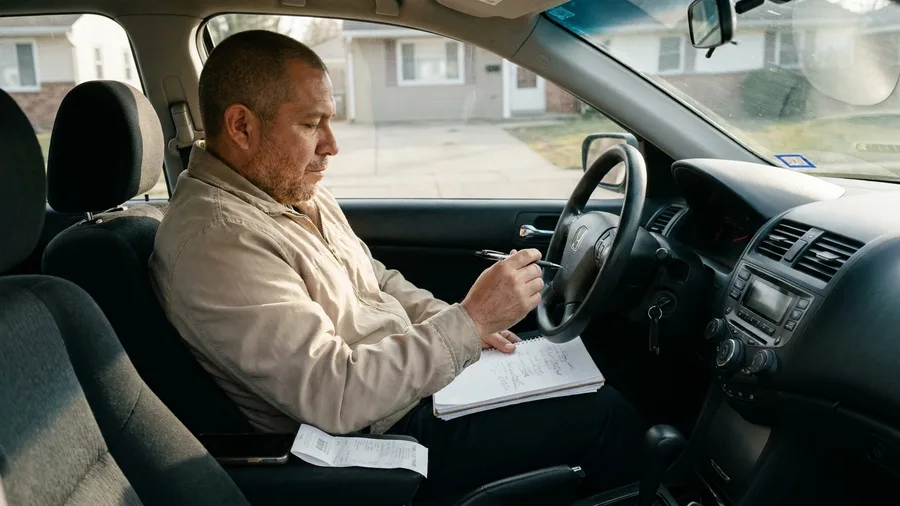
The sales page has a countdown timer on it, which means the discount dies at midnight, which means you have to decide now. That urgency is the thing being sold, not the product. Almost nothing you buy on a Saturday afternoon needs to be owned by Monday morning.
So here is the rule that changes the arithmetic: anything over $100 that isn't urgent gets written down with today's date and the price, and then it waits two days. Write it on paper stuck to the fridge, or set a phone reminder for the same time on Thursday. What you don't do is leave it sitting in a cart where a saved card is one tap from the checkout.
When the two days are up and you still want it, buy it. No guilt, no second-guessing, no renegotiating the price with yourself. The waiting was the whole test, and a rule that forbids the purchase outright is the kind of rule people quietly quit by the third week. For more on decisions that feel smart but quietly keep people stuck, see habits that keep people broke.
Name the exceptions now, before you need them: a burst pipe, a car seat, a refrigerator that stops cooling. Write those down too, so a genuine emergency doesn't become the loophole that dissolves the habit. Everything else waits.
That is the mechanism, and it costs nothing to start. What it replaces is the $100-plus thing that felt like a crisis at 2pm Saturday and that you couldn't remember by Thursday. By the time you decide, the money leaves on purpose.
💡 Tip: Screenshot the item and set a phone reminder for 48 hours out. The reminder is the accountability. The screenshot is the list.
| Habit | Upfront cost | Ongoing cost | What it replaces |
|---|---|---|---|
| Home coffee setup | $60–$150 | 50–75¢ a cup | A $5.50 café latte, ~$1,430 a year |
| Three-year-old car | $120–$180 inspection | $500–$1,000 first-year buffer | The new-car depreciation hit |
| Prepaid phone plan | $200–$450 phone | $15–$30 a month | A $60–$90 monthly bill |
| Slow cooker | $25–$40 | Batch ingredients | A $25–$40 takeout dinner for two |
| Repair-first rule | $60–$90 budget | Resole $30–$60, hem $15–$25 | Replacing shoes and coats |
| Potluck hosting | $15–$25 dish | Rotating hosts | A $60–$120 dinner for four |
| Library card | $0 | $0 | Paid weekend entertainment |
| Home fitness | $10–$30 used dumbbells | $0 | A $10–$40 gym membership |
| Starter emergency fund | $25–$50 per paycheck | Nothing | A surprise that becomes card debt |
2. A Proper Home Coffee Setup

Start with the setup that matches how often you actually drink it, because a pause protects one purchase but the real leak repeats five mornings a week and never gets a 48-hour hearing. Daily drinker: a $60-$150 grinder and brewer and a three-minute grind-heat-pour routine replaces a $5.50 latte five days a week, which is about $1,430 a year against 50-75 cents of beans and milk per cup. That setup pays for itself in roughly six weeks.
If you are a once-a-week café visitor, scale it back without quitting: one decent brewer and cheap beans gives you the good-enough cup without a $60-$150 setup against 52 cups that never clears. The full spending only makes sense at daily-drinker frequency.
Either way the ritual survives and the receipt doesn't. The first weekday morning the good cup is already in hand at 7am and no $5.50 left the account, the habit stops feeling like deprivation.
Is Your Starter Fund Actually Working?
3. A Three-Year-Old Car With a Pre-Purchase Inspection
Forty-five to fifty-five percent. That is what a three-year-old sedan tends to sell for against its new price, which means a $30,000 car becomes a $13,500 to $16,500 car once someone else has absorbed the steepest part of the depreciation curve.
A coffee habit is a few dollars a day; a car is five figures spent once every few years, and that gap is exactly why the cheap check matters more here than anywhere else on this list.
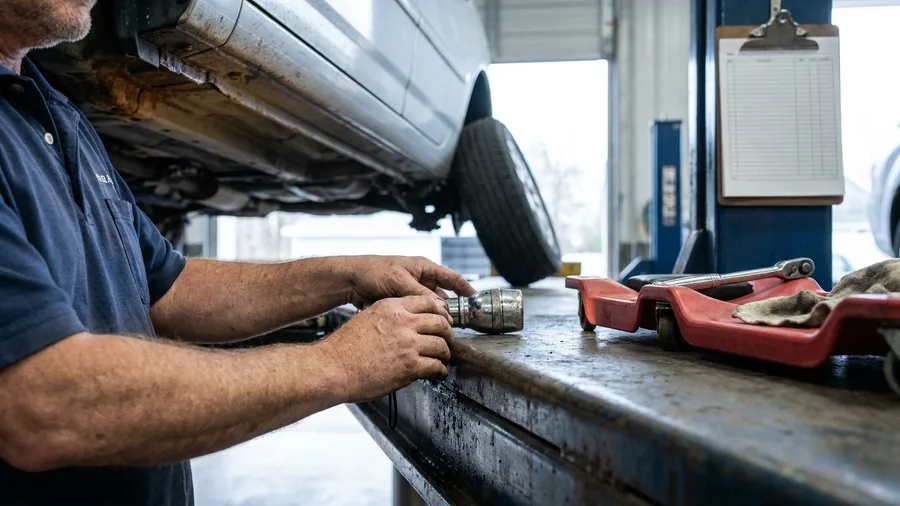
The check is the pre-purchase inspection, and it runs $120 to $180. You pay a mechanic to put the car on a lift before any money changes hands. From underneath, a lift shows the seep at the rear main seal and the tire wear that isn't even, and neither of those shows up on a ten-minute test drive with the seller talking over the engine.
I paid for one on a sedan I was ready to buy. The mechanic found a leaking rear seal and quoted the repair at about $900. I walked, lost the $150 inspection fee, and have never once thought of that $150 as wasted money.
That is the part people skip, because the inspection feels like spending money on a car you might not even get. It is the cheapest line in the entire transaction. A $500 to $1,000 repair buffer set aside for year one covers the wear items a used car always arrives with: tires, brakes, a battery.
This suits a low-mileage commuter who wants reliable transport and doesn't need the newest lane-assist system. It doesn't suit someone who genuinely wants the latest safety tech, because that tech is exactly what the first owner's depreciation paid for and exactly what the used price leaves out.
Cost to start is $120 to $180 plus the buffer. What it replaces is the depreciation hit and the inherited problem, and only one of those two is visible in the driveway.
💡 Tip: Ask the seller to meet you at the mechanic, not the other way around. A seller who resists an inspection has told you something useful.
Where These Habits Usually Fall Apart
4. A Sunday Fridge Inventory and Meal Plan

I used to open the fridge on Sunday night, pull a plastic container from the back, and find something that had been a salad five days earlier. Twenty minutes of intention on Sunday morning fixes that. Door first, then the freezer, then the pantry shelves: what is here, which item goes bad first, and what got bought twice because nobody remembered the first one. The old belief was that the fridge was empty and dinner had to be ordered. The fridge was never empty. It just held nothing anyone had decided to cook.
From that pile, three dinners get built out of what is already in the house before a single new item goes in the cart. The store-brand swap that saves $2 on a bag of oats holds up at the shelf when it is written down on a list; it falls apart in the aisle when it is riding on memory and the name brand is right at eye level.
This is not for everyone. If the daily market run is the part of the week somebody actually loves, and the cooking happens off whatever looks good that day, a Sunday plan will feel like a cage. Same if the fridge is genuinely bare and the plan starts with a grocery order.
For a busy household with a full refrigerator and no answer at 6pm, the change is the cheapest item on the list. What it replaces is not just the food thrown out at the end of the week. It is the delivery order placed on autopilot because nobody had decided anything.
The moment it feels like money rather than a chore is 6pm on a Tuesday, three dinners already decided, one out of the fridge, and no app open on the counter. The cost to start is twenty minutes and a pen.
5. A Slow Cooker That Replaces Takeout Night
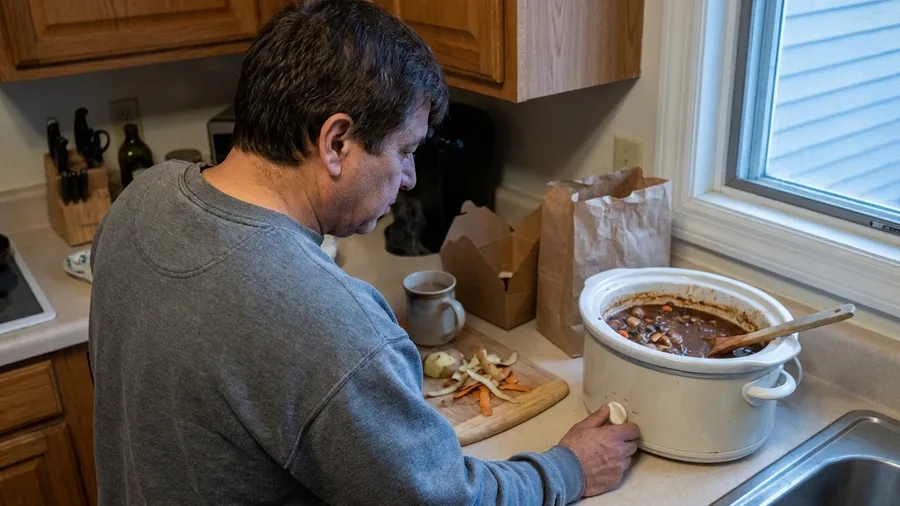
The night arrives around 6pm: nobody wants to cook, everyone's hungry, and the phone makes it a forty-dollar decision in ninety seconds. A plan on paper doesn't save you there – that night needs a switch, not another decision.
Even the smallest setup counts. A $25 slow cooker, a $3 bag of dried beans, whatever vegetables need rescuing from the crisper. One Sunday session – chop, load, leave – becomes two weeknight reheat meals. Step up to a pressure cooker at $80-$120 if you want the same job in a fraction of the time. One $25-$40 takeout dinner for two is the whole startup cost, and it replaces a first order in the same week.
One honest catch: if leftovers make you shudder, the second portion is a punishment, not a saving. Skip it, or freeze half instead. If all you can do right now is buy the cheapest slow cooker and cook one pot a week, that's enough to start.
6. A Library Card and the Museum Free-Day Calendar

The first answer is the library down the street, and it costs nothing to join. Beyond books, most systems lend audiobooks and a rotating drawer of museum passes you check out like anything else with a due date.
The second handle is each museum's own calendar. Free days and free hours are posted there by the museum itself, so a check once a month on the specific building you want beats any third-party roundup that quietly stops being updated last spring. Write the next three free days on the same calendar you use for everything else.
Line up that week against a $8 to $20 streaming subscription per month, and the math is blunt. Both are a weekend budget. One leaves you sitting on a couch with nothing to talk about on Monday, and the other leaves you with somewhere you went.
It fits families and book clubs, where a membership is nothing and the per-person cost falls to zero. It does not fit someone who wants opening-night tickets and the crowd that comes with them, because no free day hands those out.
The moment it pays off is walking out of a gallery on a free Sunday having spent $0 and still having somewhere to be next weekend. The card is the weekend that would have cost $80, minus the receipt.
The Words That Decide These Purchases
7. A Repair-First Rule for Clothes and Shoes

A museum pass costs nothing to borrow. The coat you wear through the door is another matter. Hem a $15-25 fix or retire the whole thing because the sleeve is frayed, and the real decision is made once the material has taken years of wear. The move is a repair-first rule: if the fix costs less than half the replacement, you fix it.
The hard numbers sit on a cobbler's counter. Resoling a leather boot is $30-60. Tailoring a hem runs $15-25. Put a $200 boot against the $50 to bring the sole back and the boot wins; put a $20 shoe against a $40 repair and the shoe loses, because you would spend double the worth of the thing just to save it. The rule is not about saving everything. It is about knowing which items have enough material left to be worth the work. Leather and a good wool coat have that. A fast-fashion sneaker that cost $20 three seasons ago does not, and no cobbler changes that.
Before the season starts, put $60-90 aside. That covers one resole and two hems, which is most of what a normal year asks for. Sit that money in a labeled envelope or a savings account you do not see in the checking app; the mechanism is that you do not have to think about it the day the heel comes loose, and the repair happens on the spot, not after two weeks of saying you'll do it later.
good leather, real wool, a seam that can be re-sewn. For worn-out fast fashion there is nothing left to save, and that is not a failing of yours, it is a failing of what the item was made from.
It is still worth doing, because a repaired leather shoe reads more expensive than a new cheap one, and the money you don't send to a shoe store this month is a small budget that never got spent.
Feels rich at the moment the coat comes back from the tailor, and it costs less to own than the replacement would have. "I fixed it" is a phrase that quietly stops the need to replace.
Repair or Replace? The Half-Price Line
Repair it
- Resole $30-60 on a boot worth $120+: inside the line
- Hem $15-25 on trousers worth $60+: repair wins
- Fix is under half the replacement and the material is leather or wool
- Stitch a seam on a garment with years of wear left in the fabric
Replace it
- Fix is over half the replacement, like a $40 repair on a $20 shoe
- The upper or lining is gone, not just the sole
- The fix would cost more than the item is worth, so the math never closes
- A repair shop quotes more than a third of what you paid and the item is thin
8. A Prepaid Phone Plan With a Phone You Own
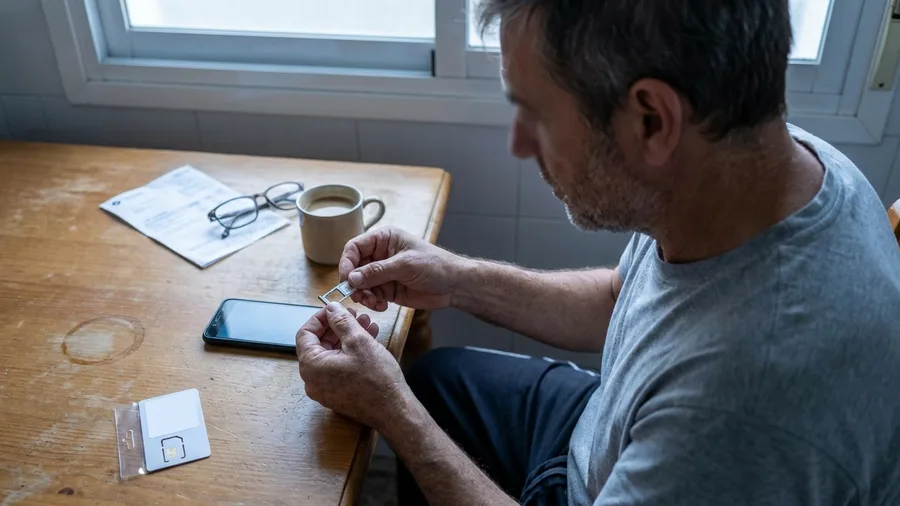
The fear here is real, so name it first: nobody wants to switch carriers and discover the signal dies in the kitchen, the office elevator, or the train tunnel on the way home. That fear keeps people on a $60-90 monthly bill they have already stopped thinking about. The coverage question is testable, and the bill question is bigger than it looks.
Prepaid service runs $15-30 a month; a postpaid contract runs $60-90. The gap, at those ends, is $360-900 a year, and it does not buy you better coverage, it buys you a phone spread across the bill. That is the common mistake: people fold the phone into the plan to make it feel free, then keep paying for it long after the device has worn out. Buy the phone outright at $200-450 and keep it four years, and the hardware becomes a one-time cost instead of a permanent line item.
Check the signal before you commit. Buy a cheap prepaid SIM for a week and use it at home, at work, and on the commute. If the bars hold in the three places you actually live, the switch is safe. If they don't, you have spent a few days answering one question rather than wondering for years.
This suits people who keep a phone until it dies. It does not suit anyone who upgrades every year, because the yearly upgrade eats the whole prepaid saving and then some. That is not a criticism, it just means the math points elsewhere for that reader.
Feels rich when the bill lands at a flat $25 after a contract would have ended, and you have not spent an evening haggling with a call center.
💡 Tip: Test the coverage on a normal week, not a holiday. The network you're testing is the one you'll actually live on.
9. A $1,000 Starter Emergency Fund
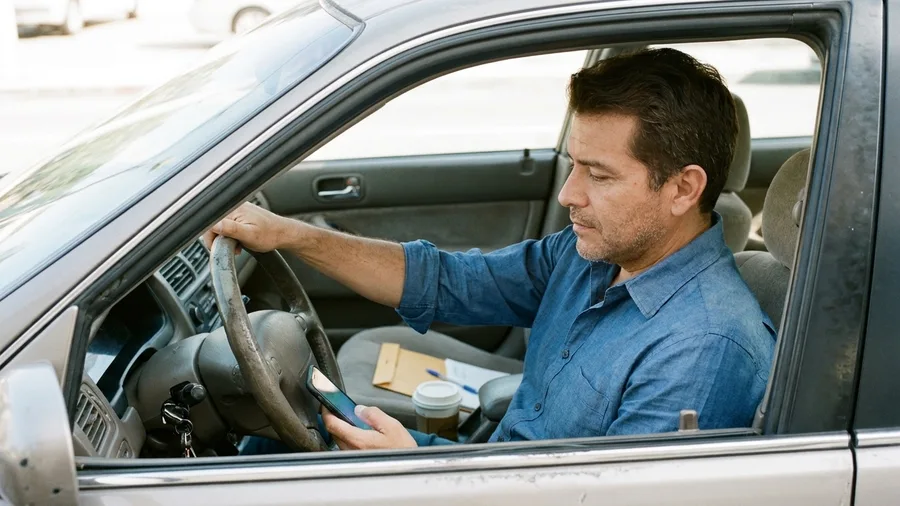
Open a separate savings account today, set an automatic transfer of $25-50 for the day your paycheck lands, and stop when the balance hits $1,000. Keep the account out of the checking app on your phone. Out of sight is the mechanism: the money isn't missing, it just isn't one tap away from a Friday night.
That thousand is for three things. It's for the morning the car won't start and the exhaust shop wants $600 before it hands the keys back; for the vet visit that turns into $400 before you've had coffee; for the two-week gap when hours get cut and rent is still due. Without the fund, each of those becomes a card balance that grows at whatever rate the statement prints.
One condition. If you're still carrying a high-interest credit card, look at the APR on the statement first. When the rate outruns what any savings account pays, the card is where the next dollar goes. The fund waits until the balance clears. If the standard advice on how much to keep stashed has never quite fit, read why emergency fund strategy goes wrong.
💡 PRO TIP
Move the transfer to payday morning
End-of-month saving means you save whatever survived the month, and what survives is usually nothing. Payday saving decides the number before the month gets a vote. Same amount, completely different success rate.
10. Hosting Potlucks Instead of Restaurant Dinners

You move the dinner to someone's kitchen and let everyone carry a piece of it. A host makes one main dish that costs $15 to $25, and four people who would have spent $60 to $120 at a restaurant eat the same evening for a fraction of that. A cushion in savings keeps a bad week from becoming a credit card, but the budget line that survives every spreadsheet is a friend's birthday dinner, and this is the move that finally forces it down.
The part that makes it hold up over a year is a rotating host and a shared dish list, so no single kitchen eats the cost twice in a row. The potluck that falls apart is the one where everyone over-caters, the host cooks for a week, and by round three nobody volunteers. One rule fixes that: one dish per person, no exceptions. If you dread cooking, bring the drinks or the ice, and still take your turn hosting.
Feels rich with eight people around a table at home for less than four of them used to cost at a restaurant. Cost to start is the $15 to $25 dish in the oven.
11. A Written Grocery List and One Store-Brand Swap
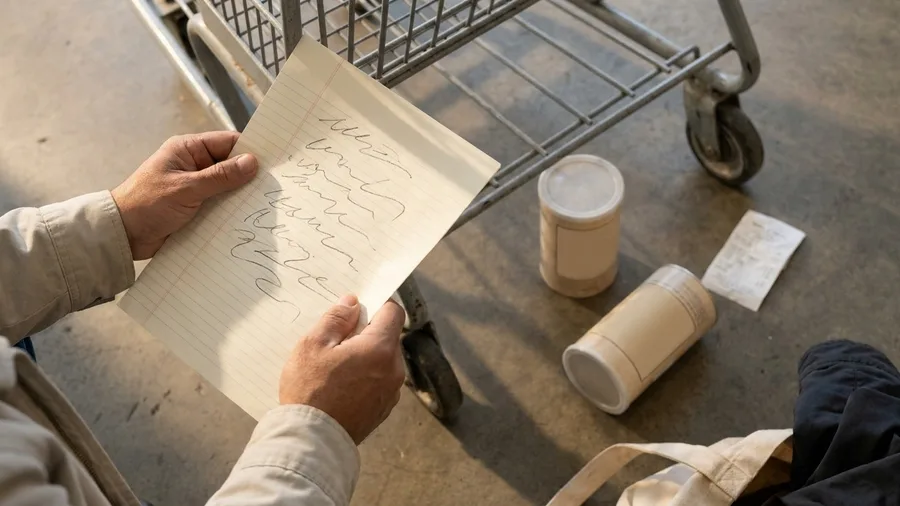
Cutting the grocery bill does not have to mean clipping coupons or eating worse. It means walking in with a list instead of a mood. The bill behind a dinner for eight is decided at the shelf, one cart at a time, and the cart is decided before you leave the house.
The setup is one page. Take the three dinners already planned for the week and write down every item they need, then add only what's genuinely missing from the fridge and pantry. That list is what stops the aisle wandering that quietly adds $40 of nothing in particular to a trip.
Then you test one store-brand swap per trip, never a wholesale conversion. The test case is something you eat constantly: 42 ounces of store-brand oats for about $2.50 against $4.50 for the name brand, the same breakfast in the same bowl, a couple of dollars back every time. Shop after a meal so you're not buying hungry, and leave the list alone once it's written.
What to leave alone matters as much as what to set up. If you genuinely love one specific brand, keep it and swap something else; forcing a conversion you resent is how the whole habit gets dropped by week three.
The reason this one holds is that the saving repeats every week with no further effort once the list exists. Cost to start is the piece of paper, and what it replaces is the unplanned cart.
The $1,000 Fund, Line by Line
💵 Target
$1,000
🔁 Transfer
$25–$50 per paycheck
📅 Timing
Payday morning
🏦 Where
Separate savings account
⏱️ Time to fill
Roughly 10–20 paychecks
What it covers
A car repair, an urgent vet visit, or a short unpaid week — the three events that otherwise become a card balance.
12. A Free Fitness Routine in the Park
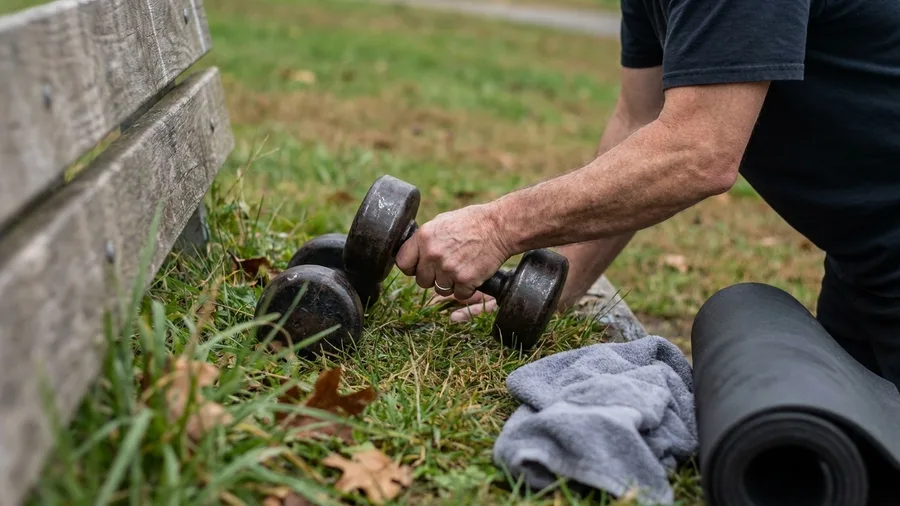
There's a particular guilt in paying $10 to $40 a month for a gym you visit twice, then skipping it again because you're not getting your money's worth. The fee renews on autopay whether or not the door gets walked through. That's the leak a park workout plugs.
A three-day-a-week routine in daylight costs $0, and $10 to $30 for used dumbbells covers the load work at home. This suits walkers and bodyweight beginners. If you lift heavy, the gym is equipment and not a habit – keep it.
One honest line: new training, an old injury, or a health condition is where you talk to a doctor or a coach before you push, not after. Otherwise, name the indoor backup before the first rainy week, and finish the workout with no commute and no charge.
13. A Once-a-Year Subscription Audit

I sat down last January with a coffee and a browser tab open to my bank's statement history, and it took about ten minutes longer than I expected to find a streaming service I had not opened since a series finale in the spring. The gym membership I had already beaten myself up over stared back at me every month from the checking screen. The one I had actually forgotten renewed the same week in July without a single notification I ever noticed.
That is the gap a budget walk-through will not close. The statement shows the big recurring fees you look at, but the small renewals that fire once a year or land on a card you rarely check slip through entirely. Pulling every recurring charge from the last twelve months solves it, because a document beats a memory every time, and the yearly ones are the ones nobody can recall.
The system I use fits on one page. Go into the last twelve months of statements for every card and account, list each charge that repeats, and write next to it the amount, the renewal date, and one honest sentence about the last time you actually used it. That is the whole structure: a column to find the leak, a column to date it, and a column to decide what stays.
As I worked down my own list, I found the monthly ones easy to spot and the annual ones almost invisible, because the annual charge hides inside one statement of twelve. Next to each line I wrote when I last touched it, and that column did the deciding for me. Anything I could not remember using in three months went straight to the cancel pile.
The target is two to four cancellations on a first pass, which is enough to notice at the end of the year. That is where the dollars live: a streaming subscription most people carry runs a small monthly charge, and a gym a larger one, and the canceled few compound into a real number by December. Clear them out by hand, one at a time, so the cancellations stay done.
Cutting is only half of it. The move is to redirect rather than to simply strip everything away: the one you actually switch on each week stays, the one kept in case someone eventually wants it goes. Decide by what you genuinely used this year, not by what you might use someday, and keep the account you watch.
This suits anyone with autopay, which is nearly everyone with a card on file. It does not suit the annual bills you already negotiated and already shop around for, where the price is the good one and the work is done. Leave those alone and spend the hour where it still pays you.
Feels rich because an hour of your time removes only the charges that were not being used, and nothing in your week gets smaller. The upfront cost is that hour and a cup of coffee, and what it replaces is the quiet monthly drain that never announced itself. One hour, once a year, and the statement stops hiding things.
💡 Tip: Sort the statement by merchant name, not date. Twelve months of one charge is invisible in a date-sorted list and obvious in a merchant-sorted one.
Frequently Asked Questions
Is it worth brewing coffee at home if I only drink it a few times a week?
Probably not. The $60–$150 setup clears itself in about six weeks for a daily drinker spending $5.50 a cup. At once a week, 52 cups never pay back the gear. If you drink it daily, the setup is the single easiest win on this list.
Should I build the $1,000 fund before paying off my credit card?
Look at the two rates side by side. If the card's APR is well above what the savings account pays, clear the card first and keep a smaller cushion of a few hundred dollars in the meantime. If the rates are close, build the fund — the point of it is to stop new debt forming.
How do I stop impulse purchases without tracking every dollar I spend?
You don't need a full budget to use the 48-hour rule. Anything non-urgent over $100 goes on a written list with the date and price, and you buy it at hour 49 if you still want it. That single rule catches most of the damage without a spreadsheet.
Will a prepaid phone plan actually save me money if I upgrade my phone every year?
No. The $15–$30 monthly saving gets spent on hardware. The plan only pays off when you buy the phone outright at $200–$450 and keep it around four years. If you upgrade annually, stay where you are and fix a different leak.
How much should I keep for car repairs on a used car?
$500–$1,000 in the first year covers the usual arrival items — tires, brakes, a battery. Get the $120–$180 inspection before you buy and you'll know which of those are already due, instead of finding out in month two.
What if I can only do one of these thirteen things right now?
Pick the one that matches your biggest leak and ignore the rest for a quarter. The habits compound passively once they're set up, so two done properly for a year beat all thirteen attempted in January.
Start Where Your Money Actually Leaks
Every habit here was priced against what it replaces and came out ahead, and not one of them took away the good part. The coffee, the dinner, the museum, the car – all still there. Only the invoice changed. That is the verdict, and it holds whether you run one of these or all thirteen.
Start where your leak is loudest. The daily coffee drinker begins with the $60 to $150 grinder and brewer, which clears itself in about six weeks at five-fifty a cup. The car shopper spends the $120 to $180 on the inspection before money changes hands. The autopay user pulls twelve months of statements and makes the list.
And the latte that got counted twice at the counter is now 50 to 75 cents and three minutes at home. The friends ordering freely were never the benchmark. The replaced cost was. Write one habit on a note with its price and the date you start – that note is the whole argument in one object, and the money leaves on purpose.
Find your one habit and set it up today
Open your last statement, find the biggest repeat charge, and match it to the habit above that replaces it. One setup, this week, and the rest of the list can wait.