
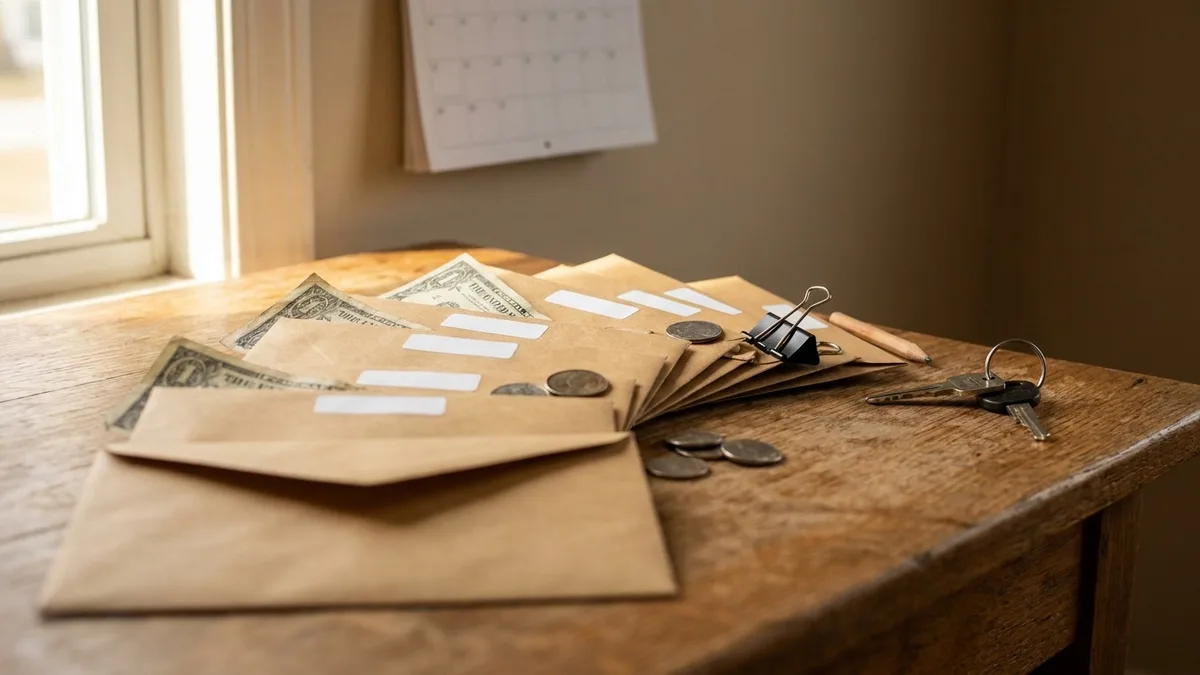
A $19,000 timeshare with a $1,150 annual maintenance fee can cost $23,000 over ten years and still resell for nothing. That is the worst version of this mistake.
Most people arrive at retirement with a wish list on the fridge and one number in mind: the purchase price. The boat, the second home, the club membership, the chunk of help for the kids. The sticker is the small number in the worst cases. What follows the buyer is the yearly bill that does not stop, and what gets locked in is decided by resale or exit value.
So rank every buy on your list three ways: what it costs to keep each year after you own it, what it gives back when you sell or resign, and whether your calendar holds enough days to justify it.
Put the annual cost to keep over the days you would actually use, then price renting those same days. That one division separates the three to rent before buying from the one that is fine to buy outright.
Quick Tips Before You Start
Count the days first
Before any big buy, write down how many days last year you actually did the thing. Not planned. Did.
Add up the keep costs
Slip fees, insurance, taxes, HOA, maintenance. If it charges you every year whether you use it or not, that is the number that matters.
Check resale value now
Look up what your intended purchase sells for used after three years. That gap is part of the cost.
Rent it for a season
Rent the boat, the RV, or the condo for the exact weeks you plan to use it. The rental quote is your benchmark.
Paper the family loan
If you lend to an adult child, write the schedule or call it a gift. The half-version is what causes the sting.
Toys and the contracts that come with them
These are the purchases that arrive with a recurring bill attached — a slip, a storage yard, a maintenance fee, an insurance premium. The toy itself is a one-time cost. The contract that keeps it alive is the one that outlasts the fun.
Every item below ranks high because the yearly cost does not pause when you stop using the thing. The boat stays in the slip. The timeshare fee comes due. The RV sits in storage. And the resale value is already lower than you think.
1. Timeshares: The Bill That Never Ends

Because the number that hurts is not the purchase, it is the bill that keeps coming.
$19,000 buys a biennial week, and then $1,150 in maintenance arrives every year whether anyone sets foot in the unit or not. It cannot be cancelled. When the trips stop, the fee does not, and resale listings for that same week run anywhere from $0 to $3,000, so the loss is locked in on day one.
Review it once a year, on the same date, and check the maintenance notice against the trips you actually took: divide $1,150 by the days you used. If you are paying a bill on a week you never use, renting the same week elsewhere is the honest comparison. Buying that same week resale for a few hundred dollars is the version that still works for someone who goes every year.
💡 Tip: Ask the seller for the last five years of maintenance fee increases in writing. If they will not provide it, walk away.
| Purchase | Typical price | Yearly cost to keep | Value after a few years | Who it still suits |
|---|---|---|---|---|
| Timeshare (biennial week) | $19,000 | $1,150 maintenance | $0–$3,000 resale | Someone who buys resale and uses it every year |
| 24-foot bowrider boat | $48,000 | $4,800 slip + $1,200 service | About $27,000 after four years | A household on the water using it 30+ days a year |
| Class C RV | $135,000 | $4,800 storage and insurance | Roughly 40% gone in 3–4 years | Full-timers who sell within a year or two of coming off the road |
| Touring motorcycle | $22,000 + $1,500 gear | $1,100 insurance | About $13,000 after three years | A weekly rider, not a two-rides-a-summer rider |
| Second-home condo | $295,000 | $11,000 taxes, HOA, upkeep | $310,000 sale but $14,000 selling costs | Within a two-hour drive and rented 12+ weeks a season |
| Kitchen remodel | $78,000 | None ongoing | About $50,000 returned at resale within two years | Someone staying five years or more |
| Luxury sedan | $68,000 | Insurance and upkeep | About $38,000 after three years | The last car you buy and keep ten years |
| Family loan | $25,000 | $6,000 repaid over four years | Unrecoverable remainder | Families who call it a gift or write a schedule |
| Country club membership | $12,000 initiation | $7,800 a year | Initiation forfeited on resignation | Someone playing three or more times a week |
| Storage unit | $220 a month | $2,640 a year | Contents worth under $3,000 after five years | Nobody after the first sorting weekend |
2. The Boat Costs Most While Parked

The fear is that a boat is a hole in the water you pour money into, and the fear is roughly right, so it is worth seeing where the money actually goes before deciding. The $48,000 sticker is not the villain. The $4,800 a year for a slip and winter storage, plus $1,200 in annual service, keeps arriving after the shine is gone.
Here is the honest trade-off. By four years in, the boat has cost about $27,000 beyond the purchase, and that is before a single gallon of fuel. Two weekends a season works out near $3,000 an outing, because a short season spreads the same keep over very few days on the water.
That is the cost. The reason it is still worth doing for some households is simple: buying used, keeping it on the water, and using it 30-plus days a year drops the per-day figure to where it beats renting for the same days.
The test settles it. Add annual keep and depreciation, divide by days actually used, and compare that with renting the same boat for those days. If the number comes back high, rent first.
The boat is worth it for the family that is on the water most weekends. For everyone else, the dock bill keeps running while the calendar stays empty.
💡 PRO TIP
The rental test settles almost every toy
Before you buy a boat, RV, or motorcycle, rent the exact model for the number of days you honestly expect to use it this year. If the rental cost is less than the annual keep plus the loss in value, rent every year and never look back.
3. The RV Loses Value Sitting Still
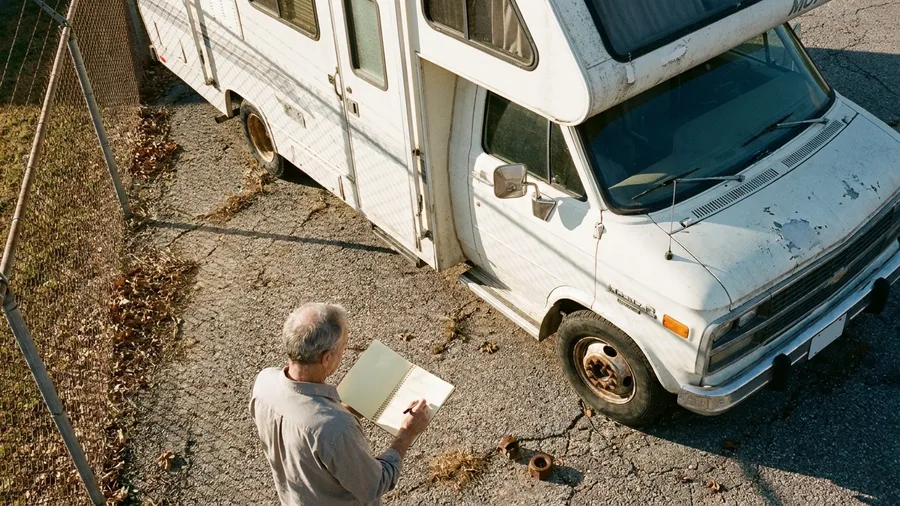
I watched a neighbor park a $135,000 Class C in his side yard, and the part that surprised me was not the fuel bill. It was how fast the value fell while the rig sat there. Roughly 40% of the price is gone in three to four years, and that drop runs hardest right at the start.
The campsite fee is the number people watch. Depreciation is the one that actually empties the account, and it keeps dropping between trips. Add $4,800 a year for storage and insurance through the off months and the cost of owning between trips gets steep fast.
So here is the move. Rent the same model for a two-week trip before you sign anything. Then take the annual keep plus the early depreciation and divide it by the nights you would really sleep in it. For most retirees that reads three or four summer weeks, not months.
The order to try before you buy
4. The Motorcycle Rides Twice a Summer

Watch the odometer, not the showroom shine. A friend of mine bought a $22,000 touring bike two summers back, added $1,500 in helmet, jacket and luggage, and put 900 miles on it the first season.
Those 900 miles cost him more than he will admit at the kitchen table.
The insurance runs $1,100 a year whether the bike moves or not, and the resale value slides while it sits. After three years a bike like his is worth roughly $13,000 – the depreciation alone eats about $9,000, before you count the gear and the premiums.
That is the same pattern the RV taught: the value falls fastest in the early years, and the annual bill keeps arriving through the months of storage.
Here is what I see over and over. People buy a bike for a retirement calendar with more free weekends on it than the calendar actually has. The picture in their head has Saturday mornings open from May to October. The real calendar has a grandchild's birthday, a flooded basement, a knee that needs looking at.
A rider who is out weekly is the person this suits. Two rides a summer is someone who should rent, not own. A rental for a weekend runs a few hundred dollars, and you hand back the keys without a storage bill or a depreciation curve trailing behind you.
The cheap way in, if you are serious, is a two-year-old low-mileage model – someone else paid the steep first drop.
Run the test the same way: insurance plus yearly depreciation plus the gear, divided by the rides you actually took. If that comes out near $3,000 a ride, the calendar is answering the question for you.
💡 Tip: Insurance on a touring bike often costs more than the maintenance. Get the quote before you buy, not after.
What the toys really cost you
Homes and cars you keep paying for
The next group hides its costs behind the purchase price. A second home is a mortgage plus taxes, HOA, and upkeep. A remodel is a check you write today for value you may not get back if you sell soon. A new car is depreciation you cannot see until you trade it in.
These are not necessarily bad buys. They are good buys for the right person with the right timeline. The trouble starts when the timeline is shorter than the purchase assumes.
5. The Second Home Bills You All Year
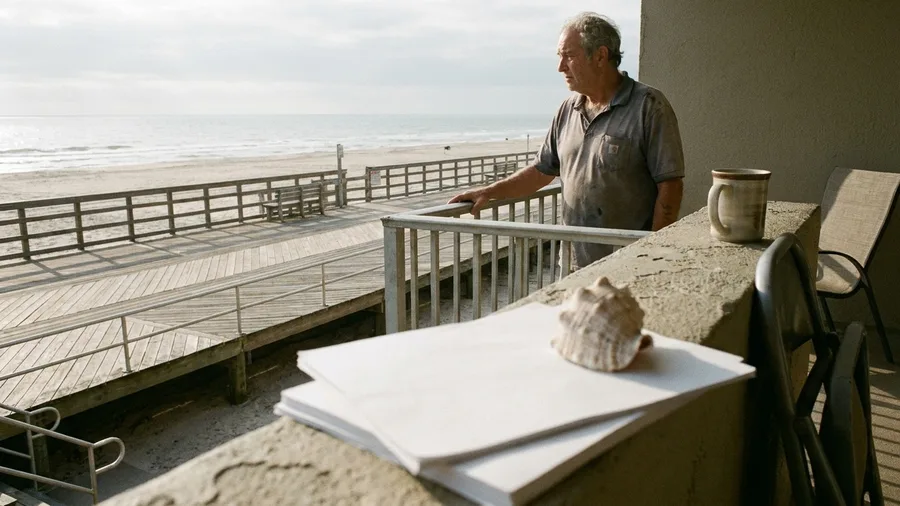
The belief is that the mortgage is the number to watch, so once the loan is paid or manageable, the place is basically free. It isn't. A $295,000 condo carrying $11,000 a year in taxes, HOA dues and upkeep costs money in February, in October and every month in between for a place used a few weeks. That is a large asset whose annual bills keep arriving while the keys sit in the drawer.
Over seven years, $77,000 has come out that door before anyone counts what the place returns on sale. A sale at $310,000 with $14,000 in selling costs shows the same thing: the visible number was never the whole number.
The counter is not 'never buy.' The counter is that a place works when it is within a two-hour drive, so it gets used on ordinary weekends, not just vacations, and rents out 12-plus weeks a season. Then the calendar has the days to justify the bills. Call the rental agent on the same unit for the same weeks you would use it, and put that quote next to your annual keep plus selling costs divided by nights actually used. Two numbers, one decision.
The mortgage is the smallest bill. The taxes, HOA and upkeep are the ones that outlast the week.
If the place can't clear that rent-vs-own number, the same weeks in a rental are the better buy every time.
⚠️ COMMON MISTAKE
The mistake is buying for the retirement you wish you had
Most of the regret on this list comes from buying for the version of retirement with more free weekends and more energy than the calendar actually holds. Count the days you really used something last year before you sign for another year of it.
6. The Remodel You Undo at Resale

There is a house asset with an exit cost too, but here the regret turns on timing. You might see the kitchen as tired and think a remodel is the obvious move before you sell.
A $78,000 kitchen returns roughly $50,000 at resale if the house sells within two years – a $28,000 gap. You are spending for a buyer's taste, not your own.
The clock is what makes that gap expensive. The same kitchen is a good buy if you stay five years or more, because the daily use spreads over more years and the cost per year of living with it drops. If you are selling soon, spend on paint, hardware and lighting instead.
7. The Reward Car Loses $30,000 First

A new $68,000 sedan is worth about $38,000 after three years, so $30,000 buys the first 30,000 miles. That drop is steepest right at the start, the same way the loss on a remodel depends on how soon the house sells and the loss on a car depends on how soon it trades. Reward yourself with a two-year-old version of the same model instead, and let someone else take that first $30,000 hit.
Nothing about that smaller buy changes how the car drives or how it feels on a Sunday morning. It only changes who eats the steepest years, and it is not you. If a reward car is the last car you buy and you keep it ten years, buying new can still make sense; the test is annual depreciation plus carrying cost divided by miles actually driven. Retirement miles are the lowest of your life, usually 6,000 to 8,000 a year rather than 15,000, which spreads the same drop over fewer drives.
The regret bites hardest when the new car replaces a paid-off one that was still running. Keeping that older car another year at $0 a month costs you nothing but pride.
Buy it or rent it? The two-column test
Buy it
- You will use it 30 or more days a year.
- You live within easy reach of where it lives.
- You can afford the yearly keep without touching savings.
- You will keep it long enough to spread the depreciation.
Rent it
- Last year you used it two weekends.
- Storage or slip fees are a stretch in the budget.
- The resale value falls faster than you expect.
- You are buying for the retirement you wish you had.
The quiet monthly drains
Some of the worst retirement spending does not look like spending at all. It is a monthly charge, a loan without terms, a membership that renews, a storage unit you forget about. The amount is small enough to ignore, which is exactly why it keeps going.
These are the purchases that sting quietly. They are also the easiest to fix once you name them, because the decision is simple even when the emotion around it is not.
8. The Family Loan With No Paper Trail
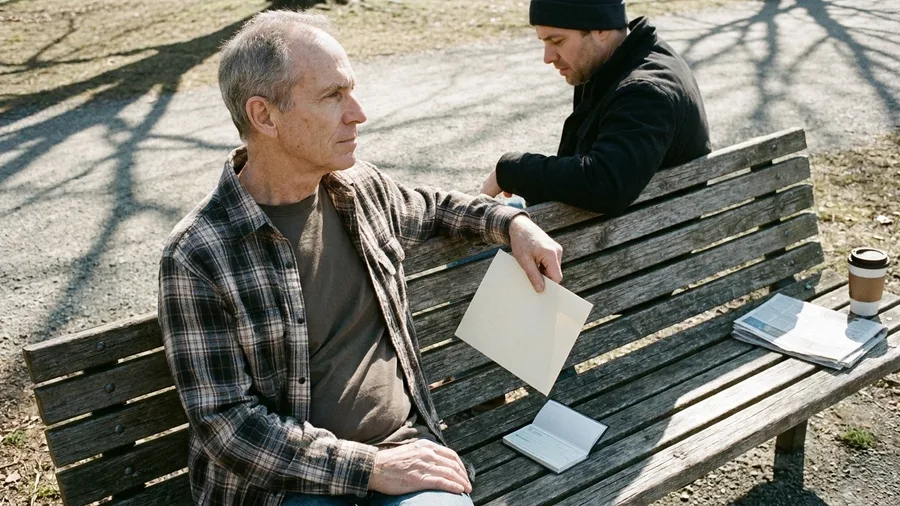
Twenty-five thousand dollars advanced to an adult child with no schedule attached; four years later, six thousand has come back. A purchase can be priced by the mile, the year or the night. A loan with no terms becomes a balance that sits in the room and a monthly reminder you both feel at the dinner table.
The regret is rarely about the dollars. It is the silence, or the awkward call, or the way nobody mentions the rest of it.
The fix is not harsh terms. Choose one of two shapes and put it in writing. Either call it a gift and stop expecting repayment, or write a one-page schedule with a start date, a monthly amount and a finish line.
Set up the transfer to run by itself on the first of the month. Automation takes the reminder off your plate and the judgment out of the room; the schedule does the talking; whatever is not covered by the schedule does not need to be a monthly conversation.
Work out the terms with a tax preparer using the IRS rules on family loans and gifts, so neither of you guesses a rate. The test is simple: a defined annual repayment plan versus an ambiguous balance that hangs around.
The Family Loan at a Glance
💵 Amount advanced
$25,000
📆 Repaid so far
$6,000 over four years
📄 Paperwork
None
🧾 What to do
Call it a gift or write a schedule
The clean version
A defined start date and a monthly amount turn a source of dinner-table tension into a normal family arrangement.
9. Club Dues Outlast the Friends

You do not have to decide between a country club and nothing. The fear is that saying no locks the door, or that scaling back is admitting retirement has shrunk. Test the habit smaller and you lose nothing worth keeping.
Here is the honest weight of the full version. Twelve thousand to join, then six hundred fifty a month, which is seven thousand eight hundred a year before you have eaten a single meal.
That initiation is not an investment. Walk away and it stays behind; there is no resale market for it. So the question is what you actually use, and a smaller trial answers it: a season pass or a public-course membership, held for one year, before any capital is sunk into initiation.
Give the season pass a full calendar year, including the cold months when the social calendar thins and the rounds get shorter. That year shows you your real visits and meals, not the ones you pictured.
Plain card play three times a week plus dinner and the pool, twelve months a year, is a membership that earns its fee. Play twice a season and use none of the rest, and you are paying a standing charge for a life you stopped living.
Treat one year of the season pass as a full version of the experiment. No shortcut. The same months, the same rainy Tuesdays, the same winter evenings when the clubhouse is quiet and the fee still posts.
Divide the seven thousand eight hundred a year by the visits and meals you actually make. This is the same test all along: annual cost to keep divided by days used.
If the smaller version keeps getting used, buy the initiation with evidence behind it. If it goes quiet by August, you learned that for the price of one pass. Scaling this back costs you a year of cachet. It never costs you the habit itself.
💡 Tip: Ask whether the club offers a one-year social membership before you pay the full initiation. Many do.
10. Paying Rent on Things Worth Nothing

$220 a month is $2,640 a year, and five years of it is $13,200 spent holding furniture that is typically worth under $3,000 by the time the fifth cheque clears. A club fee at least buys you the rounds and the pool while you use them. The storage unit buys nothing but a delay on a decision.
pick one weekend, empty the unit onto a driveway or into a borrowed garage, and sort into three piles – keep, sell, let go. Photograph the keep pile. Write down what each kept item would cost to replace new, total it, and set that number beside $2,640. If the keep pile totals $1,400 and the rent is $2,640 a year, the unit is charging you nearly twice what the contents are worth to replace.
Set the deadline in the same sitting. Thirty days out is enough for a sorting weekend, a few listings and a donation run; sixty if the unit is across town. Whatever has not sold by that date gets donated, and the unit is handed back – the rent stops, and the value that was locked in the unit comes back as $220 a month you keep.
The trap is that writing the cheque is easier than deciding, and a renewal notice asks for neither. So the decision is the only thing that ends this. A $2,640 a year bill against under $3,000 of stored value is the quietest drain on the whole list, because nothing about it looks like a purchase and the contents never argue back.
Frequently Asked Questions
Why do retirees regret buying a timeshare more than almost anything else?
Because the annual maintenance fee keeps coming whether you use the week or not, and there is usually no way to cancel it. The resale value is often zero to a few thousand dollars, so the loss is locked in on day one. The trip ends; the bill does not.
Is a boat really as expensive as everyone says?
It is not the purchase price that hurts; it is the slip, winter storage, and annual service that run every year. A $48,000 bowrider with $4,800 in yearly slip and storage plus $1,200 in service works out to about $27,000 after four years, and the cost per outing climbs fast if you only use it a few weekends.
Should we buy an RV for retirement travel or rent one?
Rent first unless you plan to be on the road for months at a time. A $135,000 Class C loses roughly 40% of its value in three to four years, and storage and insurance cost around $4,800 a year. Renting the same model for a two-week trip gives you a real number to compare.
Is a second home worth it, or should we just rent?
It can be worth it if the place is within a two-hour drive and you rent it out 12 or more weeks a season. Otherwise, add up the taxes, HOA, and upkeep — $11,000 a year on a $295,000 condo — and compare that with renting the same unit for the same weeks.
Should I remodel the kitchen before I sell?
If you are selling within two years, do not do a full remodel. A $78,000 kitchen returns about $50,000 at resale, leaving $28,000 that does not come back. Paint, hardware, and lighting are the better pre-sale spend. If you are staying five years or more, build the kitchen you want.
How do we help the kids without ending up resenting it?
Call it a gift or write a schedule with a start date and a monthly amount. The half-way version, where nobody says what it is, is what causes the tension. For specific terms, check the IRS rules on family loans and gifts or ask a tax preparer.
Run the days-used math before you sign anything
Rank by that division and the list becomes a warning order, not a ban. The boat, the RV and the second home are rent-first – take the same weeks, in the same season, before any money moves. The kitchen reno is the one to buy outright, if you are staying five years or more and it suits your taste.
The purchase that stings is the one still sending a bill after the use has stopped. Put the timeshare bill against the days you actually go. Rent the experience first, then buy only what the calendar proves – including that quiet $1,150 a year, still arriving long after the week goes unused.
Do the math before the next big buy
Pick the one purchase you are closest to making and write down its yearly keep cost and the days you used it last year. That single number tells you more than any brochure.