
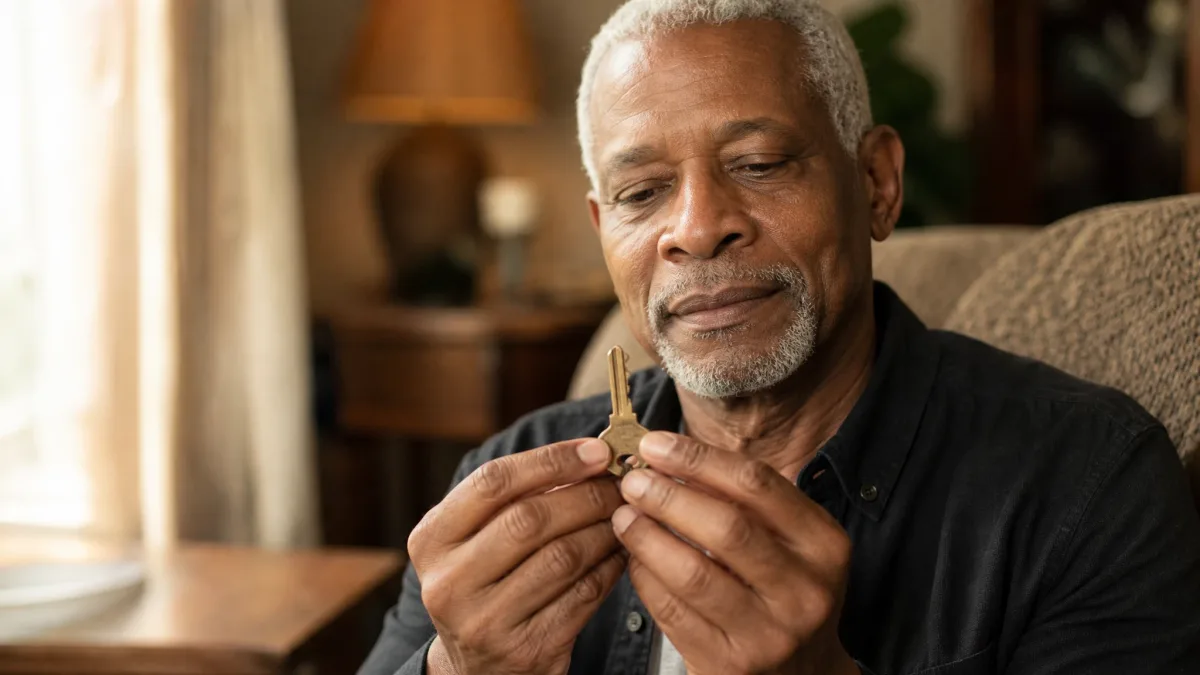
Men over 60 often quietly reduce their social circles because the financial landscape of later life fundamentally reshapes how they allocate their most finite resources: time, energy, and money. This isn't usually a sign of indifference, but a deep, often unspoken, realignment.
You might observe a quiet withdrawal or fewer returned calls, and it can feel puzzling or even hurtful. But beneath the surface, many are grappling with profound shifts in identity, managing cumulative losses, and facing new health and financial realities that demand a recalculation of their social engagement.
These choices, while sometimes appearing abrupt, are often a deliberate attempt to maintain independence and find peace, driven by very real psychological and practical factors tied directly to their financial well-being.
I've learned that how we manage our money directly impacts our relationships, and for those navigating retirement or fixed incomes, those intersections become sharply defined. This piece will help you understand the complex financial and emotional currents at play, allowing for greater empathy and more constructive support in these evolving connections.
Identity Shifts After Career Roles End

Retirement or a major career change often strips away a man's professional identity, which for decades was a central part of who he was. Think of the 'executive' or 'the provider' – these weren't just titles; they were roles that shaped social interactions and self-perception for thirty or forty years.
When the daily grind of work, the big projects, and the regular accomplishments suddenly disappear, it leaves a significant void. This can lead to a quiet struggle, a search for new purpose and meaning outside of what used to define them.
Who am I now?
Without a clear sense of this new identity, men may start to withdraw from broader social circles. They might feel they have less to contribute, or simply want to avoid situations that highlight this profound shift in their status.
This discomfort reduces the desire to meet new people or engage in casual social interactions that once flowed naturally from their professional networks. It's often a quiet, almost imperceptible process where those connections simply fade away, managing a new, unfamiliar personal landscape.
💡 PRO TIP
Observe, Don't Assume
When you notice an older man withdrawing, pause before assigning blame or motive. The shift is often deeper than you think, rooted in complex internal processes rather than a direct slight.
Coping With Cumulative Loss and Grief

Beyond shifts in identity, men over 60 often find themselves confronting a wave of cumulative losses, where grief becomes a central emotional landscape.
This means facing the passing of spouses, lifelong friends, or siblings – people who have been anchors for decades. Each bereavement represents not just a personal sorrow, but a profound diminution of their existing social circles and shared histories.
Fewer common connections remain.
Processing such profound grief demands immense solitude, draining both emotional and physical energy. The capacity to maintain existing social ties, let alone form new ones, is significantly reduced during this intense internal work.
External social demands can feel overwhelming.
Consequently, quietly cutting off social connections becomes a manifestation of this deep processing. It's a way to create necessary space to heal without the pressure of constant interaction, allowing them to manage their internal world.
Socializing Preferences After 60
Complicated Interactions
- High energy cost
- Frequent social drama
- Feeling of obligation
- Many casual acquaintances
- Surface-level conversations
Simpler Connections
- Lower energy cost
- Focus on peace
- Genuine, deep connections
- Smaller, trusted circle
- Meaningful conversations
Health Challenges Increase Vulnerability

Underlying health challenges often play a significant role in why men over 60 quietly pull away, adding a physical layer to their internal shifts.
Chronic conditions like arthritis, heart issues, or even early cognitive changes make typical social outings incredibly taxing. What once seemed simple – a dinner party for an hour or two – now demands a huge energy investment.
Fatigue becomes a constant companion.
Managing daily medications, attending doctor appointments several times a month, or undergoing physical therapy means energy must be carefully conserved for essential daily life.
Little is left over for extensive social engagement.
This physical toll often intertwines with a profound desire to avoid vulnerability. Many men prefer not to be seen as 'weak,' frail, or a potential burden on others, especially after decades of self-sufficiency, driving them to withdraw from perceived scrutiny.
Desire for Simpler, Less Demanding Interactions

Men over 60 often develop a reduced tolerance for social drama and the extensive emotional labor complex relationships can sometimes demand. After decades of managing external expectations, from career pressures to family responsibilities, their energy for navigating social complexities often diminishes.
Emotional reserves are simply lower. They're looking for quiet.
This preference shifts towards a smaller circle of deep, uncomplicated connections, valuing genuine interaction above maintaining a broad network of acquaintances. It's a conscious choice to conserve emotional and mental resources, moving away from superficial ties that require constant effort.
Seeking peace and tranquility in later life becomes paramount. The goal isn't to be isolated, but to make social decisions based purely on personal well-being rather than a sense of obligation.
Quietly pruning their social landscape streamlines life. It directs focus toward truly resonant relationships and personal contentment, creating space where they can simply exist without external pressure or the need to "perform."
Key Financial Anxieties for Men Over 60
🏥 Healthcare Costs
Rising Concern
💰 Retirement Savings
Often Insufficient
👨👩👧👦 Supporting Family
Ongoing Need
💳 Debt Management
Avoidance Key
Main Concern
Many worry about maintaining independence while facing unforeseen expenses.
Financial Stress Drives a Need for Independence

Worries about money are a significant, often unspoken, factor influencing social choices for men over 60. Concerns about rising healthcare costs, insufficient retirement savings, or the pressure to support adult children create deep financial anxiety for many.
This creates a powerful, quiet fear.
They worry about becoming a financial burden on others. Just as commonly, they dread being asked for financial help they can't afford to give, especially if they are living on a fixed income of perhaps $2,500 to $4,000 a month.
Protecting finite personal finances is a critical priority. Every social outing, every gift, every shared meal carries a potential cost, sometimes perceived as a direct threat to their stability, like a $50 dinner out.
Quietly cutting people off can be a practical, even desperate, move. It's about managing economic vulnerability and fiercely maintaining their perceived independence, avoiding situations where money might become a point of contention or exposure.
🚧 The Process of Setting New Boundaries
Recognize the Need
Identify specific relationships or interactions that consistently drain energy or create stress.
Identify the 'Drain'
Pinpoint the exact behaviors, requests, or emotional labor that is no longer sustainable.
Communicate Clearly (Optional)
For valued relationships, a direct, calm conversation about new needs can be helpful, though not always possible.
Reinforce the Boundary
Consistently decline invitations or requests that cross the newly established limits, even if it feels uncomfortable.
Accept the Outcome
Understand that some relationships may naturally fade, and this is a consequence of prioritizing self-preservation.
Reclaiming Control and Setting Firm Boundaries
After decades spent meeting external obligations, from career demands to family responsibilities, many men over 60 actively seek to reclaim control over their lives. For 30, even 40 years, personal time and autonomy often took a backseat to others' needs.
Retirement or a significant life shift offers newfound freedom. It's a profound chance to prioritize personal well-being, time, and choices, fostering a deep desire for greater self-direction.
Control is paramount now.
Setting firm boundaries becomes an act of self-preservation. This often includes directly saying 'no' to social engagements or requests, carefully guarding their remaining energy and time for what truly matters to them.
Quietly cutting people off is a decisive way to assert this control, managing demands on their time and energy on their own terms, often avoiding the friction or guilt that can come with explicit refusals.
Most Valued Relationships and Activities
Protecting Against Past Disappointments or Betrayal

This drive for control often extends to shielding oneself from past hurts, as a man over 60 has decades of relationship dynamics to reflect upon.
Lifelong experiences inevitably accumulate moments of conflict, disappointment, or perceived betrayal, whether it was a friend who let them down years ago or a deeper personal slight. Each one leaves a mark.
The desire to avoid future emotional pain, stress, or conflict becomes a powerful motivator, driving a more selective approach to who they allow into their inner circle. Nobody wants to feel that sting again.
This can develop into a quiet 'why bother?' mentality when faced with new social opportunities or maintaining lukewarm connections. Why invest the effort when the outcome might just be another unfulfilled expectation, or worse, a repeat of a difficult situation?
Quietly cutting people off is, for many, a protective measure. It's a deliberate choice to limit exposure to individuals or situations perceived as risky, toxic, or unreliable, preserving their hard-won emotional well-being from further strain.
Misinterpreting Withdrawal – Common Errors
Shifting Priorities Towards Introspection and Core Relationships

Their priorities have fundamentally shifted. After decades of external demands and past hurts, men over 60 often view their remaining time as a finite, precious resource, leading to a deliberate re-evaluation of how every day is spent.
This shift drives a focus towards deep introspection, exploring personal growth, or cultivating long-deferred hobbies. Instead of chasing external validation, many dedicate significant time – perhaps several hours daily – to mastering a craft like woodworking, tending a garden, or documenting family history. It's about building a meaningful legacy or finding personal contentment.
As a result, investment in social circles narrows dramatically. Immediate family members and a very small group of truly close, trusted friends become the absolute priority for emotional and time capital.
Casual acquaintances or larger social networks are often quietly pruned.
This isn't coldness, but a precise allocation of limited social energy towards relationships that offer genuine reciprocal support and resonate deeply. They're seeking deeper fulfillment from fewer, richer connections, allowing them to release the pressure of maintaining a broad, often superficial, social landscape.
Frequently Asked Questions
Is cutting people off a sign of depression in older men?
While withdrawal can be a symptom of depression, it's not always the sole reason. Often, it's a combination of the factors discussed, like grief, identity shifts, or health issues. If you suspect depression, encouraging them to speak with a healthcare professional is a good step.
How can I tell if an older man is cutting me off for a specific reason, or just generally withdrawing?
Look for patterns. If he's withdrawing from everyone, it's likely a broader shift. If he's specifically avoiding you or certain activities, there might be a more targeted reason, such as past disappointment or a boundary he's trying to set. Start by observing without judgment.
What's the best way to maintain a relationship with an older man who is withdrawing?
Focus on low-demand, meaningful interactions. Offer quiet companionship, ask about their interests, and respect their need for space. Avoid guilt-tripping or demanding more than they can give. Small, consistent efforts often mean more than grand gestures.
Are there financial reasons an older man might distance himself from family or friends?
Yes, significant financial anxiety about retirement, healthcare, or family support can lead to withdrawal. They might fear becoming a burden, or being asked for financial help they can't provide, leading them to avoid situations where such requests might arise. Respecting their need for independence is key.
Should I confront an older man who has cut me off?
Confrontation can often backfire, increasing their defensiveness or further solidifying their withdrawal. Instead, try a gentle, open approach: express that you miss them, acknowledge their need for space, and offer support without pressure. Respecting their boundaries is paramount, even if it's painful.
Understanding the Quiet Shifts of Men Over 60
The quiet shifts you observe in men over 60 are often a deeply personal, multifaceted response to the significant financial and life changes that come with age. These range from new financial constraints and a desire for independence, to navigating health challenges and the cumulative weight of life's transitions.
Rather than a personal slight, these actions reflect a re-evaluation of personal boundaries and priorities, as they seek to protect their emotional and financial reserves. Approaching these evolving relationships with open, gentle communication, and offering support that respects their need for control and peace, can make all the difference. Your empathy, and a clear understanding of the financial currents shaping their world, is a powerful bridge.
Reflect on What Matters Now
Consider your own priorities and how they align with the changing needs of the men in your life. This shift isn't a judgment, it's a realignment.