

About $300 of secondhand furniture in a spare room can bring back $700 to $900 a month. That is the number that reframes this whole question.
The working belief is that retirement income is fixed, and that earning more means a job with a schedule, a boss, and money at risk. The turn is simpler: the cheapest earnings sit in things already owned and already paid for. That same $300 of furniture returns $700 to $900 a month, and $0 to $150 of signage turns an empty driveway into $75 to $150 a month per space.
What follows is twelve ideas, each with a startup cost, an hours-per-week ceiling, and a realistic pay range, so the choice becomes comparison rather than hope.
By the end you can rank all twelve by your own space, your own skill, and your own season, and test exactly one with a single booking, a single listing, or one market stall before spending another dollar.
Quick Tips Before You Start
Check the rules first
Before listing a room or parking space, confirm local rental and HOA rules — one phone call can save a fine.
Start with what you own
A spare room, a garden bed, or a career skill costs almost nothing to test; buy nothing until the first booking.
Cap your hours
Decide the maximum hours per week you will give one idea — 4 to 6 is plenty for a test.
Use a simple checklist
For pet or house-sitting, write down feeding, medication, thermostat, and emergency contacts before the first visit.
Set a review date
Put a note on the calendar 30 days out to check whether the income is worth the time it took.
1. Spare-Room Rental for Travel Nurses
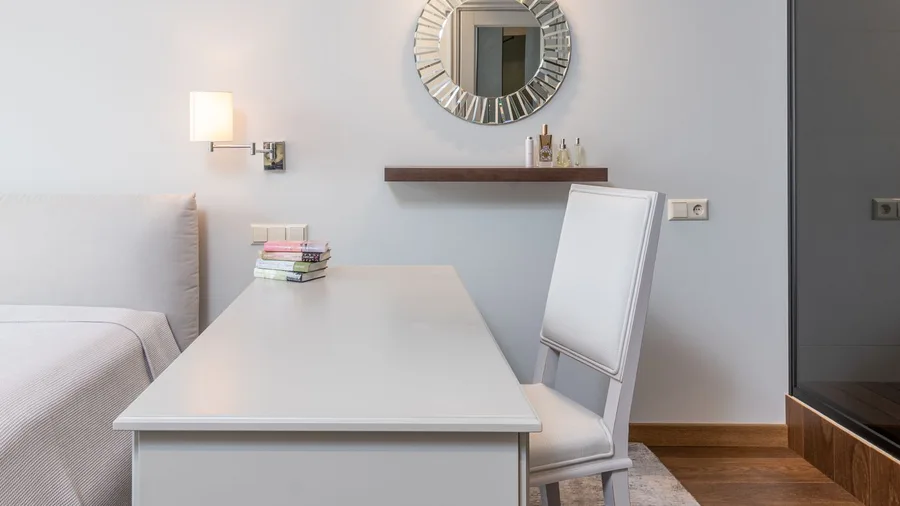
A furnished private room and bath in your own house can rent to a travel nurse on a 30-day minimum stay, which makes the person a lodger rather than a hotel guest. Roughly $300 covers the bed, linens, a lamp, and a desk, and the first month's rent pays that back. Guests turn over in weeks, not nights, so it stays a house, not a front desk.
The structure is the whole trick: one room, one checklist, one calendar kept four to six weeks ahead. Clean and reset in 2 to 4 hours a week, screen inquiries with three questions, and hold the 30-day floor so nobody books a weekend. Pay runs $700 to $900 a month for that effort.
Check local rental and HOA rules first, and confirm a hospital within commuting distance that hires travel nurses on 13-week contracts. This suits someone who wants a few quiet guests, not nightly turnover. If it isn't for you, the $300 is the entire bet, not a lease.
💡 Tip: The first month's rent covers the $300 furnishing cost — treat it as a test before buying anything else.
💡 PRO TIP
The screen test
Before you list a room, a service, or a class, show the plan to one person whose judgment you trust. If they ask a question you cannot answer, that is the gap to fix first.
2. Vacation Pet Sitting for Neighbors

The usual belief is that pet sitting means a daily dog-walking route and a phone that never stops. It doesn't have to. Vacation visits are short, scheduled by someone else's trip, and you can take one and stop.
Rates run $25 to $40 per visit or $45 to $65 overnight, with 3 to 6 visits a week in the busy season. The test costs near zero: a written feeding and medication checklist, a spare key, the vet's number, and a photo text after each visit. Ask one neighbor about one trip first.
Even one visit a week keeps your name in circulation, and you can scale back any week the calendar gets full. Liking animals without wanting a route is reason enough.
💡 Tip: Ask the neighbor to text you a photo of the pet's food and medication labels — memory fades by day three.
| Idea | Startup cost | Time needed | Typical pay | Best for |
|---|---|---|---|---|
| Spare-room rental | ~$300 | 2–4 hrs/week | $700–$900/mo | Near a hospital |
| Pet sitting | Near $0 | 3–6 visits/week | $25–$40/visit | Animal lovers |
| Seedling sales | $60–$100 | 4–6 hrs/week | $150–$400/weekend | Gardeners |
| Craft stalls | $150–$300 | 6–8 hrs/week | $200–$500/fair | Makers with one item |
| Hobby classes | $0–$60 | 2–3 sessions/mo | $40–$75/session | Patient teachers |
| Walking tours | ~$50 | 2 tours/mo | $15/walker | Local history buffs |
| Parking space | $0–$150 | 1–2 hrs/mo | $75–$150/mo | Near venues |
| Vintage reselling | $100–$250 | 5–8 hrs/week | $200–$600/mo | Treasure hunters |
| Portraits | $0–$200 | 2–4 sessions/mo | $150–$250/session | Hobby photographers |
| Garden consults | ~$50 | 2–4 visits/mo | $75–$125/visit | Local plant experts |
| Online tutoring | $0–$50 | 2–4 hrs/week | $40–$60/hr | Career explainers |
| House-sitting | Near $0 | 2–5 nights/mo | $30–$50/night | Neighbors of snowbirds |
3. Garden Seedling Sales at Spring Markets
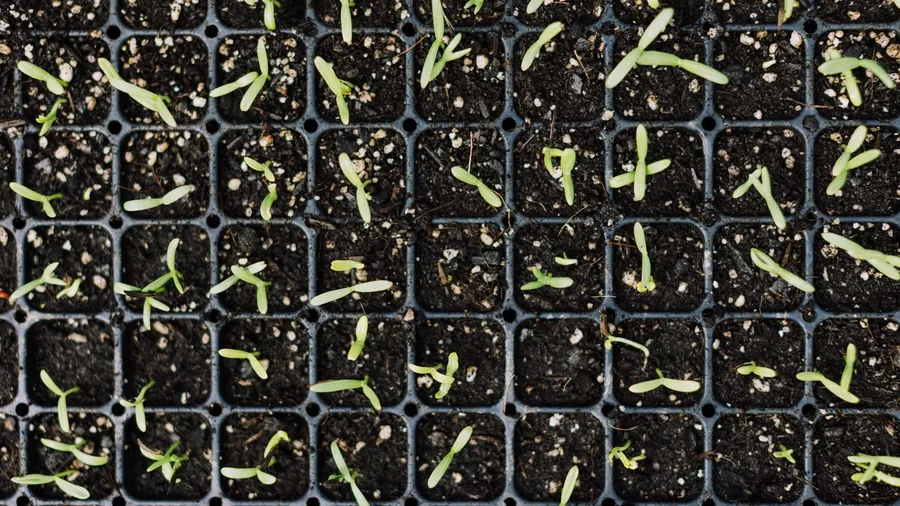
A tray of seedlings turns something you tend every spring into a product sold by the pot.
I potted up about ninety starts one year, mostly a cherry tomato that had never failed me and a flat of basil, and took them to a single Saturday market.
The framing cost me $80 in trays, seed-starting soil, and seeds. Priced at $4 a pot against a $3 packet of thirty seeds, the table cleared $340 by noon. That is the whole math of it.
The weekly work is 4 to 6 hours in season, sowing, potting up, watering, and labeling, which is close to what a garden already asks. A spring market weekend can bring $150 to $400 for 50 to 100 starts.
Start with varieties you have grown before. A proven cherry tomato, basil, and marigolds already perform in your light and soil, so there is nothing new to learn under deadline.
You need a garden, a windowsill or cold frame, and patience for a spring clock that does not move. One market weekend is the entire test.
What I got wrong: I started seeds too late and sold leggy plants. Now the trays go in six weeks before the last frost, and the starts are stocky at the table.
One spring, three ways to sell plants
Same 50–100 starts, same 4–6 hours a week
4. Handmade Craft Stalls at Weekend Fairs

Price one item the same at every fair and review three numbers after each weekend: what the booth cost, how many pieces sold, and how many hours the batch took from first stitch to pack-up. A $150 booth plus $150 of materials means the day needs to clear $300 before it pays for itself, which is why the $200-$500 range is a target, not a floor.
Watch the sell-through first. If thirty hats go out and nine come home, the table found its item, and the next batch can run a little larger at the same price. If twenty-two come home, the fair was wrong for the work, not the work wrong for the fair.
Then count the evenings at the workbench. Six to eight hours a week of making is the plan; fourteen is the warning light. The moment a buyer asks for a size you do not stock, or a color you have to order in, you are taking orders now – and that is where the fun drains out of a hobby that was supposed to stay a weekend stall.
Keep one written note per fair: date, booth fee, units sold, hours. Three fairs in, the pattern is plain enough to decide whether to book the fall circuit or sell down the leftover batch and call it a good season. Either answer is a real one.
💡 Tip: Keep a small notebook of what sold and what did not at each fair — three fairs in, you will know your one best item.
5. Hobby Classes at the Community Center
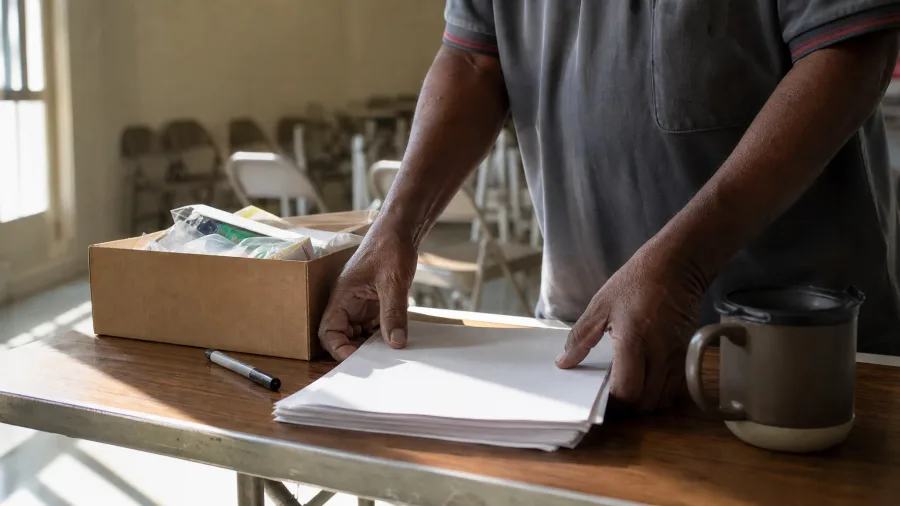
$75 for 90 minutes is what the better end of a single session pays, and it holds for the fewest hours of anything on this path. One belief stops most people from ever testing it: that you need to be an expert. Teaching bridge to a group that plays bridge already is hard. Teaching bridge to people who have never held a hand is a lesson plan anyone who plays can write.
The math stays small. Two or three sessions a month at $40 to $75 each covers space and handouts, which run $0 to $60 when you use a community-center room and teach from printed sheets rather than bought kits. You're not selling an object the way a market stall does. You're selling the skill itself at a fixed fee, with no inventory to carry home.
One session is the whole test. Offer a single demo, then ask the people in the chairs what they'd pay for a series. The room answers before any flyer is printed, and a gentle yes from ten people is more than a flyer ever gets you.
The fit is a beginner-level skill, a lot of patience, and the willingness to stand up front. It is the least paid per hour of nothing on the list and the most exposed you'll feel.
Hobby class — the numbers behind one session
⏰ Session length
90 minutes
💵 Pay per session
$40–$75
📅 Sessions per month
2–3
🏠 Room and materials
$0–$60
🧑🤝🧑 Class size
6–12 adults
What to bring
One printed handout and a sign-up sheet — the handout is your curriculum and your marketing.
6. Local History Walking Tours

Don't worry about the permit yet. The city-rules question feels like the reason to wait, and it is answerable: one call to city hall, one question about gathering a group on a public street and where along the route a guide may stop. Do that before the first advertised date.
Start with the smallest version that still counts. One walk with two friends costs nothing and proves the route can be walked comfortably twice in a day. Then about $50 on printing and flyers gets you in front of a group. A $15 ticket with 8 to 15 walkers comes to roughly $120 to $225 a session, twice a month.
You already hold the stories. The old depot, the 1920s theater, the flood marker: 8 to 10 stops is a 60 to 90 minute walk. It's seasonal work, summer evenings and fall weekends, and it asks you to stand in front of people the way a class does. Small start, real money, no storage.
Two ways to start a walking tour
Do: test with one free walk
- Invite 6–8 friends on a Saturday morning
- Time the route and note where people slow down
- Ask what they would have paid
- Fix the script before printing flyers
Don't: print 500 flyers first
- Spend $200 on printing before a single walk
- Advertise a route you have not timed
- Skip the city rules check
- Assume tourists will find you
7. Parking-Space Rental Near Event Venues
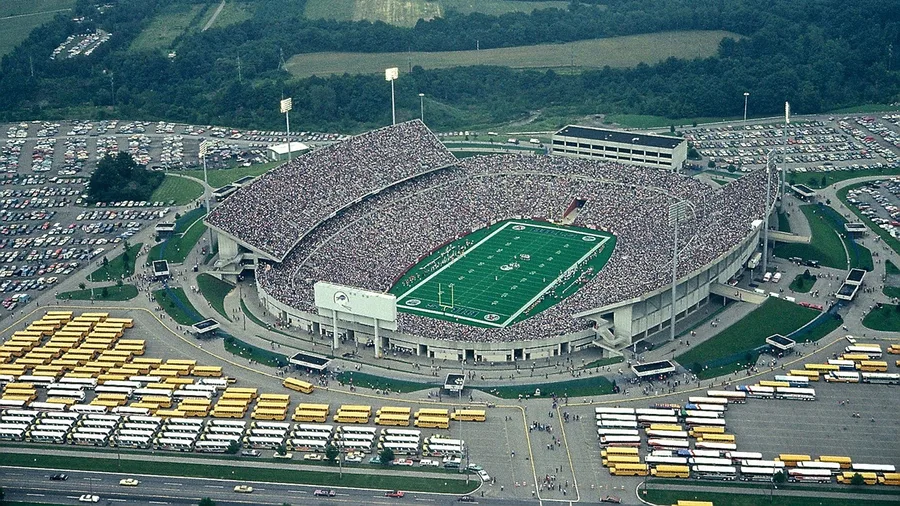
An empty driveway can look like a chore waiting to happen, but there is a version of this that asks almost nothing of you. Driving home from a ballgame, you have seen the signs on lawns near the stadium: five dollars, cash, pull in. That is the whole operation. No tent to sit in, no script to learn, no audience to face. And if you fear a neighbor knocking about rules or a city inspector showing up, that fear is the first thing to settle. Check the rules before the first sign goes out.
Signage is the entire bet, and a staked sign with your address and a rate runs from nothing if you already own a sheet of plywood up to about $150 for a professional print. One space can bring $75 to $150 in a month, though it comes in bursts: a handful of event nights, a few cars each. The rest of the time the driveway is simply yours. Call the admin two hours a month of fielding texts and moving a car.
Some neighborhoods forbid renting driveways outright, and a homeowners association can fine you faster than any game-day traffic will pay you back.
⚠️ COMMON MISTAKE
The rules check you skip
Renting a room, a driveway, or a booth without checking local rules is the one mistake that can cost more than the income. One phone call to your city or HOA before the first listing is the whole fix.
8. Vintage-Find Reselling Online
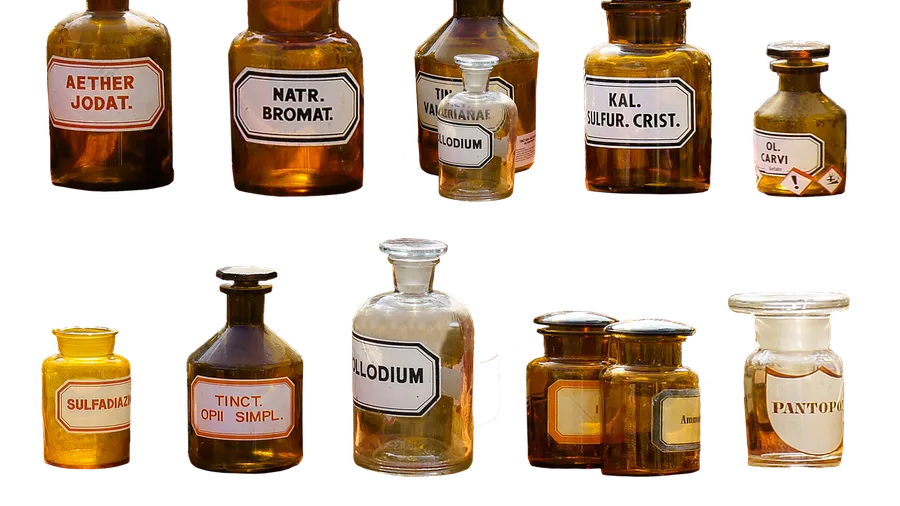
I watched a woman at an estate sale on a Saturday morning pay $8 for a box of dusty drinking glasses, and by the next weekend she had listed four of them for more than she paid for the lot. She had bought the rest of the box too.
That is the usual way it goes wrong, and nobody should feel bad about it. You see a bargain, it is cheap, you buy the whole box. Then you are home with thirty miscellaneous pieces, photographing each one from every angle, measuring, packing, and answering the same questions 30 times.
The fix is simpler than it sounds: pick one category first. Mid-century kitchenware or costume jewelry, not both. Then buy only what you would display in your own home. That rule is the whole lesson, because if it does not earn a spot on your shelf, it will not earn one on a listing either.
The numbers are modest but real. Starting inventory runs about $100 to $250, and the profit can land between $200 and $600 a month at five to eight hours a week. The math only holds while the category stays narrow. Thirty small items sell cleanly; thirty unrelated ones make you an unpaid warehouse clerk.
Set up one shelf and a shipping station: a table, a stack of padded envelopes, and a lamp near the window for daylight photos. Shoot in the morning, list with the measurements written out, and ship the small pieces. That routine is the work, and it is short once the habit is set.
💡 Tip: Before buying, check what the same item sold for on completed listings — not what someone is asking.
Where a typical reseller's hours go
Our own estimate from the 5-8 hour weekly range — guidance, not a survey
9. Family Portrait Sessions on Weekends

The first worry for anyone who has taken a family photo is that they are not a real photographer. That worry does not need to stop you from offering an hour on a Saturday. A camera you already own and a park at golden hour are enough to start.
Most of what a family wants is a few good pictures on a nice afternoon, and the gear can cost nothing beyond what you already have or up to $200 for a used prime lens, a reflector, and a spare battery. A mini-session runs $150 to $250. Book two to four a month, 20-minute slots back to back at golden hour, and deliver 10 to 15 edited images.
editing is the real work. Each session takes three to five hours including the edit, so a $200 shoot pays less per hour than it looks once the photos are done. Count those hours before you quote a price.
If that still feels worth it, start with a friend's family in a nearby park. One afternoon tells you whether the editing hours sit comfortably with your week.
10. Garden Consultations for New Homeowners
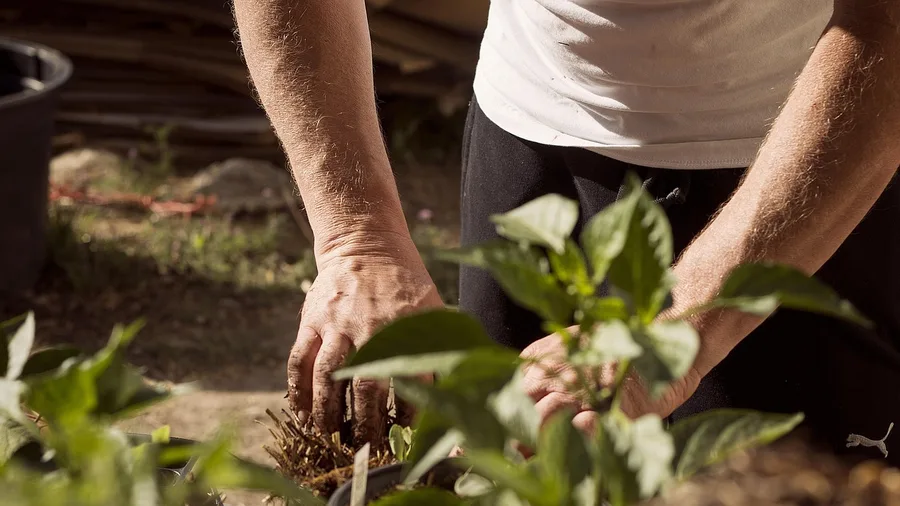
Ninety minutes, $75 to $125, and no digging. That is the whole shape of a garden consultation: walk the beds, look at the light, take photos, hand over a plan. Two to four visits a month is the ceiling, and about $50 covers a printed checklist and the basic tools you already reach for. Photography sold a finished thing made in one sitting; this sells judgment delivered on site, and there is nothing to edit afterward.
A typical first job looks like bare beds sitting on heavy clay. You answer it with one page: three shrubs that will take the soil, a groundcover to knit them together, and a spring bulb list the owner can plant in October. Advice only, no planting, no wheelbarrow, which is exactly why this pays more per hour than any yard work and asks the least of your back.
Know the local plants and want to talk about them rather than dig? Test it with one visit, priced low, and let the plan speak. That single appointment tells you whether the phone calls follow; if they don't, you are out an afternoon and $50.
11. Online Tutoring in Your Old Career

Set up one subject, one screen, and one weekly slot before you advertise a thing. Tutoring in a former career pays $40 to $60 an hour for two to four hours a week, and startup runs $0 to $50 – the lowest of anything on this list. Garden advice needs you to be known around town; a shared screen sells the same expertise to a family three towns over, or a state away.
Pick a single subject you could teach half asleep. Bookkeeping, Spanish, algebra, exam prep – the narrower the better, because a parent searching for help wants exactly that subject and nothing broader.
Two one-hour sessions a week at $50 comes to about $400 a month. That is the number to hold in your head, and it is also the reason to make the help stick: one slot repeated beats a burst of advertising you have to keep topping up.
Set the recurring slot in a calendar and let it repeat for the whole term. Have the family pay for a block of sessions up front, so the money arrives before the fourth Tuesday and you are not chasing an invoice. Prepare one shared document per student and add to it during the session, so the hour does not leak into an unpaid evening of prep.
Then leave it alone. The point of automation is that the schedule runs without you deciding each week whether you feel like it. You open the laptop at the same hour, the student shows up, the calendar tells you both where and when.
Be easy to find and careful about terms. Post a plain one-page listing in the places a parent actually looks, then check what a platform or family asks for before the first paid session – a background check, a W-9, a video platform's rules. That is a ten-minute call worth making once.
You do not need a website, a logo, or a business card. You need one subject, one repeating hour, and a payment that lands before you teach.
💡 Tip: Write three sentences describing what you teach, and keep them in a note on your phone for when someone asks.
12. House-Sitting for Snowbird Neighbors

The belief is that house-sitting means travel, strange houses, and a month on someone's sofa. Not this version. Here it is a neighbor's empty house four streets over, $30 to $50 a night for two to five nights a month, local only, with no skill to demonstrate and almost no cost to try. Where tutoring ran on a screen and a scheduled hour, this runs on a key and a list.
The deadline is the snowbird calendar: January through March, when the driveway is empty and the mail is stacking up. Two nights a month plus a midweek check at those rates comes to $60 to $100 a month. The written checklist – mail, plants, thermostat, water shutoff, emergency contacts, a photo of each room on arrival – is what earns the repeat booking next winter.
The schedule belongs to someone else, which is the trade. Start the conversation with one neighbor in December, before the flight is booked.
How to pick the one to try this month
Start with what you already have. Retirees who already made the leap share twelve blueprints for post-career income that replace the standard routine. Not with which idea pays the most on paper, and not with the one that sounds the most impressive when you say it out loud. The pays-the-most column is real, but it is the last thing to look at, not the first. Space, a garden, a career's worth of knowledge — those are the things that cost nothing to test, because you already own them.
If you have a spare room and live near a hospital, try the room. If you have a garden and a spring market within driving distance, try the seedlings. If you have a career's worth of knowledge and a laptop, try the tutoring. Same logic every time: match the idea to the thing already sitting in the house, not the thing that pays best on paper.
Then test it small. One booking. One listing. One market stall. That is the whole assignment, and it should cost almost nothing — the $300 room setup or a few dollars of seeds, not a business.
The point of the test is not the money. It is finding out whether the work feels like something you want to keep doing. A $300 room setup that brings one nurse for a 13-week assignment tells you more than a spreadsheet ever could — more about the work, the guests, the hours, the fit. One honest test beats a year of comparing twelve ideas on paper.
Frequently Asked Questions
Do I need to report this income on my taxes?
Yes, generally. Side income from renting a room, pet sitting, selling crafts, or tutoring is taxable, and the rules depend on how much you earn and how you earn it. Keep a simple record of what came in and what you spent, then ask a CPA how it applies to your situation.
How much can I realistically earn without it feeling like a job?
Most retirees starting small earn a few hundred dollars a month. A spare room brings $700–$900; tutoring two hours a week brings about $400; pet sitting is lumpy but bounded. The right number is the one you can earn while still keeping your mornings free.
What if I try one and do not like it?
You stop. That is the advantage of testing small — the cost of quitting is low if you have not bought equipment or signed a lease. Finish the current booking or session, then do not renew.
Do I need insurance for pet sitting or house-sitting?
Check your homeowner's policy and ask the neighbor what their insurer expects. Some policies cover occasional pet care for neighbors; others do not. A short conversation before the first visit prevents a bigger one later.
Which of these is the lowest-risk first try?
Online tutoring and house-sitting have the lowest startup cost — $0 to $50. But the lowest-risk choice is the one that matches what you already have: a room, a garden, a skill, or a neighbor who travels.
What One Month of Side Income Builds
Rank the twelve by what you already have. Space points to the spare room and the parking space. Skill points to the hobby class, the tutoring, the garden consultations, and the portraits. Season points to seedlings and craft stalls in spring and fair weather, walking tours in summer, house-sitting when the snowbirds fly in winter.
Then test exactly one: a single booking, a single listing, or one market stall, and let that first result decide whether to spend more.
The $300 spare room and the $50 of tour flyers both come out of things already owned and already paid for, which is where a fixed income finds room. One honest test tells you more about fit than a year of comparing twelve ideas on paper. So fetch the furniture, print the flyers, and let one real booking answer the question the list cannot.
Pick your one test this week
Choose the idea that matches what you already own, then book one session, list one room, or reserve one market table. The first booking is the whole test.